Chinook Salmon Ontario: Giant Great Lakes Kings, Staging Tributaries, and Heavy Gear
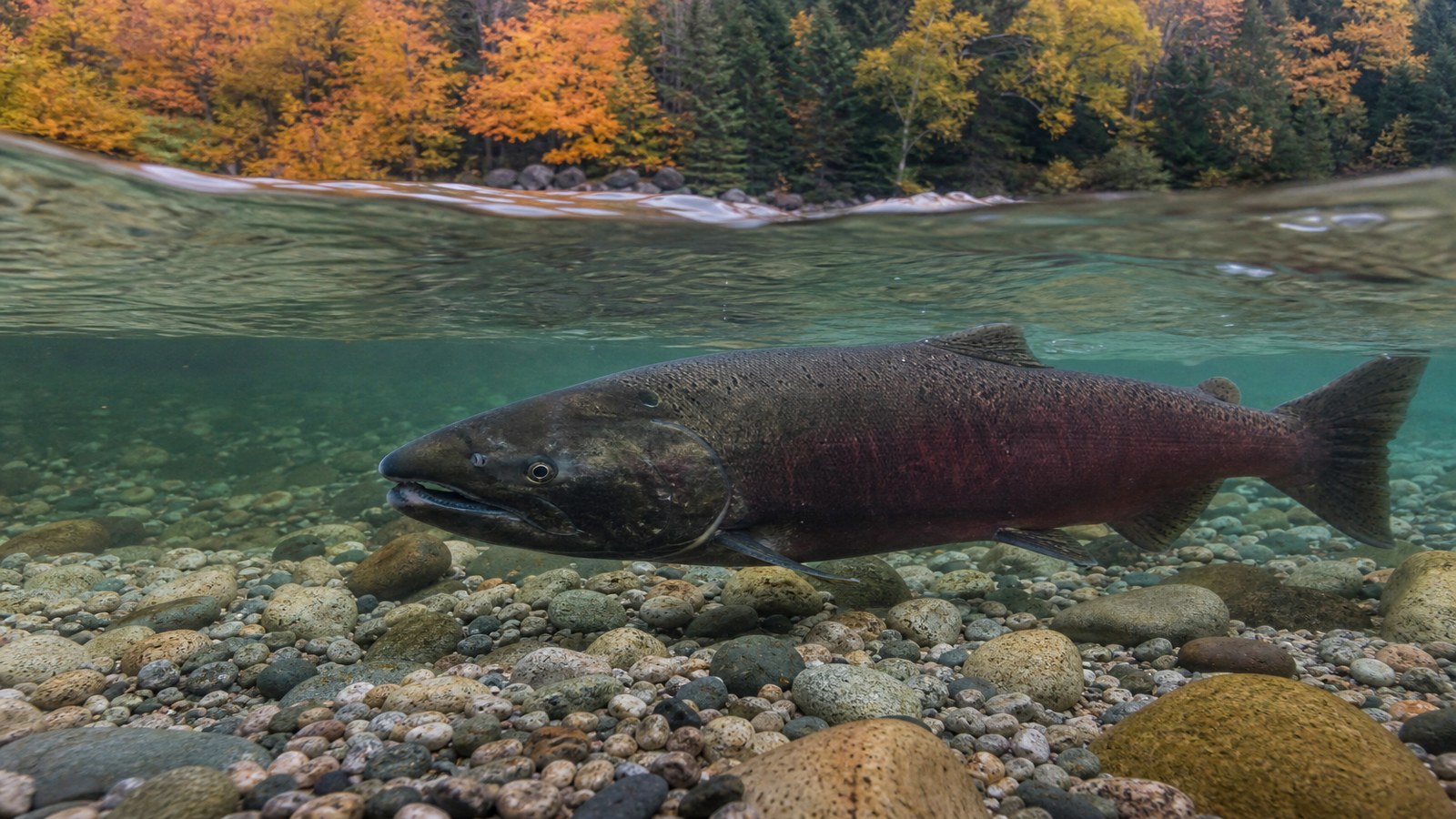
Known across the Great Lakes as king salmon, catching trophy chinook salmon ontario is one of the most thrilling sport fishing experiences available in freshwater. Introduced decades ago to manage alewife populations, Chinook salmon have flourished in Ontario's vast waterways, establishing self-sustaining runs alongside hatchery supplementation. Growing to weights exceeding 30 pounds, these powerful predators fight with blistering runs, arm-tiring headshakes, and pure bulldogging power in both open-lake expanses and winding tributary rivers.
Key Watersheds for Chinook Salmon Ontario
Anglers pursue Ontario Chinook across two distinct Great Lakes environments:
1. Lake Ontario (The Premier King Fishery)
Lake Ontario is the undisputed epicenter of Great Lakes Chinook angling. With deep, cold water and vast schools of pelagic alewives, Chinook here achieve staggering growth rates. From May through August, offshore trolling boats depart from major ports like St. Catharines, Port Credit, Whitby, Bowmanville, and Cobourg, running spreads miles offshore to intercept feeding kings along temperature breaks and thermal bars.
2. Georgian Bay and Lake Huron
Georgian Bay and northern Lake Huron support healthy populations of wild and stocked Chinook salmon. Ports such as Owen Sound, Wiarton, and Collingwood feature deep bays surrounded by limestone cliffs where kings stage outside river mouths starting in late July.
3. Major Spawning Tributaries
In autumn, Chinook push into accessible river systems across southern and central Ontario:
- The Credit River: A top destination in the western Greater Toronto Area offering miles of public wading pools in Erindale Park and Streetsville.
- The Ganaraska River (Port Hope): Legendary river run featuring the famous town fish ladder, drawing spectators and anglers to watch massive kings charge through swift urban rapids.
- The Saugeen River (Southampton): Flowing into Lake Huron, the Saugeen is famous for strong runs of wild Chinook that stage in deep river holes below the Denny's Dam.
- The Niagara River: The lower Niagara River gorge provides deep-water boat drifting and shore casting for massive kings in turbulent, emerald-green flows.
- Bowmanville and Wilmot Creeks: Concentrated eastern tributary streams providing fast river action in compact public parks.
The Two Distinct Seasons: Open-Water vs. River Runs
Targeting Chinook in Ontario requires two completely different angling strategies depending on the season:
Summer Open-Water Trolling (May to August)
During summer, Chinook roam open water, following the 48 to 54 degree Fahrenheit thermocline. Charters deploy sophisticated multi-line spreads:
- Downriggers: Cannonballs take spoons (like Silver Horde or Dreamweaver spoons) and meat rigs down to depths between 40 and 120 feet.
- Dipsy Divers and Wire Lines: Directional divers plane outward from the boat's wake, pulling 8-inch or 11-inch flashers paired with tournament-tied flies or cut-bait herring strips.
- Lead-Core and Copper Lines: Long, stealthy lines deployed from planer boards target spooky fish cruising in upper water layers on overcast mornings.
Autumn River Runs (September and October)
As summer wanes, mature three- and four-year-old kings darken in color and gather outside river estuaries before charging upstream on autumn rains:
- Float Fishing with Roe: Long 11-foot to 13-foot float rods paired with centerpin reels allow flawless, drag-free drifts of cured salmon roe skeins or scented beads through deep river pools.
- Casting Hardware: Casting heavy inline spinners (like Blue Fox Vibrax size 5) or deep-diving crankbaits (Kwikfish or Flatfish) across river tail-outs triggers aggressive territorial snaps from resting kings.
- Bottom Bouncing in Fast Currents: Using pencil lead or slinky sinkers to roll natural roe bags through boulder chutes where kings hold tight against bottom gravel.
Heavy Tackle Requirements for Great Lakes Kings
Chinook salmon will quickly destroy inadequate gear. Match your tackle to their power:
- Offshore Trolling Gear: 8-foot-6 to 9-foot-6 trolling rods paired with line-counter conventional reels spooled with 30-pound monofilament or 50-pound braid, finished with 20-pound to 30-pound fluorocarbon leaders.
- River Float Rods: Medium-heavy action rods rated for 10 to 20-pound test line, providing the backbone needed to turn a charging 25-pound salmon away from river log jams.
- Terminal Hardware: Heavy-duty ball-bearing swivels, forged Gamakatsu or Owner hooks, and abrasion-resistant fluorocarbon leaders.
- Centerpin Reels: Smooth 4.5-inch or 5-inch centerpin reels holding 250 yards of high-floating mainline for long river drifts.
Weather, Waves, and River Run Conditions
Both open-lake and river conditions dictate Chinook behavior across Ontario. On Lake Ontario, strong offshore south winds push warm surface water offshore, causing cold bottom water to well up along the north shore. This upwelling draws baitfish and feeding kings right into harbor piers and shallow shorelines. In tributary rivers, a single autumn thunderstorm can raise water levels two feet, triggering massive upstream pushes of fresh salmon overnight.
Booking a Professional Chinook Charter on Zoop Guide
Whether you want to troll the open expanse of Lake Ontario on a 35-foot tournament boat or wade pristine tributary rivers with an expert centerpin guide, booking through Zoop.guide guarantees a safe, top-quality trip. Verified captains hold commercial marine insurance, Transport Canada safety certifications, and decades of local expertise.
When you are ready to battle powerful chinook salmon ontario, discover verified charter captains and river guides on Zoop.guide. Compare transparent trip rates, inspect vessel amenities, and book your Great Lakes adventure directly on Zoop.guide.