
How to Read River Currents Like a Local Guide
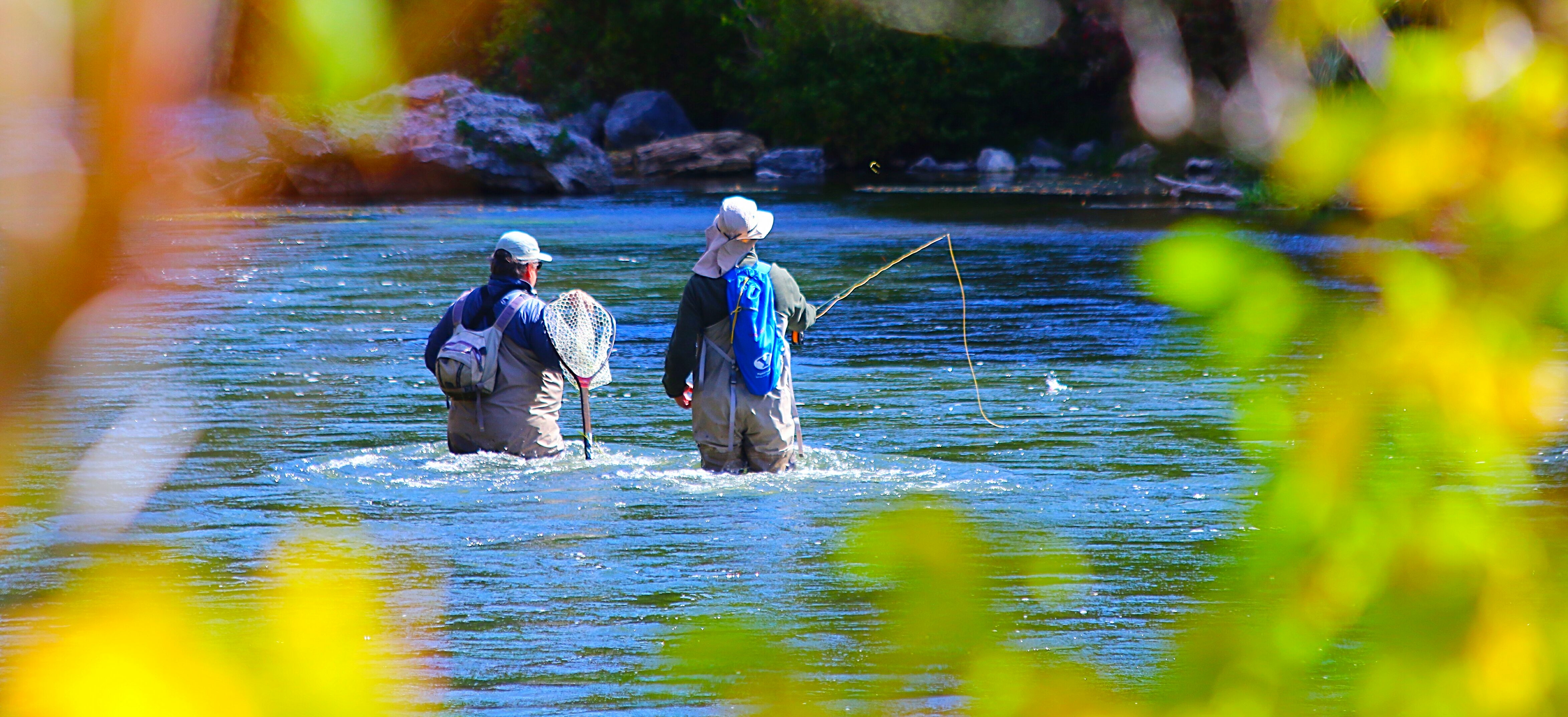
Every river is a living map, and the current is its handwriting. The guides who consistently put clients on fish are not lucky - they simply read the water before the first cast goes out. Learning to see the lines and breaks in the current is the fastest way to improve as an angler.
Start with the seam. Where two currents of different speeds meet, you will see a visible line of foam and a subtle change in surface texture. Fish hold along these seams because they get the food delivery of a faster lane without having to fight the flow. Cast next to the seam, not into it, and let your fly or lure drift along the boundary.
Eddies are the quiet pockets behind rocks, logs, and cut banks where the water spins back on itself. These spots are sheltered and full of oxygen, making them prime holding water. Cast into the soft water of the eddy and let the current move your offering naturally along the circular drift.
Gravel bars and shallow runs are where the river feeds. Insects hatch and bait collects in these sunlit zones, drawing feeding fish. Look for the break where a shallow bar drops into deeper water - the drop-off is a natural ambush point where fish wait for food carried downstream.
Finally, read the whole picture, not just one feature. The best guides scan a stretch of water for where seams, eddies, drops, and structure combine before deciding where to spend their time. With practice, this becomes instinct, and it is the difference between a good day and a great one.
Other articles
What to Bring on Your First Guided Fishing Trip
From layered clothing to the right license, a simple checklist so first-timers can show up ready and focus on the fish.
Why Booking a Verified Guide Changes Everything
Licensing, insurance, and real reviews - the difference between a good day on the water and a great one starts before you launch.