Salmon Fishing Nova Scotia: Legendary Rivers, Historic Pools, and Atlantic Salmon Fly Tactics
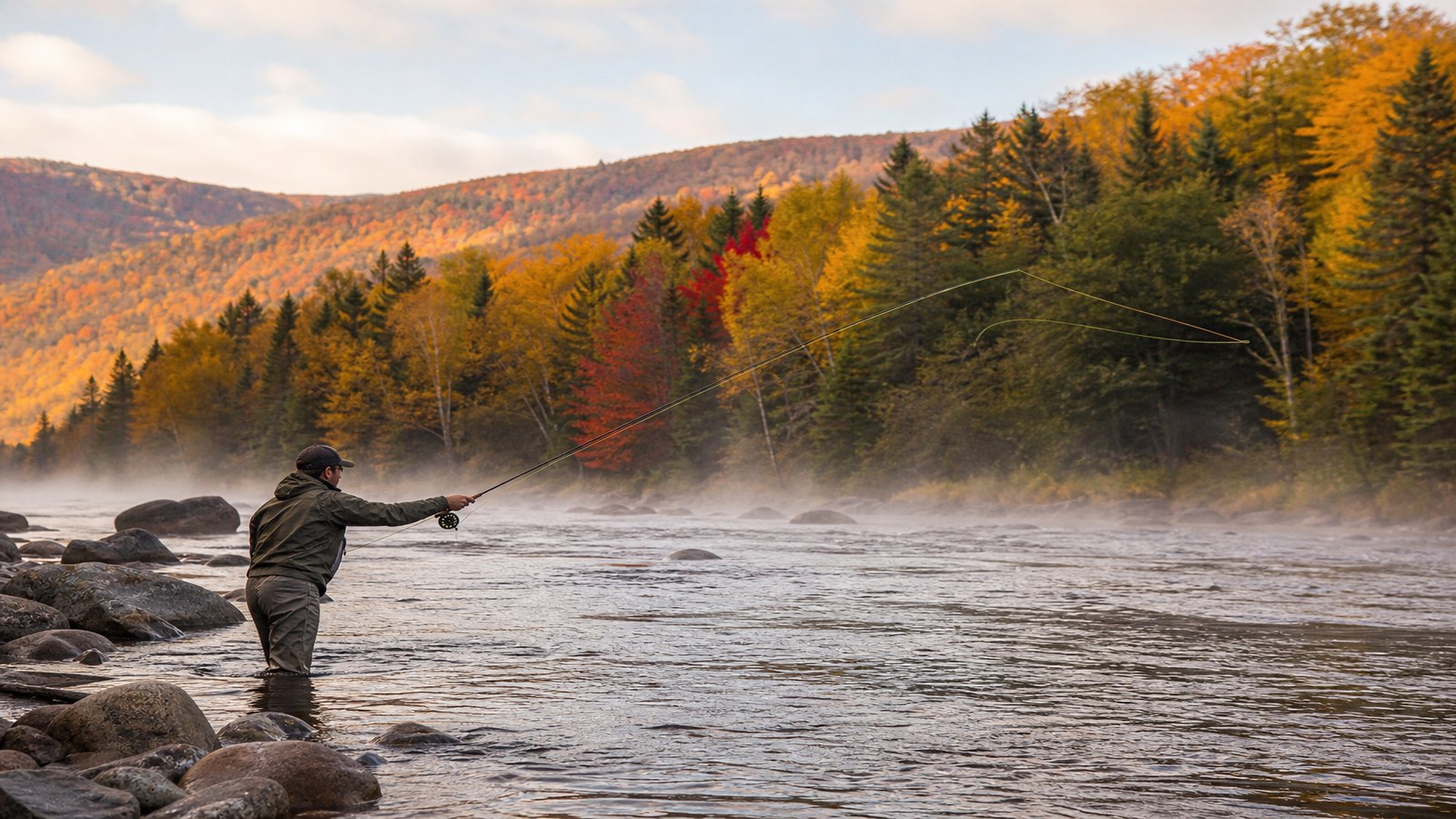
Steeped in rich angling heritage and maritime tradition, salmon fishing nova scotia holds a storied place in the world of fly fishing. Nova Scotia is world-renowned for its wild Atlantic salmon, an iconic gamefish celebrated for its graceful leaps, sustained ocean runs, and willingness to rise to a well-presented fly. Unlike Pacific salmon that perish after spawning, Atlantic salmon can return to sea and spawn multiple times, making every river-run fish a treasured natural resource that anglers pursue with reverence and strict conservation practices.
Top Destinations for Salmon Fishing Nova Scotia
No discussion of Nova Scotia salmon is complete without the legendary Margaree River on Cape Breton Island. Designated a Canadian Heritage River, the Margaree flows through the breathtaking Margaree Valley, flanked by rolling hardwood hills that turn brilliant crimson and gold each autumn. The river features crystal-clear gravel pools, gentle wading runs, and historic salmon pools that have tested anglers for over a century:
- The Forks Pool: The confluence of the Northeast and Southwest Margaree rivers, forming a massive, deep holding pool where migrating Atlantic salmon stage before dispersing upstream.
- Seal Pool and Tidal Waters: Located near the river mouth, these lower pools offer your first shot at fresh, ocean-bright salmon arriving on incoming tides.
- Thornbush and Tompkins Pools: Classic mid-river gravel runs ideal for swinging traditional wet flies and Spey casting along clear current seams.
Seasonal Timing and Atlantic Salmon Runs
Atlantic salmon enter Nova Scotia rivers in two primary seasonal windows:
Summer Run (Late June through July)
Early summer salmon arrive with summer river freshets. These fish are energetic and frequently rise to dry flies skated across calm pool surfaces on warm summer mornings and evenings.
Autumn Run (September to Late October)
Autumn brings the largest push of heavy multi-sea-winter salmon into Cape Breton rivers. Cooler water temperatures and autumn rains invigorate traveling salmon. October is the premier trophy month on the Margaree, where anglers bundle up against crisp autumn air and swing flies against a backdrop of peak fall foliage.
Classic Fly Tackle and Presentation Techniques
Nova Scotia regulations mandate fly-fishing only on scheduled salmon rivers, with strict single barbless hook rules:
1. Traditional Wet Fly Swings
Using a 9-foot to 10-foot single-hand 8-weight rod or a 12-foot to 13-foot two-handed Spey rod, anglers cast across and down the current at a 45-degree angle. Mend the floating line upstream to control fly speed, letting the fly swing slowly across the current seam on a taut line. Striking takes often occur right at the hang-down as the fly straightens below you.
2. Skating Dry Flies and Bombers
During warm summer mornings or low-water autumn spells, skating a spun deer-hair Bomber fly across the surface creates a subtle wake that can draw an explosive surface boil from a resting salmon. Watching a 15-pound silver salmon rise through ten feet of clear water to sip a dry fly is one of fly fishing's greatest thrills.
3. Classic Nova Scotia Fly Patterns
Stock your fly box with proven Maritime patterns:
- Wet Flies: Blue Charm, Black Bear Green Butt, Cosseboom, Rusty Rat, and Undertaker tied on size 4 to 8 single barbless hooks.
- Dry Flies: White, natural, and green deer-hair Bombers with orange or brown hackle.
River Reading and Pool Rotation Etiquette
Wading Atlantic salmon rivers follows a traditional pool rotation system that ensures fair access for all anglers:
- Step-and-Cast Rotation: Start at the head of a pool and make a cast, let the fly swing fully, take two steps downstream, and repeat. Never jump into a pool ahead of an angler already working their way down.
- Reading Water Flow: Atlantic salmon hold in smooth, glassy runs where currents travel at a walking pace. Look for dark bottom depressions, boulder tail-outs, and gentle current seams.
- Wading Gear and Safety: Wading Cape Breton rivers requires studded wading boots to grip slippery cobblestone riverbeds. A lightweight wading staff provides stability when crossing swift gravel channels.
Conservation Ethics and Mandatory Catch-and-Release
To safeguard wild Atlantic salmon stocks, Nova Scotia enforces mandatory catch-and-release regulations on all wild salmon rivers. Anglers must handle fish with the utmost care:
- Keep the Fish in the Water: Never lift an Atlantic salmon clear of the water for photos. Unhook the fish gently using long forceps while it rests submerged in a knotless rubber net.
- Single Barbless Hooks Only: Pinched barbs make hook removal immediate and reduce stress on returning spawners.
- Warm Water Protocols: When river water temperatures exceed 20 degrees Celsius (68 degrees Fahrenheit), angling is restricted or voluntarily paused to avoid stressing cold-water fish.
Booking a Cape Breton Guide on Zoop Guide
Reading the subtle holding lies of wild Atlantic salmon in clear river pools requires years of local river experience. Hiring an experienced Cape Breton guide through Zoop.guide connects you with passionate locals who know every rock, current seam, and pool rotation rule along the river.
When you are ready to experience traditional salmon fishing nova scotia, browse verified local fly-fishing guides on Zoop.guide. Review guide packages, read authentic customer reviews, and reserve your Nova Scotia fishing trip directly on Zoop.guide.