Deep Sea Fishing Halifax: Offshore Grounds, Target Species, and Seasons
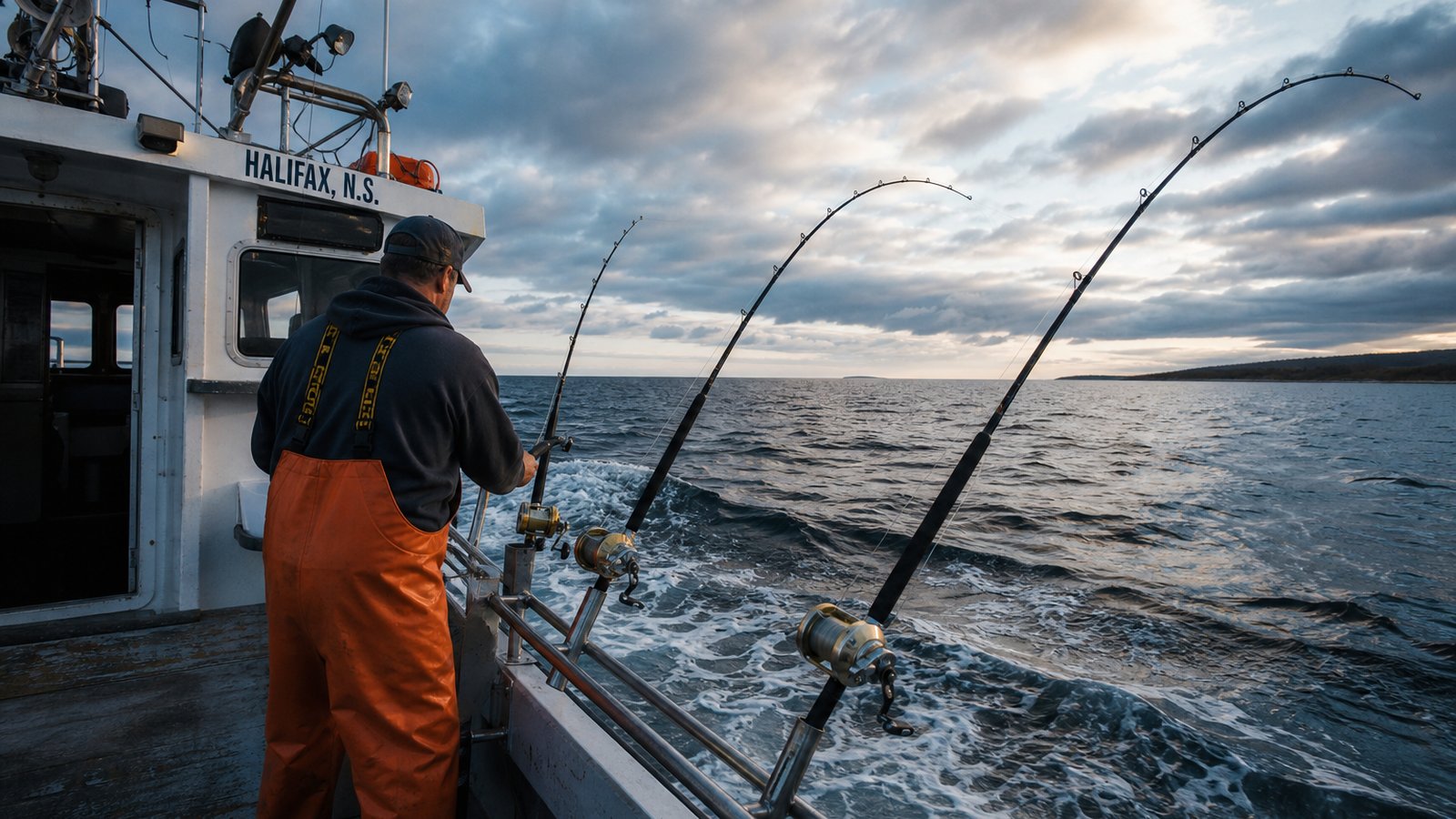
When anglers book deep sea fishing halifax charters, they enter one of the most storied maritime fisheries in the North Atlantic. Operating out of Halifax Harbour, Sambro, or Eastern Passage, offshore boats quickly access deep trenches, submerged banks, and cold ocean currents teeming with baitfish. Whether you want an action-packed half-day bottom bouncing trip with friends or an offshore expedition hunting pelagic predators, Halifax provides world-class coastal action from early summer through late autumn.
The Halifax Offshore Grounds and Underwater Structure
The geography surrounding Halifax Harbour creates exceptional habitat for marine life. As the continental shelf slopes outward, strong tidal currents sweep across underwater ledges and gravel banks, pushing nutrient-rich water toward the surface.
- Sambro Bank and Outer Ledges: Located just south of the harbour mouth, Sambro Bank is famous among local captains for consistent groundfish action. Depth contours drop from 120 feet down into deep trenches exceeding 300 feet, creating ideal holding zones for haddock, cod, and pollock. The rocky drop-offs hold schools of sand lance and herring, triggering aggressive bottom feeding.
- Halifax Harbour Approaches: Inshore reefs and islands provide sheltered water during choppy seas, offering excellent light-tackle action for Boston mackerel, cunner, and harbour pollock. Anglers often fish around McNabs Island and Devil's Island when outer banks experience high winds.
- The Outer Continental Shelf: Late in summer, offshore charters venture farther out into blue water where warm Gulf Stream eddies intersect cold Labrador currents, drawing apex predators including bluefin tuna, blue sharks, and mako sharks.
Top Species for Deep Sea Fishing Halifax Charters
Nova Scotia waters host diverse marine species. Depending on the season and distance from shore, your charter will focus on these primary gamefish:
1. Atlantic Cod and Haddock
Haddock and Atlantic cod are the culinary staples of Maritime bottom fishing. Haddock are recognized by their distinct black lateral line and dark shoulder smudge. They school tightly over gravel and shell bottoms at depths between 150 and 280 feet. High-low bottom rigs baited with cut squid or fresh herring, paired with 8 to 16 ounce bank sinkers, produce steady action. Cod strike heavy diamond jigs worked with rhythmic rod lifts just off the ocean floor. Both species offer firm, mild white fillets prized by seafood lovers.
2. Pollock (Boston Bluefish)
Atlantic pollock are fierce fighters that strike with power. Unlike bottom-hugging cod, pollock often suspend in mid-water columns around underwater peaks and wrecks. Dropping chrome Norwegian jigs or vertical butterfly jigs through schooling bait produces fast, arm-straining strikes as fish dive toward deep cover. Their speed and stamina provide an exciting fight on medium-heavy spinning or conventional gear.
3. Atlantic Bluefin Tuna
Nova Scotia is internationally renowned as the giant bluefin tuna capital of the world. While St. Margarets Bay and Northumberland Strait hold historic records, Halifax-based offshore charters intercept migrating tuna from August through October. These ocean giants can exceed 800 pounds, requiring heavy 130-pound class bent-butt rods, fighting chairs, and specialized kite-fishing or chunking techniques. Hooking an ocean giant tests angler endurance during multi-hour battles.
4. Pelagic Sharks
Blue sharks and porbeagle sharks prowl offshore waters from July through October. Charter captains set chum slicks along temperature breaks, drawing curious sharks directly behind the boat for thrilling sight-casting, catch-and-release sport, and scientific tagging programs. Sight-fishing for a nine-foot blue shark right at the transom provides unforgettable ocean excitement.
Seasonal Guide for Deep Sea Fishing Halifax Waters
Ocean fishing off Nova Scotia follows clear seasonal progressions:
- June to Early July: Early season brings schools of harbour pollock and groundfish returning to shallower banks. Surface waters remain crisp, so thermal layers are essential.
- July and August: Peak season for inshore mackerel, haddock, cod, and offshore shark trips. Ocean conditions are typically calmest, making this the prime window for family bookings and multi-generation charters.
- September and October: The trophy window for offshore bluefin tuna and heavy groundfish. Migrating schools feed heavily on mature baitfish, providing peak action for dedicated sport anglers.
Tackle, Rigs, and Techniques for North Atlantic Depths
Dropping terminal tackle into ocean depths exceeding 200 feet requires specialized equipment designed to handle heavy sinkers and powerful ocean currents:
- Braided Superlines: Monofilament stretches excessively in deep water, dampening subtle bites. High-strength braid between 50 and 80 pound test cuts through tidal currents with minimal bow, keeping your bait directly under the boat and transmitting light taps from haddock.
- Heavy Terminal Weights: Bank sinkers and torpedo weights ranging from 8 to 20 ounces are standard to hold bottom in strong Atlantic drifts.
- Circle Hooks: Captains frequently rig high-low dropper loops with 4/0 to 6/0 circle hooks. Circle hooks catch fish reliably in the corner of the jaw, minimizing gut hooks and making release smooth for non-target species.
Preparing for the North Atlantic Environment
The Atlantic Ocean off Halifax demands respect. Weather conditions shift rapidly, and sea conditions offshore can be significantly colder than the downtown waterfront:
- Layered Clothing: Even in mid-August when land temperatures reach 25°C, ocean temperatures can hover near 12°C. Wear a moisture-wicking base layer, a fleece jacket, and a windproof, waterproof outer shell.
- Footwear: Closed-toe boat shoes or deck boots with non-slip, non-marking rubber soles are mandatory on wet boat decks. Avoid leather soles or open sandals.
- Seasickness Prevention: North Atlantic ocean swells can challenge sensitive stomachs. Take motion sickness medication the night before and an hour before boarding, drink plenty of water, and stay on deck looking at the horizon.
Book Your Halifax Offshore Charter with Local Experts
Halifax features an experienced fleet of licensed charter captains who know these waters intimately. Reserving through a verified platform ensures your vessel holds proper Transport Canada safety inspection certificates, experienced deckhands, and high-end marine electronics.
When you are ready to experience deep sea fishing halifax at its best, explore the verified charter fleet on Zoop.guide. Compare trip durations, target species, and captain credentials, then book your offshore adventure directly on Zoop.guide.