Hunting and Fishing Ontario: The Ultimate Cast-and-Blast Boreal Guide
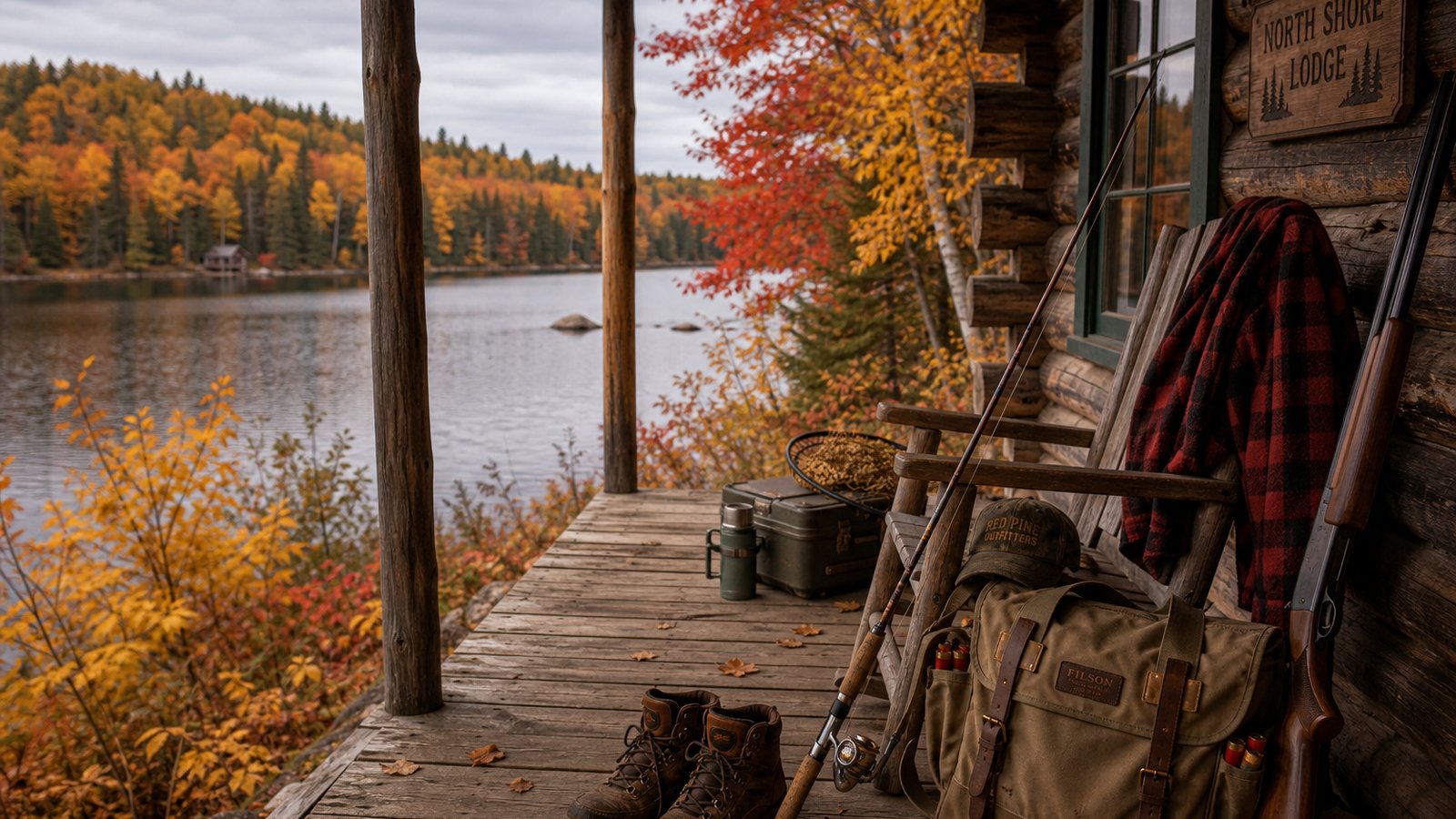
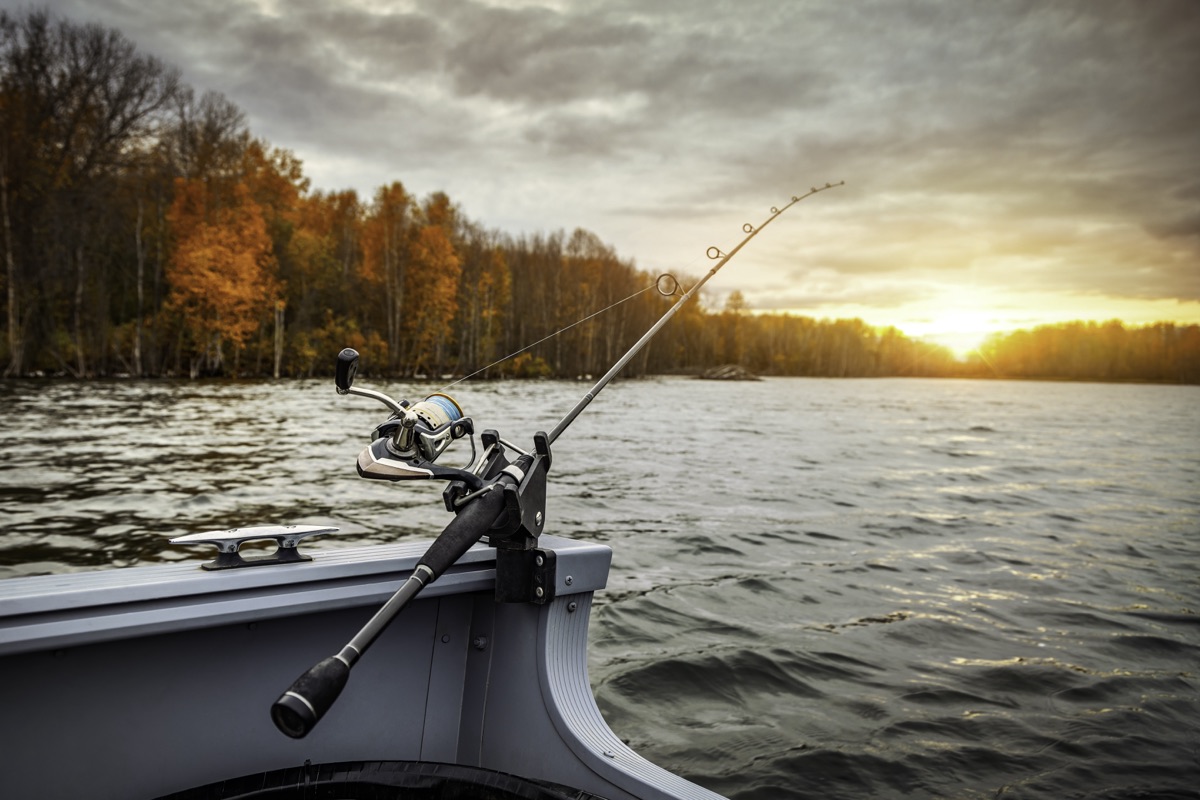
For outdoor enthusiasts who love both rod and firearm, hunting and fishing ontario during the autumn months represents the ultimate wilderness combination. As birch and maple leaves turn brilliant shades of crimson and gold, northern Ontario enters a legendary cast-and-blast season. Anglers can spend crisp October mornings walking spruce ridges for ruffed grouse or waiting in wild rice marshes for migrating mallards, then spend the afternoon trolling deep drop-offs for heavy trophy walleye and monster muskie.
The Classic Ontario Cast-and-Blast Experience
Combining small game or waterfowl hunting with autumn fishing is an established tradition across northern and central Ontario. In late September and October, several factors align to create ideal conditions:
- Aggressive Autumn Feeding: Cold water temperatures trigger fish into heavy pre-winter feeding frenzies. Walleye, muskie, and northern pike school tightly along steep structure, packing on weight before ice forms.
- Peak Small Game Activity: Ruffed grouse and spruce grouse feed along gravel logging roads and sunny clover trails to collect grit and forage for berries, offering exciting upland walking for bird hunters.
- Southern Waterfowl Migrations: Canadian Shield marshes, shallow wild rice bays, and Great Lakes coastal points fill with migrating dabbling ducks, divers, and Canada geese pushing south from James Bay and Hudson Bay.
Top Regions for Hunting and Fishing Ontario Trips
Different areas of Ontario specialize in distinct cast-and-blast combinations:
1. Northwest Ontario and Sunset Country (Kenora, Dryden, Red Lake)
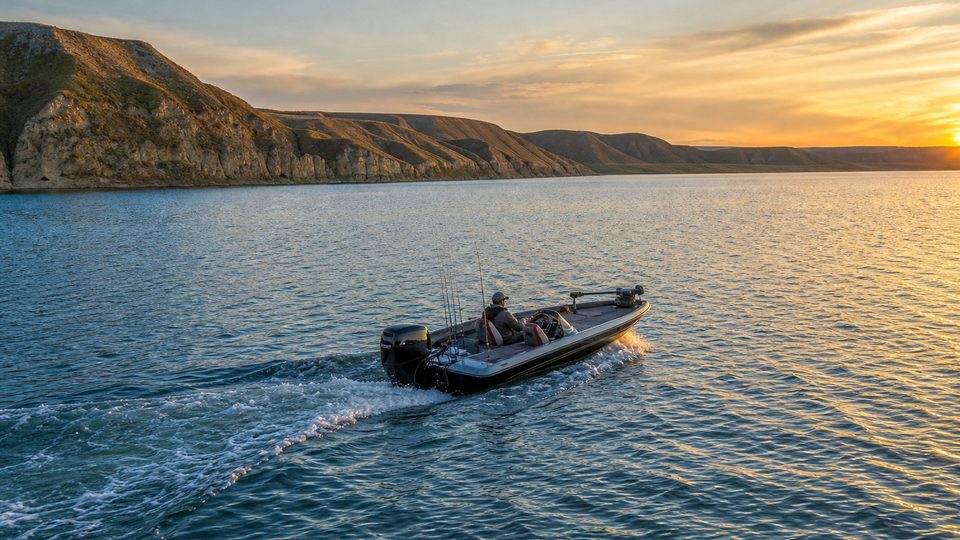
Northwest Ontario offers millions of acres of crown land accessible by logging roads, alongside legendary waters like Lake of the Woods, Lac Seul, and Eagle Lake. Hunt abundant ruffed grouse along old forestry cuts in the morning, then launch a boat to jig deep walleye humps or cast oversized bucktails for world-class fall muskie.
2. Algoma Country and the Wawa Corridor
Characterized by rugged Canadian Shield topography and vast boreal timber, Algoma provides premier upland bird hunting paired with river-run salmon and lake trout. Walk scenic old logging tracks for grouse, then drift the mouth of the Michipicoten or St. Marys river for migrating Chinook salmon and acrobatic steelhead.
3. Northeastern Ontario and the French River System
The rocky channels and extensive marshlands of the French River and Lake Nipissing create prime habitat for both waterfowl hunters and late-season trophy anglers. Set out duck decoys in wild rice bays at sunrise, then troll deep breaks for massive late-season muskie that cruise the current seams.
Tactics for Autumn Trophy Fishing
Fall angling in Ontario requires different approaches than summer fishing:
- Deep-Water Walleye Vertical Jigging: In October, walleye abandon shallow weed flats and congregate on deep humps, saddles, and neck-down current breaks in 25 to 40 feet of water. Use heavy 3/8-ounce to 1/2-ounce jigs tipped with large minnows or scented paddle-tail plastics worked slowly right off bottom.
- Big Baits for Fall Muskie: As water temperatures drop into the single digits Celsius, muskie look for large meals that reward their energy expenditure. Troll oversized 10 to 14 inch crankbaits along steep rock cliffs at 3.5 to 4.5 miles per hour, or cast heavy rubber bulldawgs with long pausing retrieves.
- Deep Weedline Pike: Mature northern pike position themselves along green cabbage weedbeds that remain alive in deeper water (12 to 18 feet). Cast heavy nickel spoons or large jerkbaits with slow, erratic twitches.
Licenses, Regulations, and Hunter Safety Requirements
Navigating Ontario's outdoor regulations requires proper documentation for both pursuits:
- Fishing Documentation: Non-resident and resident anglers must hold an Ontario Outdoors Card with a valid Sport Fishing or Conservation Fishing License tag. Follow specific slot limits and sanctuaries for your Wildlife Management Unit (WMU) and Fisheries Management Zone (FMZ).
- Hunting Documentation: Hunters require an Outdoors Card with hunting accreditation, relevant small game or big game licenses, and game seals. Non-residents must present proof of a recognized firearms hunting license from their home state or province.
- Firearms Transportation and Hunter Orange: Comply strictly with Canadian federal firearms regulations regarding safe transport, trigger locks, and declarations at border crossings. During gun seasons for big game (such as moose or deer), all hunters must wear solid hunter orange clothing (garment and hat) even when hunting small game.
Essential Autumn Field Gear for Cast and Blast
Autumn weather in northern Ontario changes from frosty mornings to rainy afternoons. Packing versatile field gear ensures comfort throughout long days in the woods and on the water:
- Layered Hunting and Rain Apparel: Wear brush-resistant upland pants or chaps for walking through thorny briars and alder thickets. Pack a quiet, breathable waterproof shell that sheds cold lake spray while running boats in late October.
- Durable Waterproof Boots: Bring supportive, waterproof upland hunting boots with aggressive traction for traversing slippery granite ridges and muddy logging roads. Keep a separate pair of deck boots for the boat.
- Shotgun and Ammunition Choices: A lightweight 12-gauge or 20-gauge shotgun with an improved cylinder or modified choke is ideal for fast-flushing woodland grouse. Use #6 or #7.5 lead shot for grouse, and non-toxic steel or bismuth shot (#2 to #4) when hunting waterfowl along wild rice bays.
Game Care and Transport Logistics for Upland Birds
Proper harvest care in the field ensures exceptional culinary quality when you return home:
- Prompt Field Dressing: Dress harvested grouse promptly to cool the meat down quickly. Remove crop contents to check what the birds are feeding on (such as clover, highbush cranberries, or birch catkins), which gives you valuable clues on where to focus your walking for the rest of the day.
- Legal Transport Requirements: Provincial wildlife regulations require hunters to leave one fully feathered wing attached to each harvested bird during transport so conservation officers can easily identify the species and sex. Pack dressed birds in zip-top bags in a cold cooler with crushed ice.
Booking a Dedicated Outfitter Lodge
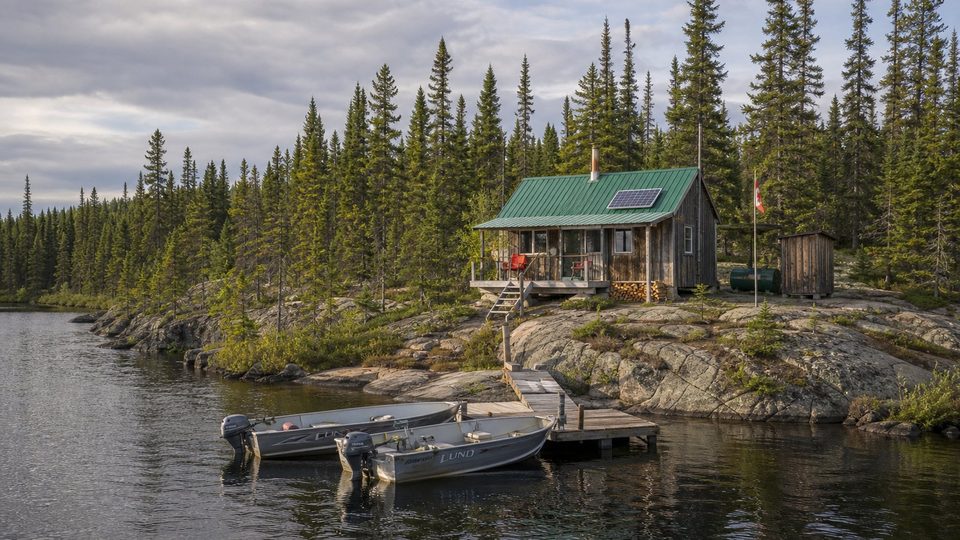
Organizing a combined hunting and fishing trip involves extensive logistics: scouting trails, trailering boats, locating bird coverts, and managing harvest care. Booking with a licensed, experienced Ontario lodge simplifies your trip. Outfitters provide heated lakeside cabins, seasoned bird dogs, local hunting knowledge, and fully rigged fishing boats.
When you are ready to book premier hunting and fishing ontario packages, visit Zoop.guide. Connect with verified northern lodges and certified local guides, compare all-inclusive packages, and reserve your autumn wilderness getaway directly on Zoop.guide.