Fishing Charters Nova Scotia: Inshore Groundfish, Tuna, and Coastal Ports
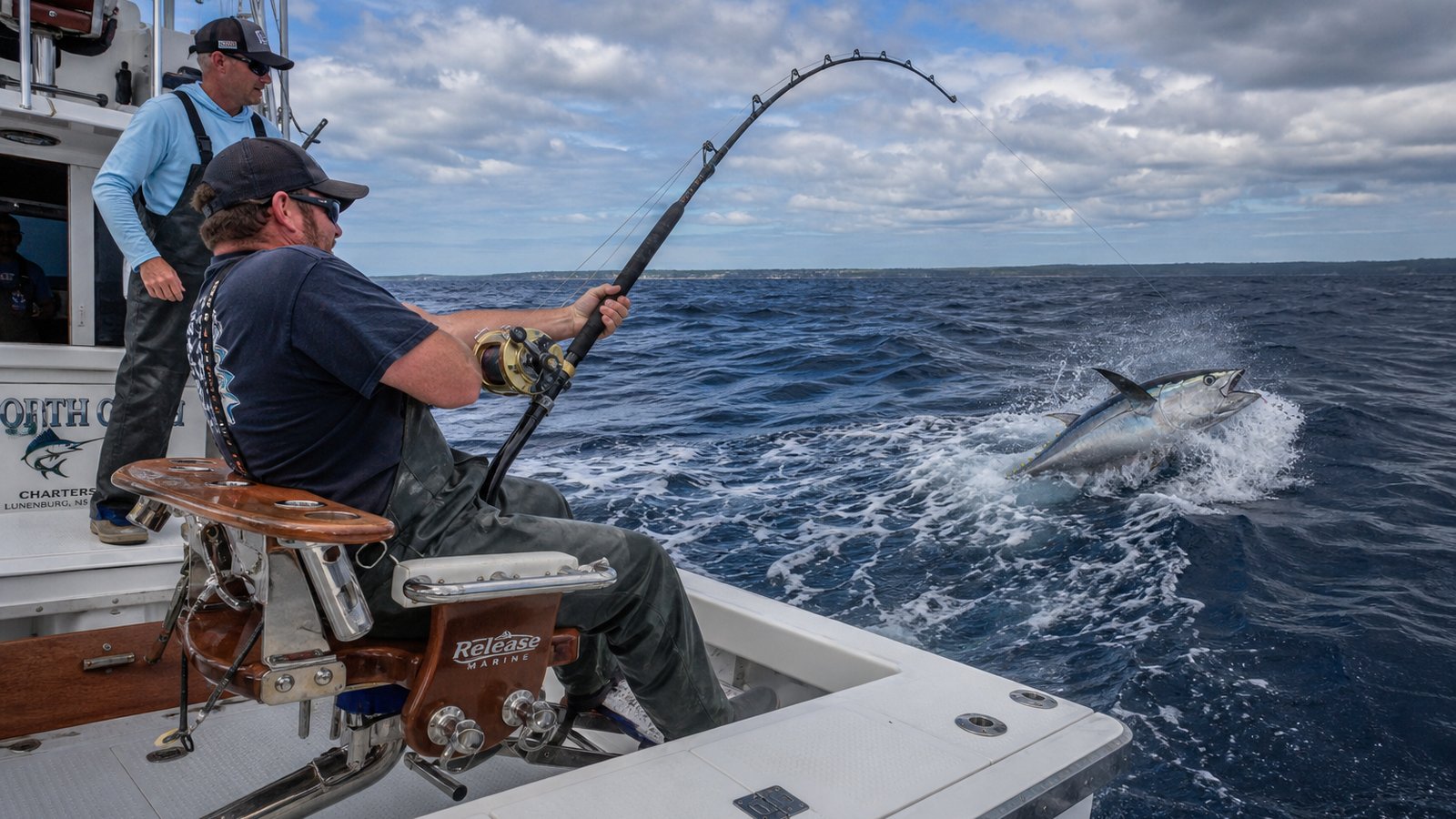
Booking fishing charters nova scotia gives anglers a front-row seat to the legendary marine bounty of Canada's ocean playground. Almost completely surrounded by the North Atlantic, the Bay of Fundy, and the Northumberland Strait, Nova Scotia boasts a maritime heritage stretching back centuries. Today, commercial-grade charter vessels take anglers out to battle world-record caliber Atlantic bluefin tuna, jig for tasty haddock and cod over rugged ledges, and sight-cast to ocean sharks along temperature breaks.
Top Regions for Fishing Charters Nova Scotia
Each stretch of Nova Scotia's coastline offers distinct marine geography, water temperatures, and target species:
1. Halifax Regional Municipality and the South Shore
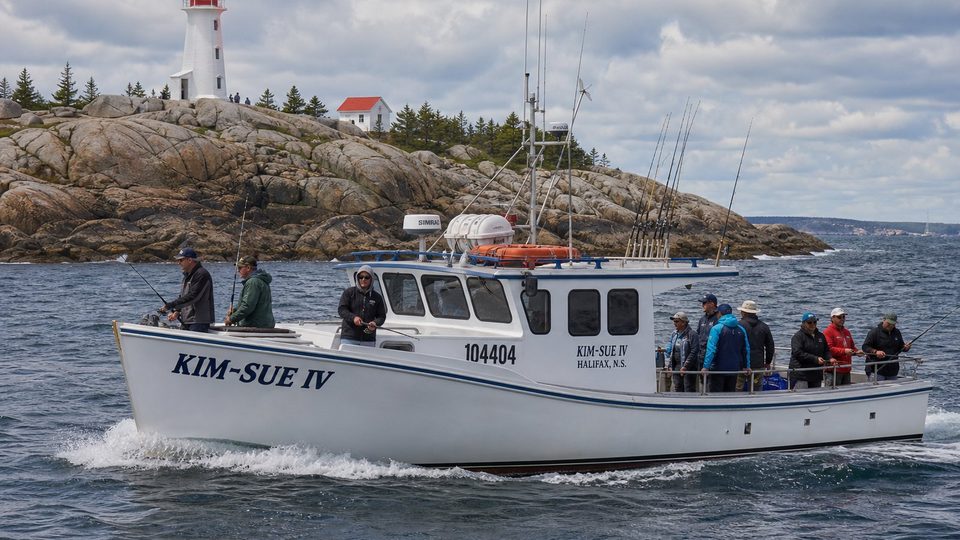
Operating from Halifax Harbour, Sambro, Lunenburg, and Mahone Bay, South Shore charters provide quick access to outer banks and submerged granite drop-offs. Anglers enjoy calm inshore harbour fishing for Boston mackerel and harbour pollock, or head offshore to Sambro Bank for haddock, Atlantic cod, and blue shark tagging. The historic ports of Lunenburg and Chester offer scenic departures surrounded by classic schooners and colourful coastal architecture.
2. The Northumberland Strait (The Tuna Capital of the World)
Between northern Nova Scotia and Prince Edward Island lies the warm, shallow Northumberland Strait. Ports like Ballantyne's Cove, Antigonish, and Pictou host elite fleets targeting giant Atlantic bluefin tuna from August through October. Giant tuna enter the strait to gorge on schools of herring and mackerel, reaching weights between 600 and over 1,000 pounds. Charters operate under strict catch-and-release scientific permits using heavy stand-up or fighting chair tackle.
3. Cape Breton Island and the Bras d'Or Lake
From the rugged cliffs of Cheticamp and Ingonish to the inland saltwater sea of the Bras d'Or Lake, Cape Breton offers wild, dramatic fishing. Coastal charters target cod, mackerel, and bluefin tuna, while the sheltered inland waters of Bras d'Or provide smooth cruising for striped bass and sea-run trout against the backdrop of the Cape Breton Highlands.
4. The Bay of Fundy and Annapolis Valley
Home to the highest tides on earth, the Bay of Fundy rushes with extreme currents. Charters departing from Digby, Yarmouth, and Port Greville navigate massive tidal shifts to target aggressive striped bass, flounder, and deep-water groundfish around swirling tide rips and coastal kelp beds.
Target Species on Nova Scotia Charters
The cold Atlantic currents support varied gamefish suitable for all angling backgrounds:
- Atlantic Bluefin Tuna: The ultimate big-game test. Nova Scotia's tuna fishery is strictly regulated to ensure conservation. Anglers fight these ocean freight trains using 130-pound class reels spooled with heavy Dacron or hollow-core braid, kite-fishing live herring or drifting fresh chunks behind the boat.
- Haddock and Atlantic Cod: The culinary backbone of Maritime charter trips. Haddock school densely in 150 to 250 feet of water over gravel and shell beds. High-low bottom rigs baited with squid or herring produce non-stop action and delicious white fillets.
- Ocean Pollock (Boston Bluefish): Powerful fighters that suspend over deep reefs and wrecks. Vertical jigging heavy diamond jigs triggers vicious strikes from pollock as they chase bait toward the surface.
- Blue and Porbeagle Sharks: Offshore charters set chum slicks along temperature boundaries, bringing curious pelagic sharks directly to the boat. Sight-casting bait to a nine-foot shark on 50-pound class gear delivers pure excitement.
Choosing the Right Vessel: Down East Boats vs. Center Consoles
Nova Scotia's Atlantic weather can change rapidly, making vessel selection a key part of your planning:
- Traditional Down East Cape Islanders: Built with wide beams, low centers of gravity, and heavy fiberglass hulls, these 38 to 45 foot vessels are the backbone of the Nova Scotia fleet. They handle heavy ocean swells with ease, offering spacious flush decks for fishing, heated wheelhouses, and private marine toilets.
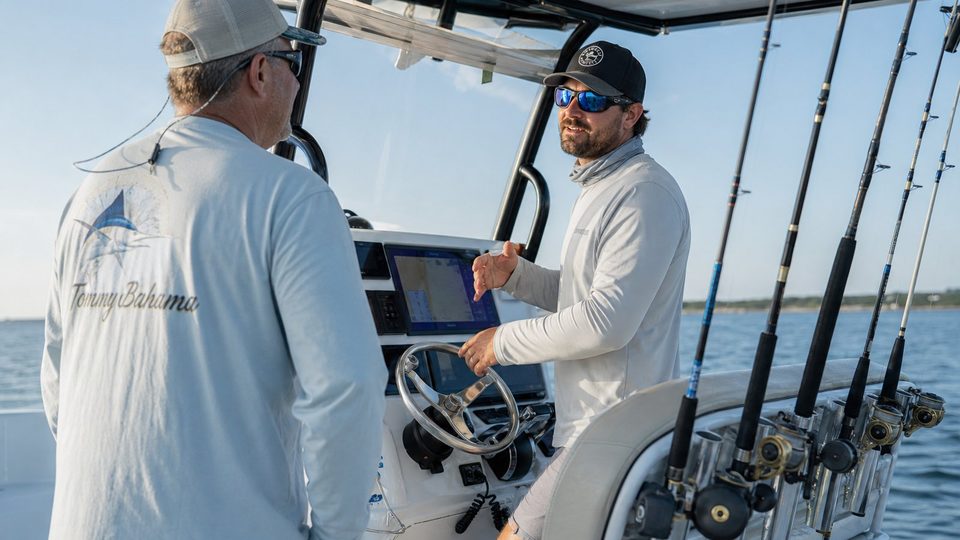
- Fast Center Consoles and Sportfishers: Modern twin-engine center consoles provide speed to reach distant tuna grounds or shark slicks quickly on calm summer days, allowing smaller groups to cover more water in a single day.
Tackle and Gear for Giant Bluefin Tuna Expeditions
Hunting North Atlantic bluefin tuna requires tournament-grade big game tackle capable of withstanding hundreds of pounds of continuous drag pressure:
- Heavy Bent-Butt Rods and 130-Class Reels: Charters equip anglers with heavy fiberglass or composite bent-butt rods paired with two-speed 130-class lever drag reels (such as Shimano Tiagra 130 or Penn International 130). Reels are spooled with 130-pound or 200-pound hollow-core braided line spliced to high-test monofilament top shots.
- Fighting Chairs and Stand-Up Harnesses: Battles with giant tuna often last one to three hours. Boats feature heavy stainless-steel fighting chairs mounted securely to the deck, or heavy-duty stand-up bucket harnesses that transfer the pulling force from the angler's arms to their legs and core.
- Kite Fishing and Live Bait Drifts: Captains launch specialized fishing kites that suspend live mackerel or herring skipping right across the surface. This keeps heavy terminal leaders completely out of the water, enticing suspicious tuna into violent surface strikes.
Seasonal Calendar for Nova Scotia Ocean Charters
Plan your Atlantic trip around prime marine migration windows:
- June to Early July: Spring groundfish season opens. Haddock and pollock feed over nearshore ledges, and early schools of mackerel arrive in southern bays.
- Mid-July through August: Prime family charter season. Calm ocean conditions, warm surface waters, active shark tagging offshore, and excellent bottom fishing for cod and haddock.
- September to Late October: The world-renowned giant bluefin tuna season peaks in the Northumberland Strait and along the Atlantic coast. Late-season groundfish pack on weight, offering fast bottom jigging.
What to Ask Before Reserving Your Charter
Ensure clear communication with your captain before placing a deposit:
- Is fish cleaning and filleting included? Most groundfish charters clean and bag your catch at the dock, but confirm if ice and bags are provided.
- What is the weather cancellation policy? Atlantic fog and ocean swells can ground boats. Verify how the charter handles weather reschedules or deposit refunds.
- What safety gear is on board? Confirm Transport Canada passenger certification, life jackets for all passenger sizes, life rafts, and modern dual VHF marine radios.
When you are ready to book premier fishing charters nova scotia, turn to Zoop.guide. Browse verified local captains across Nova Scotia ports, compare transparent rates, review boat equipment, and secure your Atlantic trip directly on Zoop.guide.