How to Choose the Right Fishing Guide: The Complete Charter Checklist
Hiring a professional fishing guide is one of the best investments an angler can make. A seasoned captain knows seasonal migrations, daily feeding windows, and structural nuances that would take an independent angler years to discover. However, charter quality varies across different waterways, and choosing the wrong operator can result in wasted money, inadequate gear, or compromised safety. Knowing what questions to ask and which credentials to check guarantees a productive day on the water.
Essential Credentials Every Professional Fishing Guide Must Have
Before discussing target species or honey holes, confirm that your prospective guide meets basic legal and safety requirements. Reliable professionals are proud to provide these details up front:
- Commercial Operating License: Commercial guiding requires specific permits from local natural resource ministries, provincial park boards, or maritime coast guard authorities. Never book an unlicensed operator claiming to run casual trips on public waters without proper commercial charter authority.
- Commercial Marine Liability Insurance: Guides must carry dedicated commercial liability insurance covering passengers, hull damage, and third-party claims. Personal recreational boat policies do not cover paying guests during a charter, leaving clients completely unprotected if an incident occurs on the water.
- Marine Safety and Captain Certifications: Look for Small Vessel Operator Proficiency (SVOP), Marine Emergency Duties (MED A3), or equivalent master captain certifications, alongside current Standard First Aid and CPR credentials. In tidal waters, captains must hold formal transport authority endorsements.
- Inspected Vessel Safety Equipment: Confirm that the boat carries Transport Canada or US Coast Guard approved personal flotation devices (PFDs) properly sized for every passenger, working marine VHF radios, visual distress signals, a functional bilge pump, a throwable life ring, and an accessible marine medical kit.
Questions to Ask a Prospective Fishing Guide Before Reserving
Direct communication before submitting a deposit prevents confusion on the dock. Ask these essential questions during your initial consultation:
1. What Gear and Tackle Are Included in the Charter?
Quality guides invest heavily in professional-grade rods, reels, braided line, fluorocarbon leaders, and fresh bait or custom flies. Ask whether all terminal tackle is covered or if the operator charges replacement fees for lost lures or broken rod tips. If you prefer casting your own equipment, ask if the boat has rod locker space and setup configurations suited for personal gear.
2. What Is the Fishing Strategy and Target Species Plan?
A reputable fishing guide does not make unrealistic promises about landing record fish on every drift. Instead, they outline a realistic strategy based on current water levels, water clarity, and barometric trends. Ask which species will be targeted first, what backup plans exist if wind or currents alter conditions, and which techniques will be used, such as drift boat nymphing, downrigger trolling, or vertical jigging.
3. What Are the Trip Inclusions and Guest Responsibilities?
Clarify whether fish cleaning, filleting, and ice bagging are included in the rate or require an extra gratuity. Ask what you need to bring: valid provincial or state fishing licenses, layered rain gear, non-marking deck shoes, polaroid sunglasses, sunscreen, food, and drinks. Confirm whether alcohol is permitted on board, as regulations vary strictly between freshwater lakes and commercial harbors.
4. What Style of Vessel Do You Run?
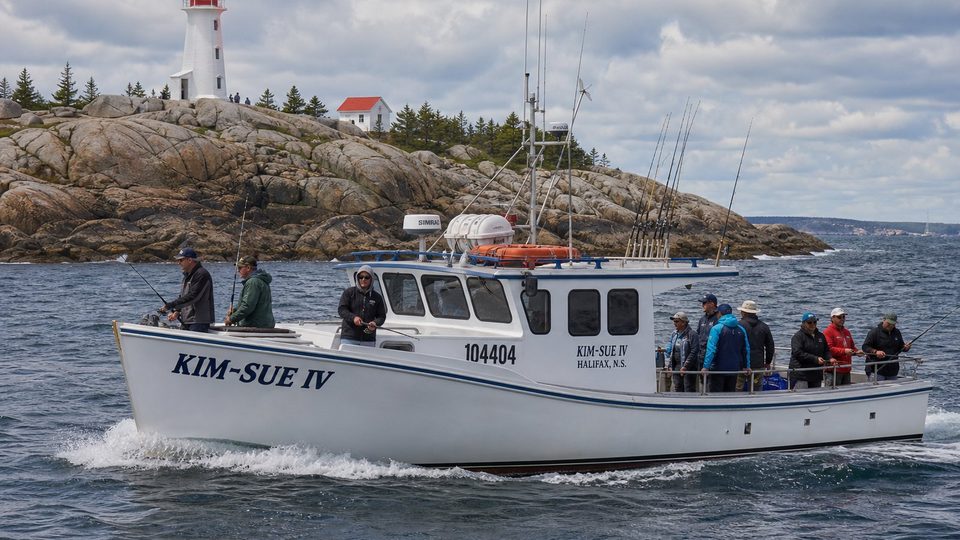
Understanding vessel layout helps ensure comfort. A drift boat or jet boat is ideal for shallow rocky rivers, while a 21-foot fiberglass multispecies boat excels on windy prairie reservoirs. For big ocean waters, you want a heavy deep-vee hull or a downeast commercial hull with high gunwales, an enclosed marine head, and a sheltered cabin to stay dry during rough crossings.
Understanding Charter Pricing, Tipping, and Hidden Costs
Professional charter pricing reflects significant operating overhead: commercial hull insurance, routine engine maintenance, slip fees, fuel consumption, and commercial tackle wear. Expect transparent quotes that break down costs clearly:
- Flat Rates vs. Fuel Surcharges: Make sure the agreed charter price includes boat fuel. Offshore trips that run thirty miles offshore burn significant fuel; reputable captains outline whether fuel is fully included or subject to market adjustments.
- Private Charters vs. Split Boats: Private charters reserve the entire vessel exclusively for your party, ensuring customized pacing and personal attention. Split trips combine separate parties to lower individual costs, which works well for solo anglers or pairs willing to share deck space.
- Tipping Etiquette: In North American charter fishing, tipping the captain and deckhand is standard practice for attentive service. A gratuity of 15% to 20% of the total charter fee is customary when the crew works hard, handles tackle, coaches technique, and cleans fish at the dock.
Common Red Flags to Watch Out For
Protect your hard-earned money and safety by recognizing warning signs before booking:
- Refusal to provide proof of insurance or licensing: Legitimate captains display permit numbers on their vessels and gladly provide certificates upon request. If an operator evades safety questions, move on immediately.
- Guaranteed catch promises: Wild fisheries are dynamic. Unpredictable weather shifts and cold fronts affect feeding behavior. A guide who guarantees limits often resorts to high-pressure sales tactics rather than honest outdoor skills.
- Unclear weather cancellation policies: Mountain river runoffs and coastal ocean squalls can make fishing dangerous. Ensure the operator has a written policy outlining rescheduling, credit options, or refund procedures if weather keeps the boat at the dock.
Preparing for Your Charter Day
Being a prepared client helps your guide provide the best possible experience from the moment you meet at the dock:
- Arrive on Time: Launch ramps and tidal gates operate on strict schedules. Arriving 15 minutes before departure allows time to stow gear, sign waivers, and review safety protocols without burning daylight.
- Communicate Your Skill Level: Tell your guide honestly whether you are an experienced caster or a complete beginner. A good captain adjusts coaching and technique to match your comfort level, ensuring everyone catches fish.
- Follow Boat Safety Guidelines: Listen closely to the captain's briefing regarding life jacket locations, safe casting angles, moving around the deck, and handling fish safely with nets.
Why Booking Through a Verified Directory Matters
Searching random local classifieds leaves too much to chance. Using a dedicated booking platform ensures that every listed captain has been screened for valid commercial insurance, relevant captain licensing, and customer satisfaction ratings.
When you are looking for a trusted fishing guide for your next excursion, browse the verified listings on Zoop.guide. Compare real guest reviews, review boat specs and amenities, and book directly with vetted local professionals who prioritize safety and memorable catches.