Halifax Fishing: Shore Spots, Harbour Runs, and Coastal Charters
Whether casting from historic granite piers or boarding an offshore vessel, halifax fishing provides immediate access to some of the most productive coastal Atlantic waters in eastern Canada. Halifax is built directly on one of the world's deepest natural ice-free harbours, surrounded by rocky points, protected inlets, and fast-moving tidal rips. Anglers can target schooling mackerel from urban docks in July or venture onto coastal ledges for haddock, cod, and Atlantic pollock.
Top Shore and Wharf Locations for Halifax Fishing
You do not need a boat to enjoy saltwater action in Halifax. The regional municipality offers several well-known shore access points with deep water close to land:
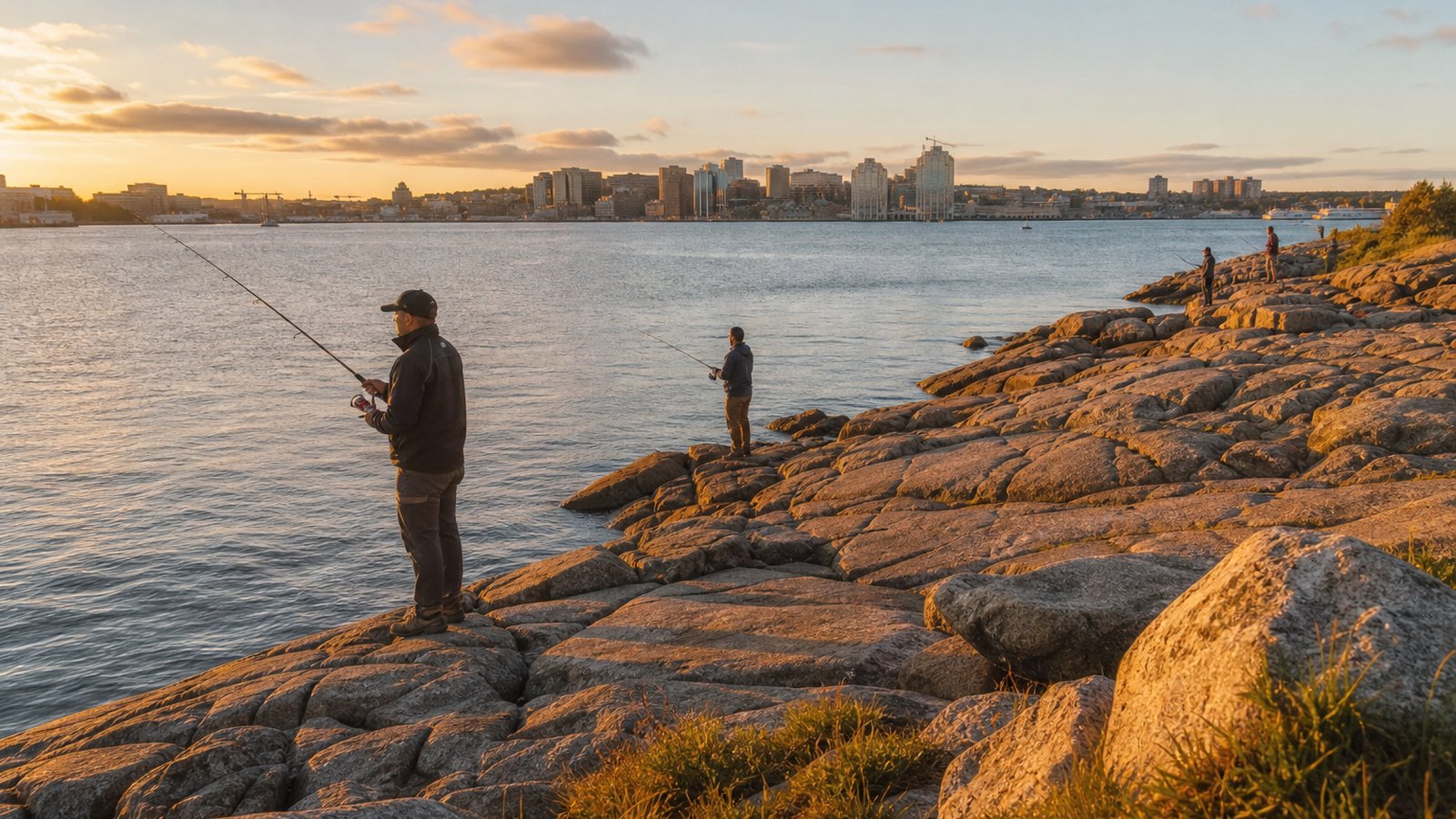
- Point Pleasant Park: Located at the southern tip of the Halifax peninsula, Point Pleasant Park provides rocky shoreline access right at the harbour entrance. Anglers cast medium spinning gear into deep tidal currents for mackerel, harbour pollock, and cunner. Watch your footing on wet kelp-covered rocks during outgoing tides.
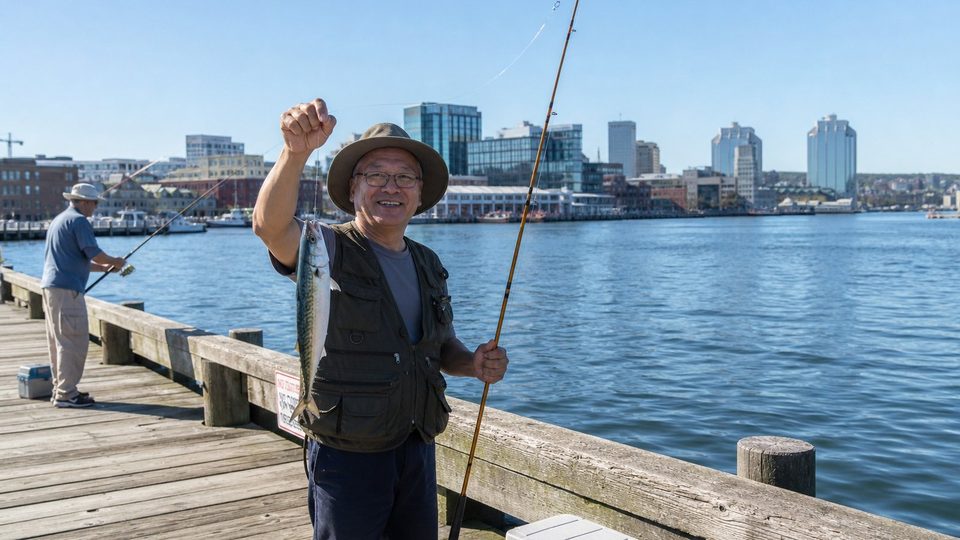
- The Halifax Waterfront Boardwalk: Public piers and floating docks along the downtown waterfront become lively fishing destinations from late June through September. Families and visiting anglers drop sabiki bait rigs or cast silver spoons for schooling Boston mackerel right in front of historic maritime buildings.
- Northwest Arm Bridges and Coves: The narrow, sheltered waters of the Northwest Arm offer quiet shoreline fishing away from commercial ship traffic. Anglers find flounder along sandy bottoms and mackerel chasing baitfish in narrow bottlenecks.
- Fisherman's Cove in Eastern Passage: Just across the harbour in Dartmouth and Eastern Passage, the boardwalk and government wharves give anglers direct casting access into coastal channels. This is also a primary departure point for charter boats heading toward outer coastal islands.
Seasonal Fishing Runs in Halifax Waters
Timing your outing with ocean water temperatures and seasonal bait migrations is critical for success:
Early Summer (June to Early July)
Water temperatures rise slowly along the Atlantic coast. Harbour pollock move into nearshore structure, while early schools of Atlantic cod begin cruising outer harbour ledges. Flounder can be caught on sandy flats using light spinning rods rigged with small hooks and fresh marine worms or clam strips.
Peak Summer (Mid-July through August)
This is the high-energy season for coastal fishing. Massive schools of Boston mackerel flood into Halifax Harbour, pursued by harbour seals, porpoises, and sea birds. Shore casting reaches peak participation, while charter boats running offshore enjoy calm seas and fast action for haddock, cod, and blue sharks on outer banks like Sambro.
Late Summer and Autumn (September to October)
Cooling autumn days bring the largest fish of the season into shallower coastal water. Pollock feed aggressively along rocky points, while bluefin tuna track herring schools offshore. Autumn is the best window for sport anglers seeking heavy gamefish before winter storms set in.
Essential Tackle and Rigs for Halifax Coastal Waters
Saltwater angling around Halifax requires durable tackle capable of handling heavy tidal currents and sharp underwater rocks:
- Medium-Heavy Spinning Rods: A 7 to 8 foot medium-heavy spinning rod paired with a 4000-size reel spooled with 20 to 30 pound braided line is the ultimate versatile setup for shore casting and light boat fishing.
- Sabiki Multi-Hook Rigs: Six-hook sabiki rigs with small iridescent foil attractors are the standard setup for catching mackerel by the bucket. Add a 1 to 2 ounce teardrop sinker to reach bottom quickly in strong harbour tides.
- Castable Spoons and Metal Jigs: Kastmaster spoons, Swedish Pimples, and Hopkins chrome jigs weighing between 3/4 and 2 ounces cast far into coastal wind and flutter erratically on the drop, triggering strikes from hungry pollock.
- Bottom Rigs for Groundfish: High-low bottom rigs with stout 4/0 baitholder hooks baited with squid, mackerel strips, or clam meat will tempt bottom feeders holding along drop-offs.
Rules, Ocean Regulations, and Tidal Fishing Etiquette
Understanding local regulations keeps your fishing trip legal and enjoyable:
- Tidal Water Licensing: In Nova Scotia, recreational fishing in tidal ocean waters for common groundfish species does not require a provincial freshwater license. However, federal Department of Fisheries and Oceans (DFO) quotas, minimum size limits, and seasonal closures apply strictly to species like cod and haddock.
- Harbour Navigation and Safety: Halifax Harbour is an active commercial port with container ships, naval vessels, and ferries. Shore anglers must avoid restricted commercial piers, naval bases, and active ferry slips.
- Leave No Trace: Clean up old monofilament line, rusted hooks, and bait wrappers. Discarded fishing line is hazardous to marine birds and harbor wildlife.
Tides, Current Seams, and Feeding Times
Atlantic tides in Halifax Harbour shift water levels by four to six feet twice daily. Understanding how tidal stages move bait is essential for anglers fishing from shore or small craft:
- Incoming Flood Tide: As ocean water pushes into the harbour, large schools of baitfish are forced against granite retaining walls and into shallow coves. Predatory mackerel, pollock, and seabirds feed heavily along visible foam lines and current rips. The last two hours of the incoming tide until high slack water is typically the most productive shore-casting window.
- Outgoing Ebb Tide: Water rushes out past McNabs Island and through the mouth of the Northwest Arm. Fish set up ambushes behind jetty pilings, buoy chains, and submerged reefs where outgoing current funnels disoriented bait into waiting predators.
- Slack Water: During thirty-minute periods of slack tide, bottom current eases considerably. This is the prime window to drop lightweight bottom rigs for winter flounder and cunner without heavy sinkers tumbling into rocky crevices.
Shore Angler Safety and Catch Care
Saltwater rocks and urban wharves present distinct physical hazards. Practice basic safety precautions:
- Black Kelp and Slippery Granite: Rocks below the high tide line become coated in slick black algae. Wear rubber-soled deck boots or boots with carbide studs when scrambling along rocky shorelines in Point Pleasant Park.
- Handling Mackerel and Bleeding Fish: Mackerel have high oil content and spoil quickly in warm summer sun. Bring a cooler with clean crushed ice to the pier. Bleed your fish promptly by snapping the gills, then immerse them in ice water to maintain fresh, firm table quality.
Upgrading Your Outing with a Verified Charter Boat
While shore casting offers great casual fun, heading past the harbour mouth on a charter boat opens up an entirely different caliber of fishing. Professional captains know the exact GPS waypoints where haddock school over gravel beds and where bluefin tuna patrol outer current seams.
When you are planning your next trip for halifax fishing, visit Zoop.guide to connect with vetted independent captains and guides. Check live availability, read genuine angler reviews, and book your Halifax adventure directly on Zoop.guide.