Salmon Run Ontario: Prime Tributary Rivers, Peak Fall Timing, and River Tactics
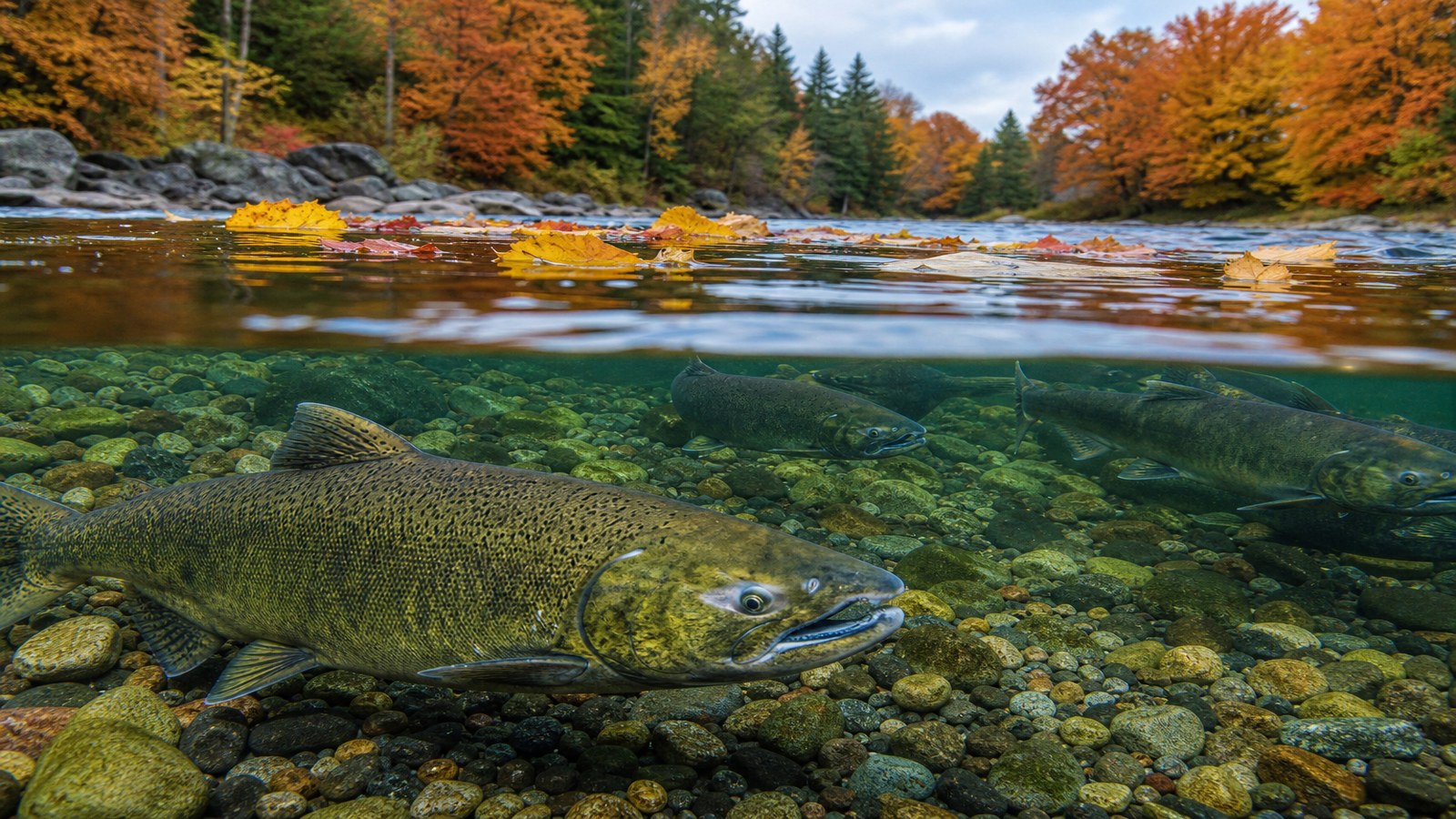
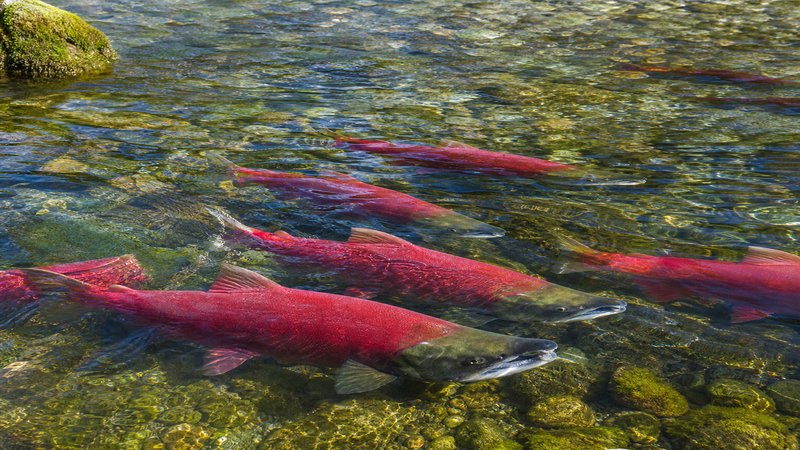
Every September, thousands of traveling and local anglers converge on rivers across southern and central Ontario as the annual salmon run ontario begins. Migrating from the open depths of Lake Ontario, Lake Huron, and Georgian Bay, hundreds of thousands of mature Chinook salmon, coho salmon, and Atlantic salmon surge into shallow tributary streams to fulfill their spawning journey. For freshwater anglers, battling 20 to 30-pound king salmon in clear river pools and gravel riffles is one of the most thrilling experiences in Canadian angling.
Premier Tributary Rivers for the Salmon Run Ontario
Ontario features outstanding salmon rivers spanning both major Great Lakes basins:
1. The Credit River (Mississauga to Norval)
Flowing into western Lake Ontario, the Credit River is a premier destination for Great Lakes salmon. Featuring accessible public parklands, gravel riffles, and deep staging pools, the Credit attracts massive runs of Chinook. Key public access points include Erindale Park, Riverwood Conservancy, and Streetsville Memorial Park. Erindale Park offers wide gravel flats and well-maintained walking trails, making it the premier destination for float anglers and fly casters.
2. The Ganaraska River (Port Hope)
Flowing into central Lake Ontario, the Ganaraska River is famous across Canada for its concentrated autumn salmon run. The river flows right through downtown Port Hope, where thousands of spectators gather at the historic fish ladder to watch giant salmon leap upstream. Above the ladder, conservation areas offer scenic woodland pools holding resting kings and coho.
3. The Saugeen River (Southampton)
Flowing into Lake Huron, the Saugeen River supports strong runs of wild Chinook salmon and migratory brown trout. The deep holding pools below the Denny's Dam provide outstanding drift-boat and wading opportunities for anglers targeting heavy, aggressive river kings.
4. Bowmanville, Duffins, and Wilmot Creeks
To the east of Toronto, smaller tributary streams offer concentrated runs of Chinook and coho. Deep gorge pools and shaded undercut banks provide fantastic close-quarters action with float tackle and compact spinners.
Seasonal Timing and River Conditions
Timing the run in Ontario rivers requires tracking weather systems and river flows:
- Late August to Early September: Early staging salmon gather off harbor mouths and river estuaries. Casting glowing spoons from harbor piers at night produces ocean-bright fish fresh from the lake.
- Mid-September to Early October: The peak migration window. Autumn rainstorms raise river flows and cool water temperatures, triggering massive pushes of salmon over shallow riffles.
- Mid-October to November: Coho salmon, migratory brown trout, and winter steelhead push into rivers behind the main Chinook run, picking off loose salmon roe in clear, low autumn water.
Effective River Techniques and Setups
Stopping heavy salmon in swift river currents requires stout equipment and precise presentations:
- Centerpin Float Fishing: A 11-foot-6 to 13-foot float rod paired with a smooth centerpin reel allows drag-free drifts of cured salmon roe skeins, scented beads, or weighted marabou jigs under sensitive balsa floats.
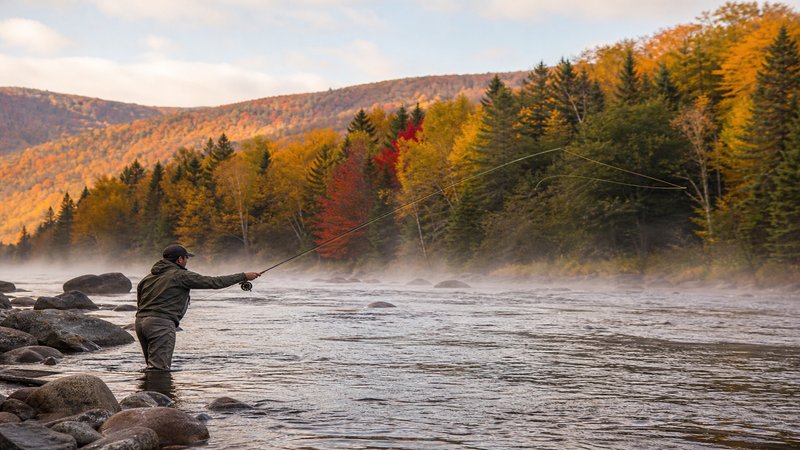
- Fly Fishing with Heavy Streamers: An 8-weight or 9-weight fly rod with fast-sinking tip lines. Swinging large black, purple, or chartreuse streamer flies through deeper runs provokes aggressive territorial strikes.
- Casting Hardware: Compact inline spinners (size 4 or 5 Blue Fox Vibrax or Mepps) and diving crankbaits worked slowly through dark pools trigger defensive bites from resting fish.
Reading Urban River Structure and Staging Pockets
Finding fish during the Ontario salmon run requires identifying where traveling kings pause to rest:
- Deep Bridge Pools and Weirs: Urban structures create deep, scour holes where migrating salmon hold in large numbers before pushing through shallow water chutes.
- Shaded River Overhangs: On bright, sunny autumn days, salmon seek cover beneath overhanging willows, fallen timber, and steep cut banks.
- River Confluences: Where cold feeder streams enter main river channels, migrating salmon often hold in the thermal break, creating hot spots for drifted roe.
Stream Etiquette and Conservation Regulations
Because Ontario salmon rivers draw heavy angling crowds, observing proper river etiquette preserves public access and fishery health:
- Observe Fish Sanctuaries: Many provincial dams, weirs, and fish ladders carry seasonal or permanent fishing closures (such as 75-meter exclusion zones). Always check the official Ontario fishing regulations summary before casting.
- Pinch Hook Barbs: Barbless hooks allow fast, clean releases and prevent tearing delicate mouth tissue.
- Never Target Active Spawning Redds: Avoid casting to fish actively digging or spawning in shallow gravel beds. Target deeper holding pools downstream where fish are fresh.
- Pack Out All Litter: Discarded fishing line, bait packaging, and plastic containers harm wildlife and threaten landowner access.
Booking a Guided River Adventure on Zoop Guide
Locating active pods of salmon and finding quiet water away from road-access crowds is far easier with an experienced local river guide. Professional guides know secret access points, monitor real-time river flows, and provide tournament-grade centerpin and fly tackle.
When you are ready to experience the excitement of the annual salmon run ontario, discover verified local river guides on Zoop.guide. Compare transparent trip rates, inspect customer reviews, and book your autumn fishing adventure directly on Zoop.guide.