Salmon Run Toronto: Prime Urban Rivers, Peak Fall Timing, and River Tactics
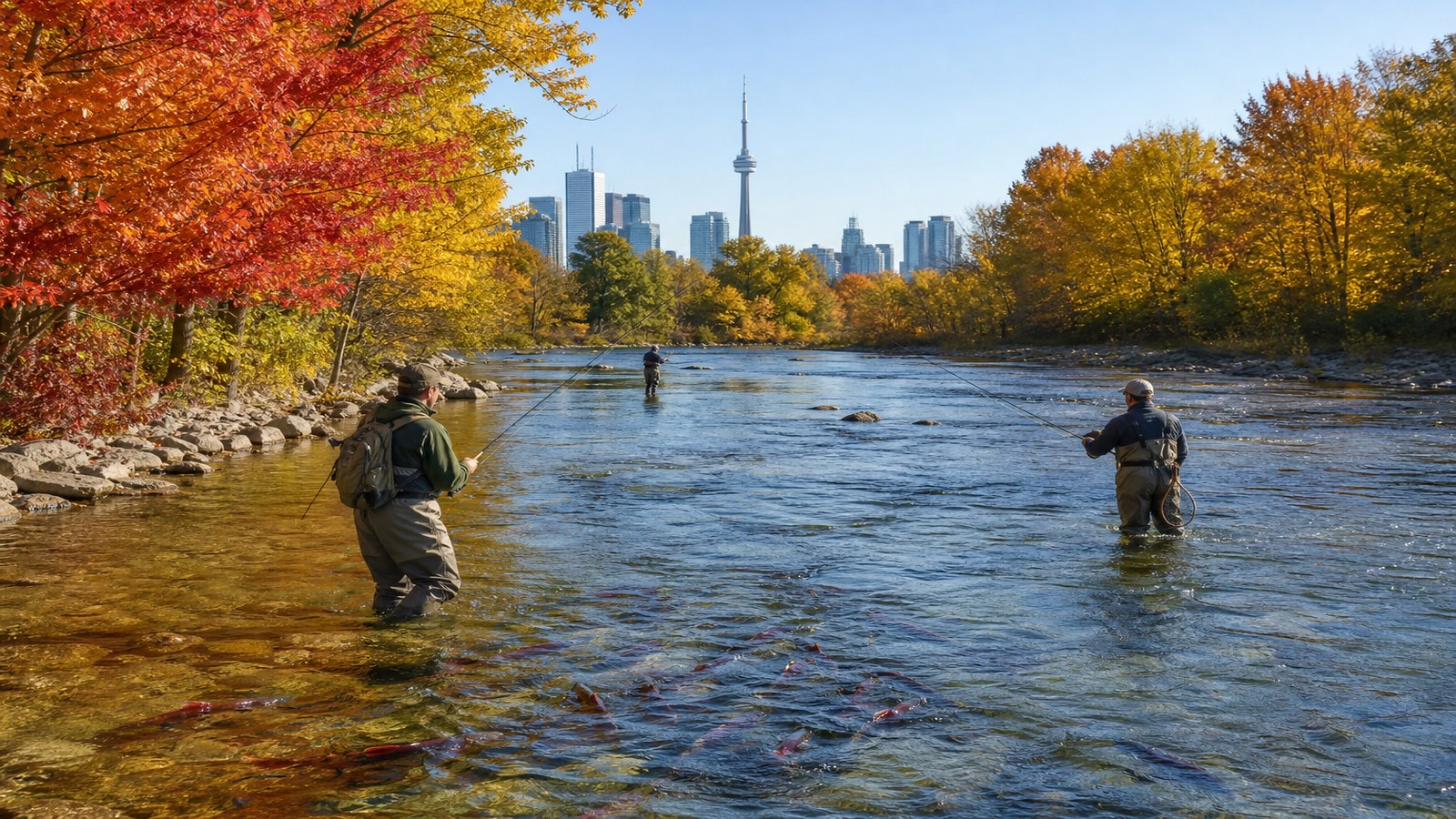
Every September and October, one of the most remarkable wildlife spectacles in North America unfolds right in Canada's largest metropolitan center during the salmon run toronto. Massive Chinook salmon, coho salmon, and Atlantic salmon migrating from the depths of Lake Ontario push into urban rivers and creeks that flow through city parks, ravine corridors, and under bustling expressway overpasses. For local and visiting anglers, casting for 25-pound king salmon against a backdrop of autumn trees and city skyline is an unforgettable experience.
Top Urban Waterways for the Salmon Run Toronto
The Greater Toronto Area features several major river valleys that host strong salmon runs each fall:
1. The Credit River (Mississauga to Norval)
The Credit River is the crown jewel of the western GTA salmon fishery. Featuring extensive public parkland, gravel riffles, and deep staging pools, the Credit attracts massive runs of Chinook salmon. Prime public access areas include Erindale Park, Riverwood Conservancy, and the Streetsville Memorial Park dam. Erindale Park offers wide gravel flats and accessible trails, making it the premier destination for float anglers and fly casters.
2. The Humber River (Old Mill to Raymore Park)
Flowing through the heart of Toronto's west end, the Humber River provides exceptional urban salmon viewing and angling. The Old Mill subway station area and Etienne Brule Park feature stone weirs where spectators and anglers watch giant salmon leap upstream through fast-moving water chutes. Moving further upstream toward Raymore Park reveals quieter pools and wooded riverbanks.
3. Bowmanville Creek, Duffins Creek, and Highland Creek
To the east of downtown Toronto, smaller tributary creeks offer concentrated runs:
- Bowmanville Creek: Famous for its dedicated fish ladder and deep urban gorge pools where staging salmon rest after entering from Lake Ontario.
- Duffins Creek (Pickering): Features pristine cold-water runs through conservation areas holding mixed runs of Chinook, coho, and migratory brown trout.
- Highland Creek (Scarborough): Flows through Morningside Park, providing accessible shore casting spots within easy transit reach.
- Bronte Creek (Oakville): Located west of Mississauga, Bronte Creek Provincial Park provides scenic woodland fishing for running kings and steelhead.
Seasonal Timing and River Conditions
Timing the salmon run in Toronto requires watching weather forecasts and rainfall closely:
- Late August to Early September: Early staging fish gather off river mouths and harbor piers. Night casting with glowing spoons from Bluffer's Park or Port Credit harbor produces fresh ocean-bright kings.
- Mid-September to Early October: Peak migration window. Heavy autumn rainstorms raise river levels, allowing thousands of salmon to charge upstream through shallow urban riffles.
- Mid-October to November: Late coho salmon, brown trout, and winter steelhead enter rivers behind the main Chinook run, picking off loose salmon eggs in clear, low autumn water.
Effective River Techniques and Setups
Catching salmon in urban streams requires gear stout enough to stop heavy fish from tangling around submerged concrete, shopping carts, and tree roots:
- Float Fishing with Centerpin or Spinning Gear: A 10-foot-6 to 11-foot-6 medium-heavy rod paired with 15-pound main line and a 10-pound fluorocarbon leader. Float cured salmon roe bags, artificial scented beads, or weighted marabou jigs under high-visibility river floats.
- Fly Fishing with Heavy Streamers: An 8-weight to 9-weight fly rod equipped with fast-sinking tip lines. Swing heavy black, purple, or chartreuse streamer flies through deeper runs, provoking reaction takes.
- Casting Hardware: Compact inline spinners (size 4 or 5 Mepps or Blue Fox Vibrax) and small crankbaits worked slowly through dark pools trigger defensive strikes.
Urban Fishing Gear and Comfort Checklist
Wading urban rivers requires proper equipment to stay warm and dry throughout chilly autumn mornings:
- Breathable Chest Waders: Paired with felt or studded rubber boots to maintain traction on slick river shale and clay beds.
- Polarized Eyewear: Essential for cutting surface glare, spotting underwater salmon pods, and safely navigating river rocks.
- Long-Handled Landing Net: A wide rubber hoop net lets you safely secure 20-pound salmon in heavy current without damaging riverbanks.
Urban Fishing Ethics and Regulations
Urban rivers receive heavy pressure from anglers and nature watchers. Obeying provincial fishing regulations protects both the fishery and access rights:
- Respect Fish Sanctuaries: Many GTA dams, weirs, and fish ladders carry year-round or seasonal fishing closures (such as 75-meter exclusion zones around fishways). Always verify local sanctuary boundaries in the official Ontario fishing regulations summary before casting.
- Pinch Barbs and Handle Cleanly: Use barbless hooks to ensure fast releases and prevent unnecessary injury. If keeping a fish for the table, ensure it is ocean-bright and dispatch it humanely immediately.
- Pack Out All Litter: Monofilament fishing line, discarded plastic packaging, and bait containers harm wildlife and jeopardize public access in municipal parks.
Booking a Guided Urban Trip on Zoop Guide
Finding quiet water and understanding how salmon move through Toronto's river valleys is far easier with an experienced local guide. Professional guides know exact water flows, hidden access points, and the right setups to put you on fish safely.
When you are ready to experience the incredible salmon run toronto, browse verified local fishing guides on Zoop.guide. Compare trips, inspect safety credentials, read authentic angler reviews, and book your autumn adventure directly on Zoop.guide.