Fishing in Canada: The Complete Angler Guide to Regions, Species, and Seasons
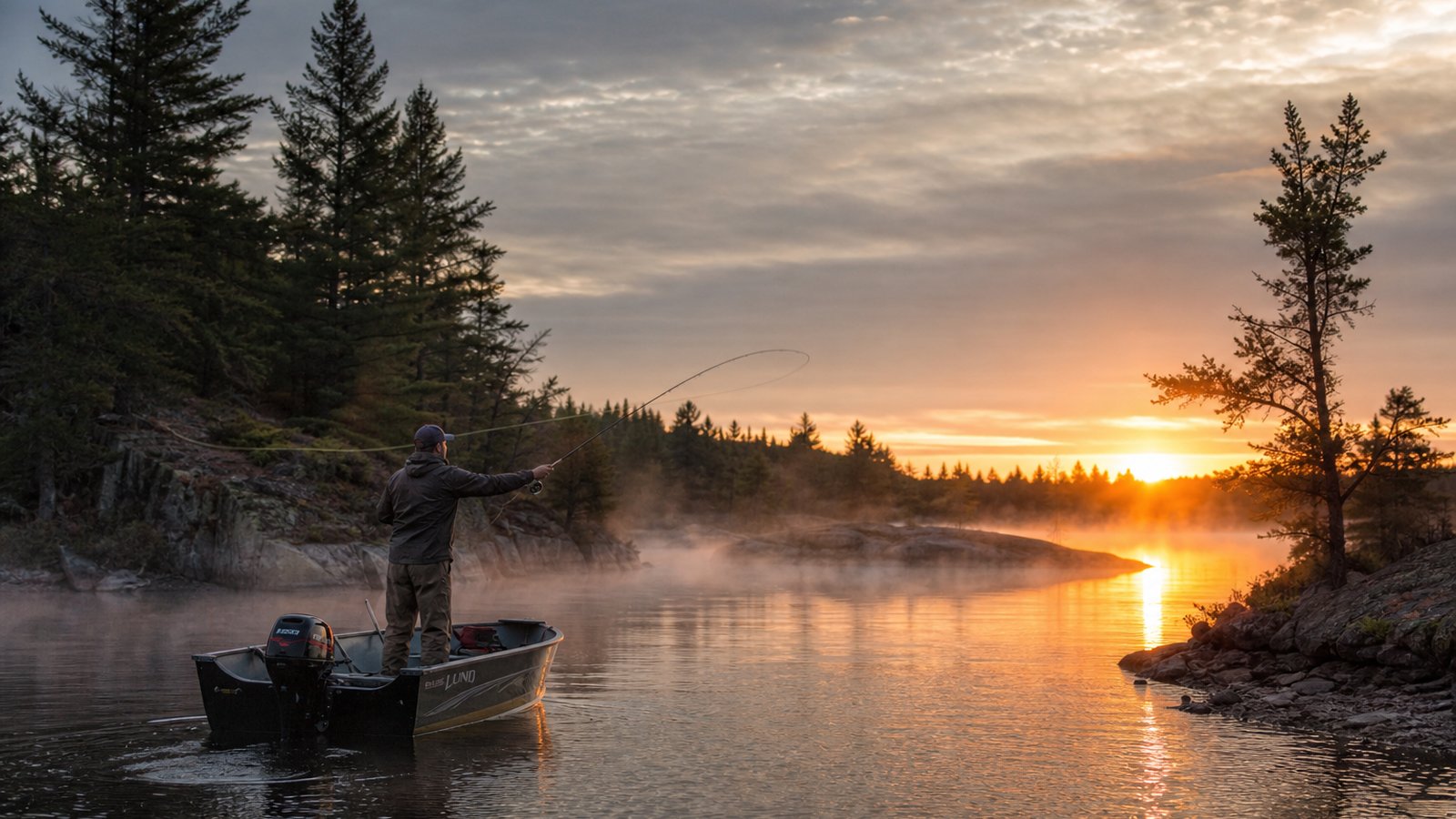
Planning a trip for fishing in canada means preparing for some of the most diverse freshwater and saltwater environments on earth. With more than two million lakes, thousands of river systems, and three distinct ocean coastlines, Canada offers anglers every style of pursuit imaginable. Whether your goal is drifting dry flies for wild rainbows on the Bow River, jigging heavy structure for shield lake walleye, or fighting Atlantic bluefin tuna offshore, knowing where and when to fish makes all the difference.
Major Regions for Fishing in Canada
Because Canada covers six time zones, conditions vary wildly from coast to coast. Successful anglers plan their travel around specific regional habitats and target species rather than general dates on the calendar.
- Pacific Coast and British Columbia: Known worldwide for five species of Pacific salmon (Chinook, Coho, Sockeye, Chum, and Pink), along with wild steelhead, coastal cutthroat trout, and massive white sturgeon along the Fraser River. Saltwater hotspots include Haida Gwaii, Campbell River, and Vancouver Island. The combination of ocean fjords and swift mountain rivers makes this province a bucket-list destination for fly anglers and conventional trollers alike.
- Western Prairies and Alberta: Alberta and Saskatchewan feature world-class cold-water trout rivers, deep reservoir fisheries like Lake Diefenbaker, and vast northern boreal lakes loaded with trophy northern pike and walleye. Alberta's Bow River is famous for strong wild rainbow and brown trout that test reels in fast currents, while northern lakes yield pike stretching past forty inches.
- Central Canada and Ontario: The Canadian Shield and Great Lakes basin create legendary multi-species water. Ontario holds top-tier muskie, smallmouth bass, lake trout, and yellow perch from Lake of the Woods through the French River and Georgian Bay. Farther north, fly-in outposts access unpressured waters where every cast can produce a strike.
- Atlantic Coast and Maritime Provinces: Nova Scotia, New Brunswick, Prince Edward Island, and Newfoundland deliver premier saltwater sport fishing. Target Atlantic cod, haddock, and pollock in deep coastal waters, or book offshore charters for giant bluefin tuna. Atlantic salmon rivers in the Maritimes provide historic fly fishing traditions set against rugged coastal cliffs.
Key Target Species When Fishing in Canada
Every province manages unique fisheries with specific bag limits and seasonal closures. Here are the cornerstone gamefish that draw anglers from across the globe:
1. Walleye (Pickerel)
Walleye are the undisputed prize of Canadian freshwater lakes. Known for their golden scales, glassy eyes built for low-light feeding, and delicate culinary quality, walleye hold tight to deep weed edges, rocky humps, and current breaks. Standard tactics include vertical jigging 1/4-ounce to 3/8-ounce lead heads tipped with minnows or paddle-tail plastics, dragging bottom bouncers with spinner rigs, and trolling deep-diving crankbaits along 15 to 25 foot contour lines during dawn and dusk.
2. Northern Pike and Muskie
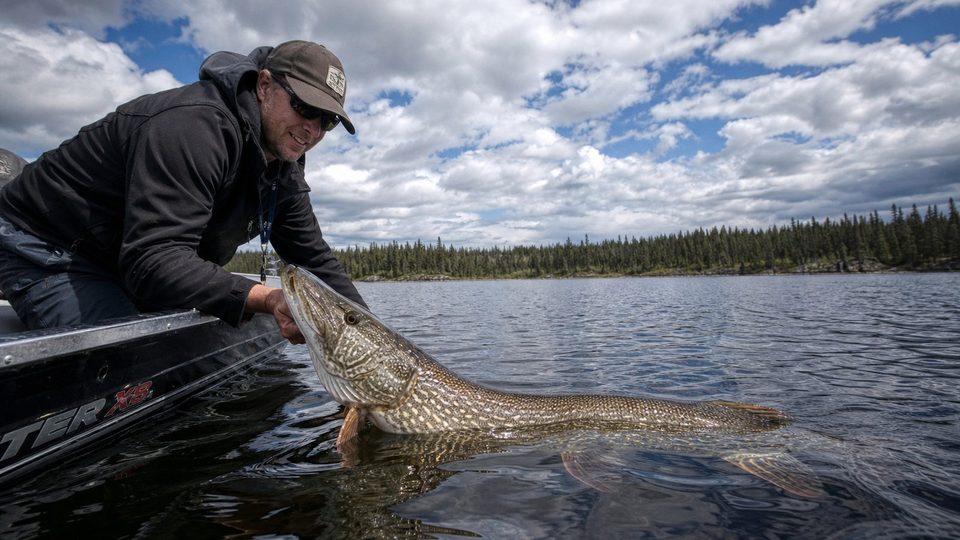
Northern pike inhabit nearly every weed bed, bay, and shallow flat in northern waters. Pike strike aggressively at heavy spoons, in-line bucktail spinners, and large jerkbaits. In contrast, the elusive muskie requires heavy casting rods, braided line testing at least 80 pounds, single-strand fluorocarbon leaders, and wide figure-eight presentations at boat side. Prime muskie destinations include the St. Lawrence River, Ottawa River, Lake Nipissing, and Lac Seul.
3. Pacific and Atlantic Salmon
Pacific salmon migrate through tidal waters before ascending coastal rivers from May through October. Trolling flashers with cut-plug herring or anchovies behind downriggers is standard in ocean channels, while river anglers swing spey flies or drift cured roe under floats. In the Great Lakes, introduced Chinook and Coho salmon create thriving open-water trolling fisheries throughout summer. In eastern Canada, wild Atlantic salmon demand traditional swung fly presentations on iconic rivers like the Miramichi and Margaree.
4. Lake Trout and Brook Trout
Native lake trout thrive in deep, cold, oxygen-rich lakes. In spring right after ice-out, lake trout feed in the top ten feet of water, hitting shallow-running spoons, shallow crankbaits, and large streamers. Once surface water warms in July, they drop to depths between 50 and 100 feet, requiring downriggers, wire line, or heavy white tube jigs fished vertically right off bottom. Eastern brook trout in remote Ontario and Labrador rivers reach trophy sizes, taking dry flies and mouse patterns in crystal-clear rapids.
Seasonal Windows for Canadian Anglers
Timing your trip around water temperatures and seasonal regulations determines your success:
- Spring (May to Mid-June): Post ice-out conditions bring shallow-water action for lake trout, hungry pre-spawn pike in dark-bottom bays, and early season walleye runs in river mouths. Insect hatches begin on prairie trout streams.
- Summer (Late June through August): Stable warm weather provides comfortable conditions for family trips, high-altitude alpine lakes, and consistent smallmouth bass and muskie fishing. Saltwater charters for salmon and groundfish run at full capacity.
- Autumn (September to October): Fall brings the heaviest feeding activity of the year. Walleye school tightly on steep breaks, giant brown trout migrate upriver, and massive ocean bluefin tuna feed aggressively along Atlantic shelves before winter.
- Winter (December to March): Hardwater ice fishing is a proud Canadian tradition. Heated ice huts on Lake Simcoe, Lake Nipissing, and Cold Lake offer dependable action for yellow perch, walleye, and trophy lake trout through the ice.
Licenses, Regulations, and Conservation Rules
Canada does not have a single national fishing license. Every province and territory manages its own licensing system, seasons, and harvest regulations:
- Provincial Licenses: You must purchase an active non-resident or resident sport fishing license directly from the provincial wildlife agency for each province you fish (such as Alberta RELM, Ontario Outdoors Card, or Nova Scotia DNR).
- Tidal vs. Non-Tidal Waters: In British Columbia and Atlantic Canada, ocean waters require a federal Department of Fisheries and Oceans (DFO) tidal waters license, which is separate from inland freshwater permits.
- Sanctuaries and Seasonal Closures: Many spawning bays are strictly closed during spring to protect breeding fish. Always review local zone regulations for gear restrictions such as barbless hook mandates, bait bans, and mandatory catch-and-release rules on native species like bull trout or interior cutthroat.
The Value of Booking a Verified Local Charter Guide
Navigating vast Canadian waterways, sudden northern weather shifts, and unfamiliar seasonal patterns can be intimidating for visiting anglers. Booking a local professional guide gives you access to tuned boats, premium tackle, up-to-date safety gear, and intimate knowledge of where fish hold daily. Rather than spending precious vacation days searching empty water, a professional guide puts you on active fish from the opening drift.
When you are ready to book your next trip for fishing in canada, use Zoop.guide to discover verified independent fishing charters and guides across Canada. Compare transparent pricing, inspect vessel specifications, read verified reviews, and secure your boat with instant booking confidence on Zoop.guide.