Sask Fishing: Trophy Northern Pike, Walleye, and Remote Boreal Waters
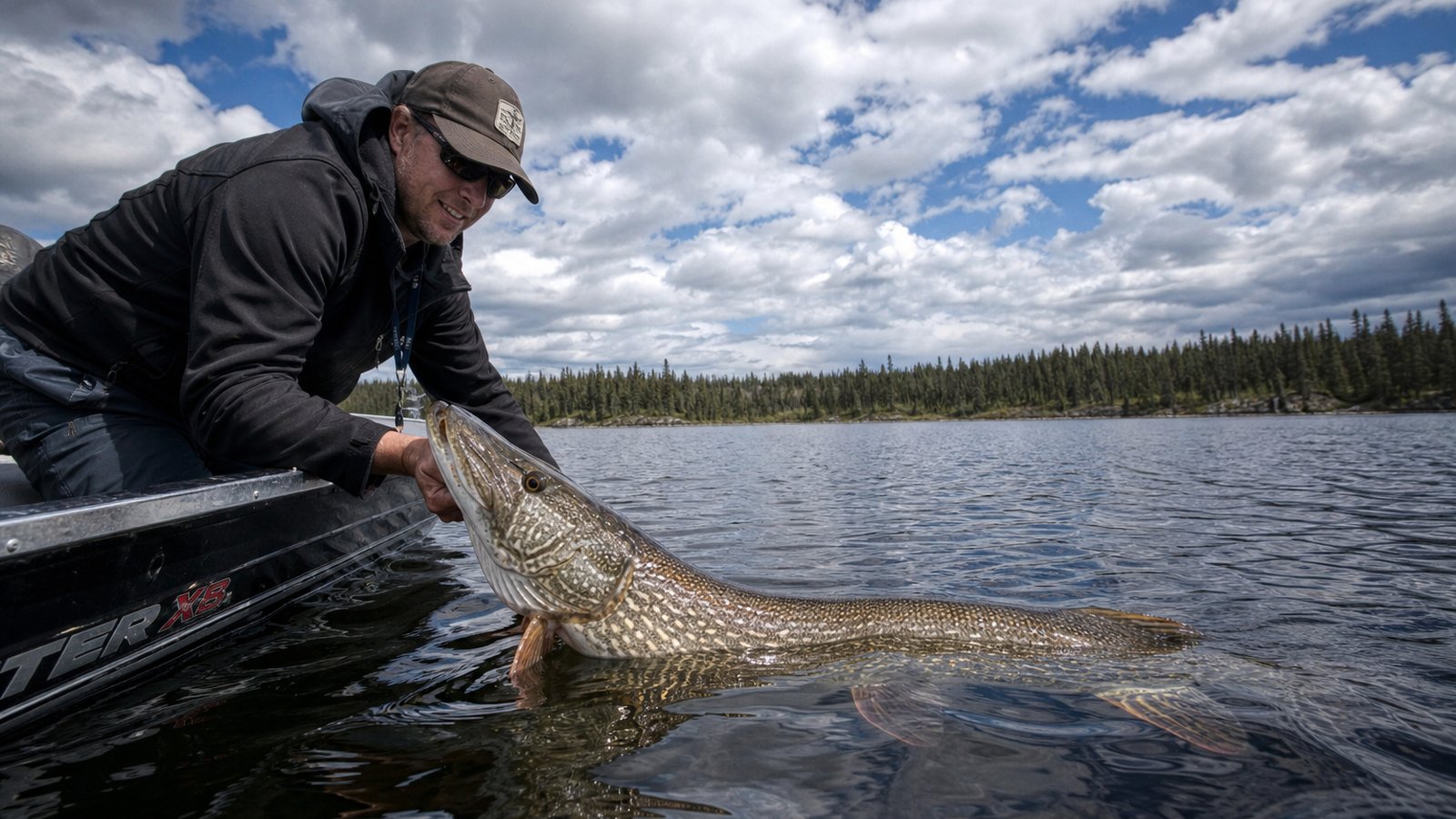
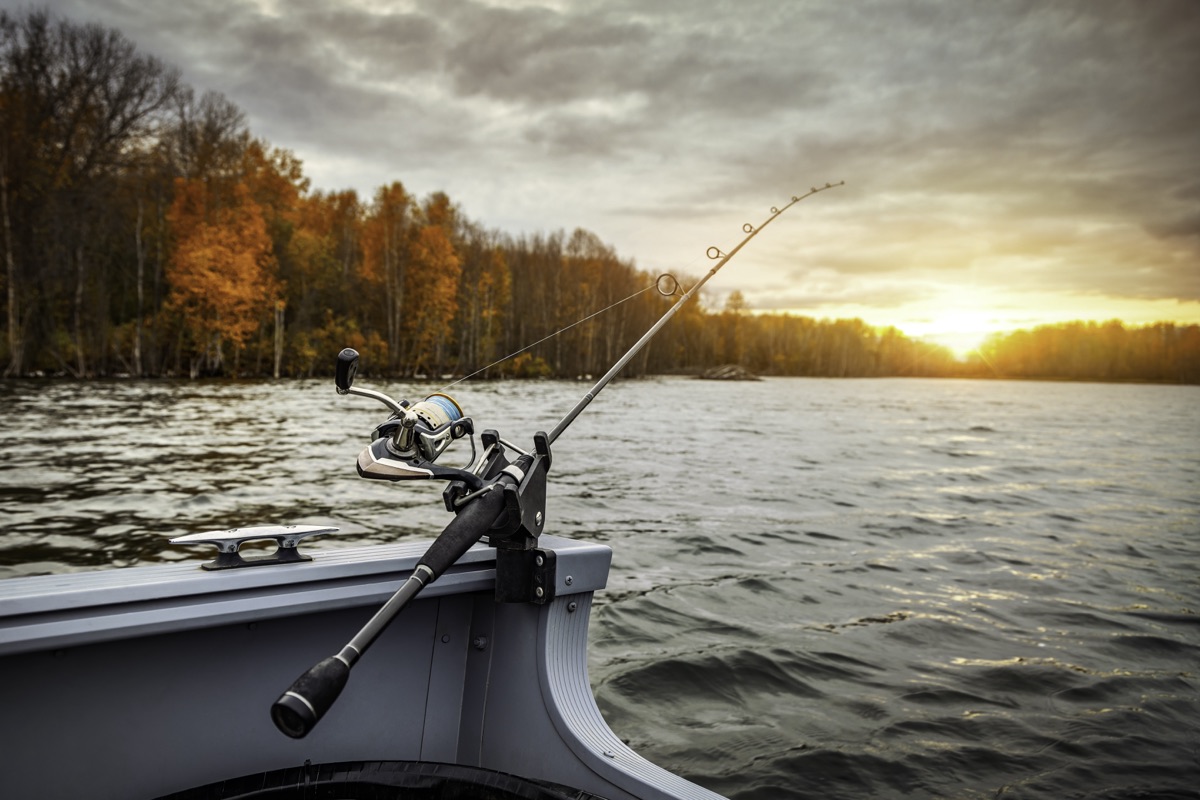
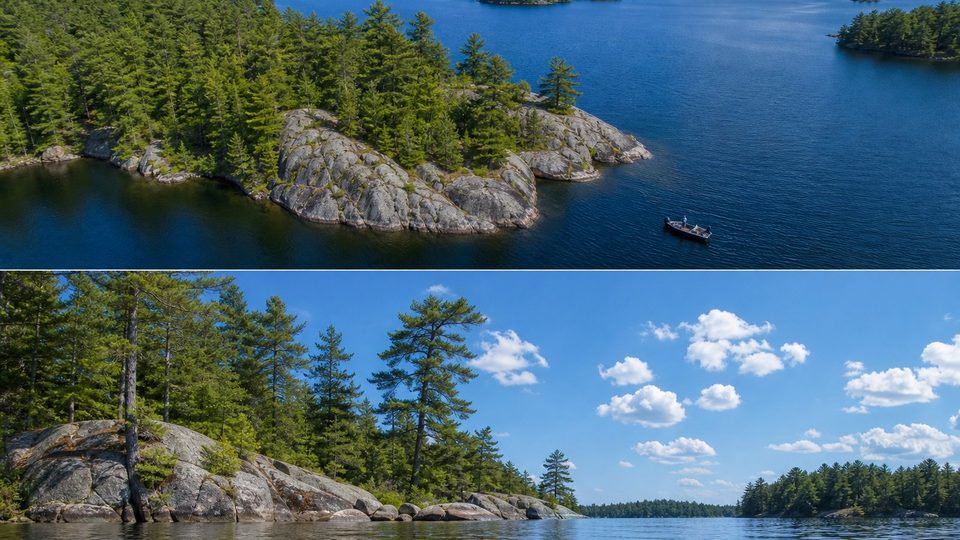
Anglers seeking remote wilderness and massive freshwater fish consistently look to sask fishing for world-class adventures. The province of Saskatchewan contains nearly 100,000 lakes and river systems, with the northern two-thirds carpeted by pristine boreal forest and Canadian Shield granite. Unpressured waters, cold nutrient-rich currents, and strict conservation policies combine to produce northern pike exceeding forty-five inches, walleye in astounding numbers, and massive lake trout patrolling glacier-carved depths.
Prime Waters for Sask Fishing Adventures
Saskatchewan's fisheries vary dramatically from southern agricultural reservoirs to remote northern subarctic fly-in waters:
1. Northern Subarctic Giants: Lake Athabasca, Reindeer Lake, and Wollaston Lake
Saskatchewan's far north hosts some of the largest freshwater bodies on the continent. Lake Athabasca and Reindeer Lake are legendary for producing world-record caliber lake trout and mammoth northern pike. Wollaston Lake, covering over 500,000 acres, provides an expansive maze of rocky islands, sheltered bays, and fast-flowing river mouths where fish see virtually zero angling pressure all summer.
2. The Churchill River System and Lac La Ronge
The Churchill River is a majestic chain of interconnected lakes, rapids, and waterfalls winding across central-northern Saskatchewan. It offers phenomenal multi-species action for walleye and pike around current breaks and rocky drops. Lac La Ronge features over 1,300 islands and holds excellent populations of lake trout alongside abundant walleye reefs.
3. Southern Prairie Reservoirs: Lake Diefenbaker and Tobin Lake
In central and southern Saskatchewan, vast impoundments produce giant fish. Lake Diefenbaker holds world records for rainbow trout and burbot, while Tobin Lake along the Saskatchewan River system is famous for yielding some of the heaviest walleye ever recorded in Canada, especially during the late-autumn trophy bite.
Target Gamefish That Define Saskatchewan Fishing
The cold, clean waters of Saskatchewan allow fish to grow slowly and live long, resulting in muscular, heavy-bodied specimens:
- Trophy Northern Pike: Saskatchewan is arguably the top destination on the planet for giant northern pike. In early June after ice-out, pike sun themselves in shallow, dark-bottom bays, striking fly patterns, shallow jerkbaits, and weedless spoons in breathtaking topwater explosions. In late summer, they slide out to deep cabbage weedlines where heavy crankbaits and large rubber swimbaits produce strikes.
- Vast Schools of Walleye: If high catch rates and delicious shore lunches are your goal, Saskatchewan's walleye fisheries are tough to beat. Hundred-fish days are common on remote fly-in lakes. Standard 3/8-ounce jigs tipped with soft plastic tails or nightcrawlers fished along drop-offs produce reliable strikes on almost every drift.
- Deep-Water Lake Trout: In spring, lake trout cruise the surface within casting distance of rocky shorelines. By July, they descend into 60 to 120 foot basins where vertical jigging heavy metal spoons or trolling wire lines with dodgers and flutter spoons intercepts trophy fish.
- Arctic Grayling: Found in fast, cold rivers and lake outlets across northern Saskatchewan, Arctic grayling are known for their iridescent sail-like dorsal fins. They eagerly take dry flies, small spinners, and nymphs in swift currents.
Conservation Culture and Catch-and-Release Ethics
The exceptional quality of modern sask fishing is the direct result of proactive management and an entrenched conservation culture among lodges and local guides:
- Barbless Hook Mandate: Saskatchewan provincial fishing regulations require barbless hooks across the province. Pinch your barbs smooth with pliers before casting to minimize injury to fish and speed up release times.
- Trophy Broodstock Protection: Most northern lodges enforce strict catch-and-release policies on all large pike (over 30 inches), walleye (over 20 inches), and lake trout. Smaller, abundant fish are harvested fresh for camp shore lunches, ensuring genetic giants remain in the lake to spawn.
- Proper Fish Handling: Use rubber-coated landing nets, support large fish horizontally with two hands under the belly, and never hold heavy fish vertically by the gills or jaw. Keep them in the water while preparing cameras for quick photos.
Seasonal Patterns and Weather Realities in Saskatchewan
Northern Saskatchewan weather can be dramatic, requiring anglers to adapt their tactics as conditions shift:
- June Ice-Out Conditions: Spring comes late in the far north. Surface water temps range from 6°C to 12°C. Giant pike and lake trout concentrate in shallow, sun-warmed bays. Slow presentations with floating jerkbaits, large flies, and bright spoons are deadly.
- Midsummer Warmth (July to Mid-August): Days are long, with up to eighteen hours of daylight. Weedbeds develop full growth, holding schools of baitfish and walleye. Trolling deep structure or casting drop-offs provides consistent multi-species action.
- Late August to September Cold Snaps: Nighttime temperatures drop near freezing. Lake trout move into shallow spawning shoals, while trophy pike feed heavily to prepare for winter. Heavy spoons and deep swimbaits trigger aggressive reaction bites.
Shore Lunch Mastery: The Prairie Tradition
Experienced Saskatchewan guides have perfected the wilderness shore lunch. At noon, boats converge on a scenic granite island. Fresh walleye fillets are cleaned, lightly seasoned with lemon pepper and garlic salt, dusted in flour, and pan-fried to golden perfection over an open campfire. Served alongside crispy fried potatoes, baked beans, and cold drinks, it is the signature culinary experience of northern angling.
Planning Lodging: Fly-In Outposts vs. Full-Service American Plan
A Saskatchewan wilderness trip generally follows one of two lodging formats:
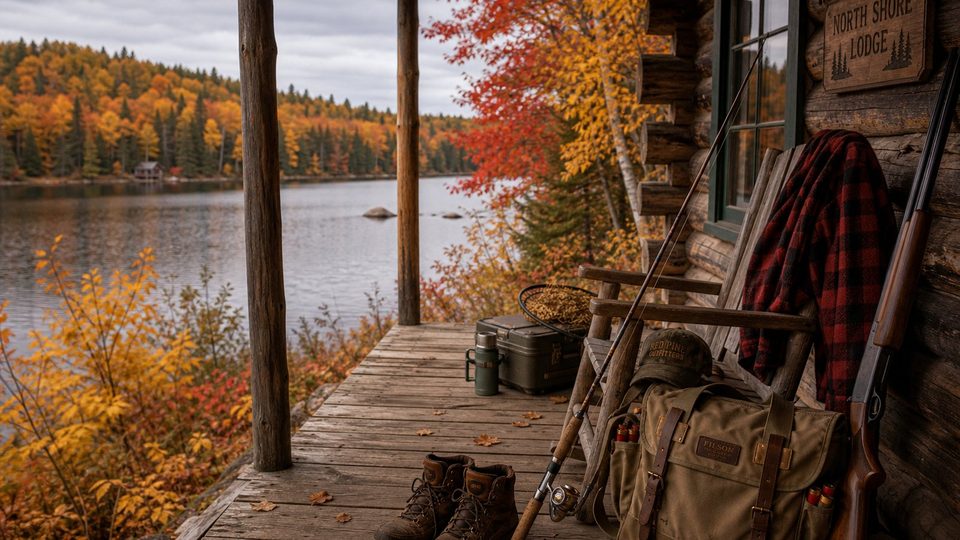
- Full-Service American Plan Lodges: Located on remote northern lakes accessible only by floatplane, these premier lodges provide comfortable private cabins, gourmet chef-prepared meals, daily boat fuel, professional local guides, and daily shore lunches. They are ideal for corporate retreats and anglers seeking total pampering in the wilderness.
- Do-It-Yourself Outpost Cabins: Floatplanes drop your group off at a private cabin on an isolated lake with boats, motors, fuel, propane stoves, and comfortable bunk beds. You bring your own groceries and manage your own fishing schedule, enjoying absolute wilderness privacy.
When you are ready to book your dream adventure for sask fishing, browse verified outfitters, remote fly-in lodges, and professional guides on Zoop.guide. Compare authentic packages, read real angler reviews, and secure your Canadian wilderness trip directly on Zoop.guide.