Fly In Fishing Trips: The Complete Packing, Logistics, and Planning Guide
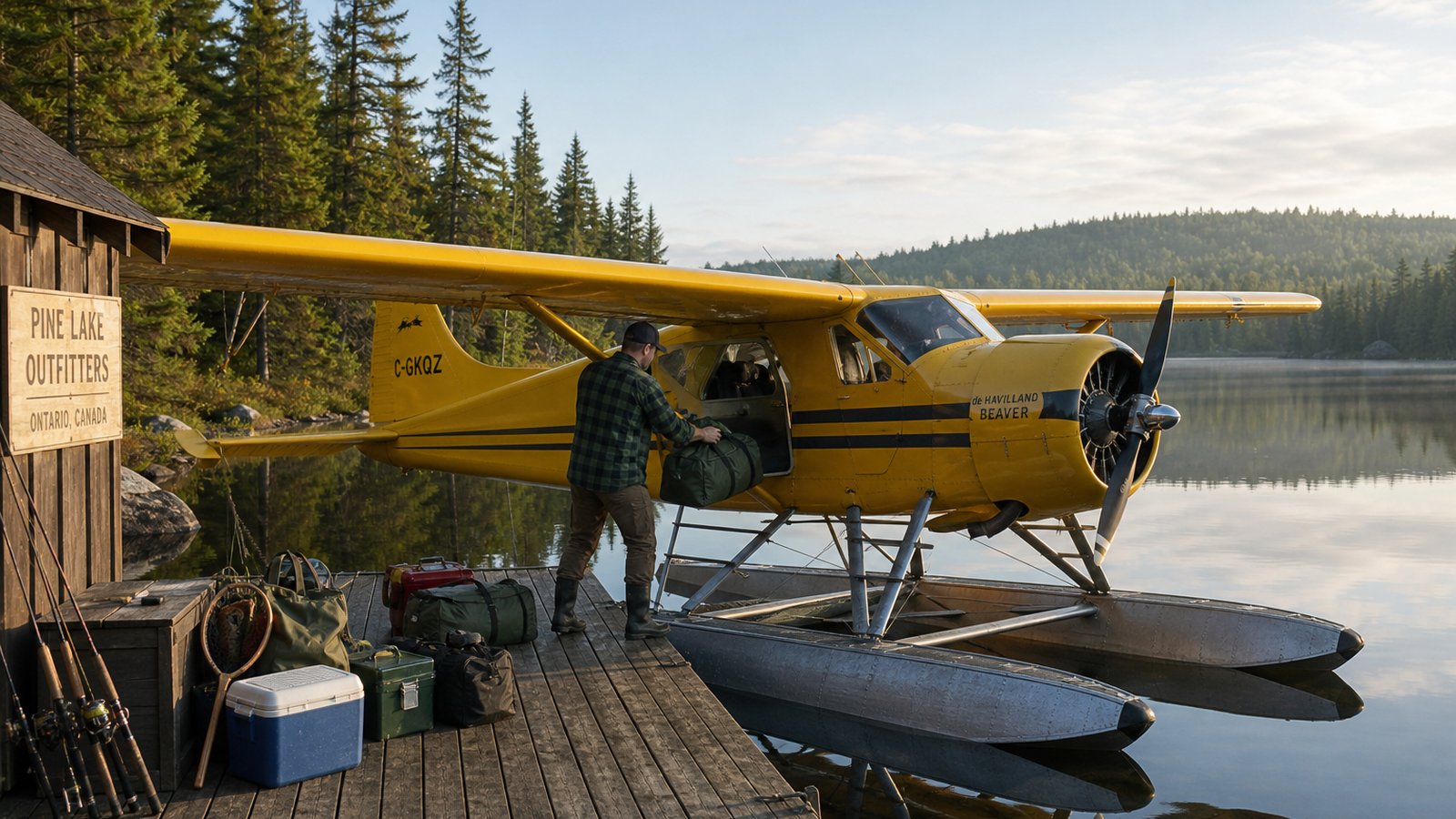
For dedicated anglers seeking untouched waters, fly in fishing trips represent the pinnacle of outdoor adventure. Stepping onto the float of a de Havilland Beaver or Otter and watching paved highways give way to endless boreal forest, crystalline lakes, and rocky granite islands is an experience unlike any other. Flying past the road network places you on secluded lakes where fish have rarely encountered artificial lures and where your party has thousands of acres of pristine water entirely to themselves.
How Fly In Fishing Trips Work in the Wilderness
Fly-in fishing destinations in northern Canada and Alaska operate primarily out of regional floatplane bases such as Kenora, Red Lake, Armstrong, Yellowknife, or Nakina. The operations generally fall into two distinct trip models:
1. American Plan Fly-In Lodges
American Plan lodges provide the ultimate combination of wild fishing and wilderness luxury. Guests stay in private heated cabins equipped with electricity, modern bathrooms, and hot showers. The main lodge serves family-style breakfasts and dinners prepared by professional camp cooks. Each day, experienced local guides take you to productive reefs in fully equipped boats and prepare legendary wood-fired shore lunches on scenic rocky islands.
2. Remote Outpost Cabins
Outpost trips are designed for self-sufficient anglers who want complete privacy. Your floatplane lands at a quiet cabin situated alone on a remote lake. The camp provides sturdy aluminum boats, reliable outboard motors, gasoline, propane refrigerators and stoves, clean bunk beds, and wood-burning stoves. You bring your own groceries, cook your own meals, and navigate the lake at your own pace without seeing another boat all week.
Strict Packing Rules and Floatplane Weight Limits
Floatplanes operate under strict Transport Canada or FAA weight and balance regulations for flight safety. Overpacking is the number one issue confronting first-time fly-in anglers:
- Standard Weight Allowances: Most bush plane operators enforce a strict limit of 40 to 50 pounds of personal gear per angler, including sleeping bags, clothing, tackle boxes, and rod tubes. Outpost trips where guests fly in food and beverages typically allocate 100 to 125 pounds total per person.
- Soft-Sided Duffle Bags Only: Rigid hard-shell suitcases are nearly impossible to pack inside the narrow luggage bays and fuselage contours of small floatplanes. Pack clothing and personal items in flexible, water-resistant duffle bags.
- Multi-Piece Travel Rods: Pack two-piece or three-piece fishing rods inside rigid PVC travel tubes to prevent crushed guides and snapped blanks during aircraft loading and transit.
The Ultimate Fly-In Wilderness Packing Checklist
When you are fifty miles past the nearest road, you cannot run to a tackle shop for forgotten supplies. Pack with intentional discipline:
1. Technical Clothing and Outerwear
Boreal weather can shift from 28°C sunny warmth to 8°C wind-driven rain within hours. Layering is mandatory:
- Heavy-duty breathable rain jacket and bibs (waterproof rating of 20,000mm or higher).
- Moisture-wicking synthetic or merino wool base layers (avoid cotton, which retains moisture and chills the body).
- Mid-layer fleece jacket or packable down vest.
- Waterproof slip-on deck boots or neoprene ankle boots for stepping onto wet docks and slippery rocky shores.
- Polarized sunglasses with a floating neck cord and a wide-brimmed sun hat.
2. Streamlined Tackle Selection
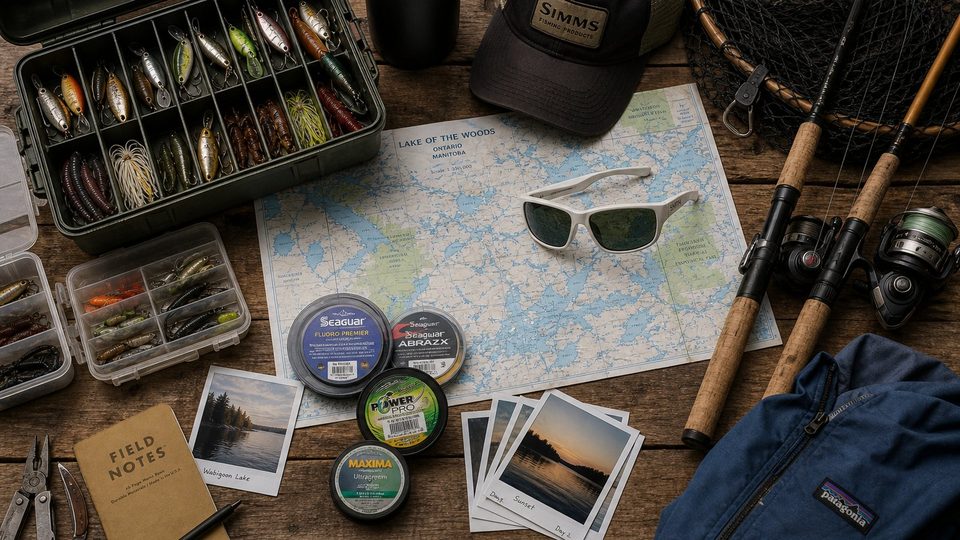
Do not attempt to transport your entire home tackle collection. A compact, modular tackle bag with two or three clear utility boxes is sufficient:
- Walleye Tackle: Assorted 1/4-ounce, 3/8-ounce, and 1/2-ounce lead-head jigs in chartreuse, pink, and white. Paddle-tail soft plastics, twister tails, bottom bouncers with spinner rigs, and deep-running crankbaits.
- Northern Pike Tackle: Heavy casting spoons (Williams Wabler, Daredevle, Five of Diamonds), large in-line bucktail spinners, 6 to 8 inch jerkbaits, and heavy 50-pound single-strand titanium or fluorocarbon leaders.
- Tools and Essentials: Long needle-nose pliers, hook removers, braid scissors, a hook file, jaw spreaders for unhooking big pike, and a soft tape measure.
3. Health, Safety, and Insect Defense
Northern wilderness zones are famous for biting black flies and mosquitoes, especially in June and early July. Come prepared:
- High-concentration DEET or Icaridin insect repellent and lightweight head nets.
- Personal first aid kit with pain relievers, antiseptic wipes, burn ointment, moleskin for blisters, and a personal satellite messenger (such as Garmin inReach) for emergency SOS communications.
Catch and Release Best Practices in Remote Waters
Preserving fragile boreal ecosystems ensures remote waters stay pristine for future generations:
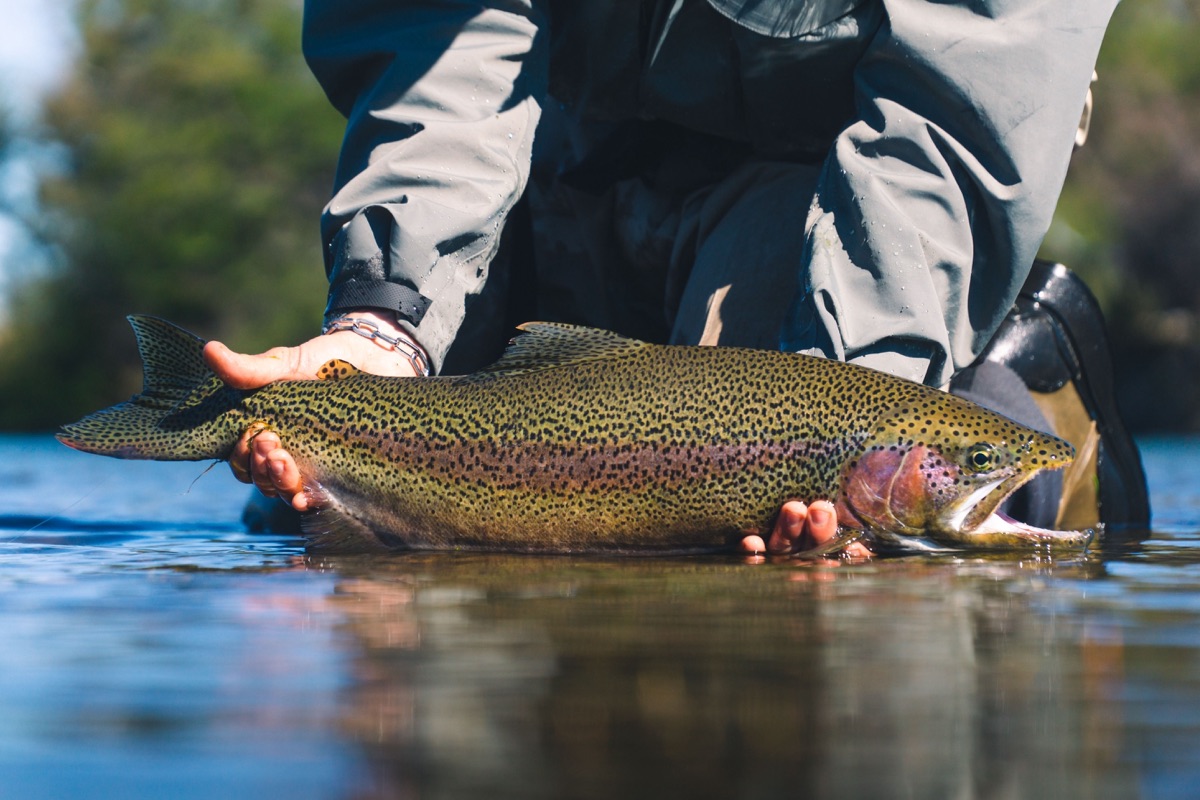
- Keep Fish in the Water: Large northern pike and lake trout suffer stress when held out of the water. Unhook fish inside rubber landing nets while they remain submerged alongside the boat.
- Avoid Vertical Jaw Holds: Never lift a heavy fish by its lower jaw with lip grippers without supporting the belly horizontally. Supporting the full body weight protects the fish's spine and internal organs from permanent damage.
Camp Routine and Daily Life on Fly In Fishing Trips
Life at a remote fly-in camp follows the natural rhythm of sunrise and sunset. Understanding what daily routines look like helps prepare first-timers for the wilderness lifestyle:
- Morning Departure: After a hot camp breakfast, boats leave the dock right at dawn when surface winds are calm. Glassy water allows fast travel across open bays to reach distant river mouths and narrows.
- Managing Fuel and Outboard Motors: At outpost camps, guests are responsible for daily boat operations. Guides and camp managers provide detailed briefings on starting two-stroke or four-stroke outboards, checking fuel mixes, and navigating rocky channels safely.
- Evening Topwater Bite: Northern summers feature long twilight hours. After dinner, heading back out on the water between 8:00 PM and 10:30 PM offers some of the most exciting topwater pike and walleye action of the entire trip as baitfish push toward shallow weedlines.
Conservation Ethics on Remote Waters
Remote fly-in lakes remain world-class fisheries because lodge operators and visiting anglers practice strict conservation. Harvest small, abundant fish (like 15 to 18 inch walleye) for fresh shore lunches, and release all trophy broodstock immediately. Pinch barbs down to speed up unhooking, and handle big fish with care so future generations can enjoy the same extraordinary wilderness action.
When you are ready to book unforgettable fly in fishing trips, explore the vetted wilderness lodges, fly-in outposts, and experienced charter services on Zoop.guide. Review detailed floatplane base logistics, read verified guest testimonials, and book your wilderness dream trip directly on Zoop.guide.