Halifax Deep Sea Fishing: Seasons, Bottom Tackle, and Offshore Tactics
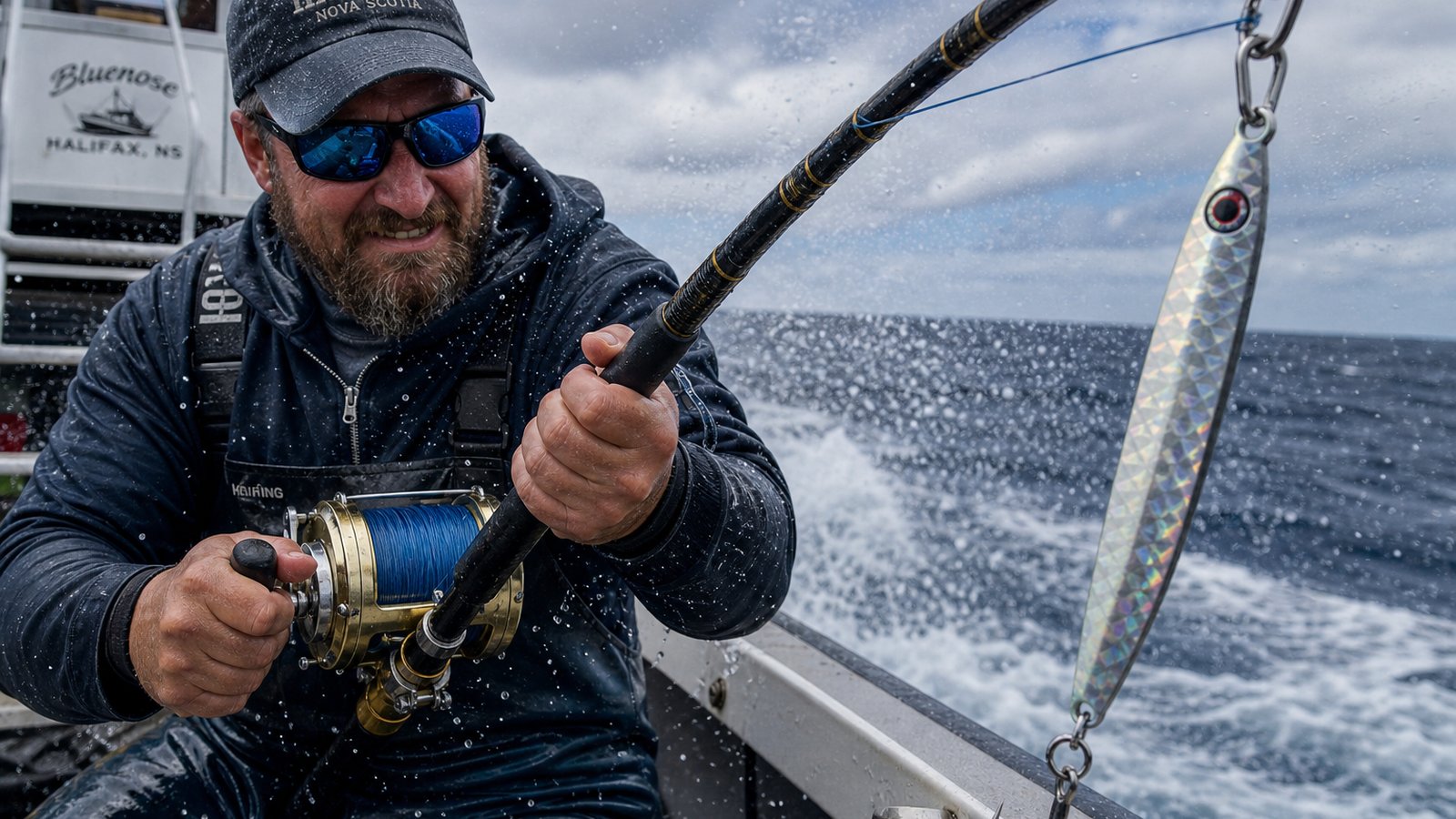
Booking a trip for halifax deep sea fishing connects anglers directly with the rich fishing heritage of Nova Scotia. Far beyond the sheltered calm of the inner harbour lie the rugged ledges and steep underwater drops of Sambro Bank and the Scotian Shelf. Here, cold ocean currents sweep past rock piles and gravel bars, feeding massive schools of groundfish and pelagic predators. Mastering the tackle, rigging, and seasonal timing of these offshore waters is the difference between a sluggish outing and a cooler filled with fresh Atlantic fillets.
Prime Offshore Grounds for Halifax Deep Sea Fishing
Offshore captains operating from Halifax, Dartmouth, and Eastern Passage navigate toward specific geological structures where Atlantic groundfish gather:
- Sambro Bank (15 to 25 Nautical Miles South): The crown jewel of regional deep sea grounds. Depths vary from 150 to over 300 feet along irregular rock ridges and shell flats. Strong bottom currents concentrate sand lance, baby herring, and crabs, creating an ideal buffet for haddock and cod.
- Portuguese Cove and Chebucto Ledges: Closer to shore along the harbour approaches, these underwater drop-offs provide productive drift fishing when heavy offshore swells make longer runs uncomfortable. Excellent holding water for pollock and winter flounder.
- The Shelf Break and Ocean Trenches: Farther offshore where depths plunge past 400 feet, water temperatures shift. During late summer, warm Gulf Stream fingers touch these breaks, attracting pelagic blue sharks, mako sharks, and migrating schools of Atlantic bluefin tuna.
Tackle Setups and Deep-Water Rigs That Work
Fishing in 150 to 300 feet of water against heavy tidal currents requires specialized gear that minimizes line drag while maintaining sensitivity:
1. High-Low Bait Dropper Rigs
The high-low rig is the gold standard for bottom-feeding haddock and cod. Tie two dropper loops on an 80-pound mono or fluorocarbon leader spaced roughly 16 inches apart, with a heavy crosslock snap at the bottom for your sinker.
- Hooks: Use 4/0 to 6/0 circle hooks or baitholder hooks. Circle hooks self-set as the fish pulls away, preventing gut hooks in deep water.
- Baits: Fresh or frozen squid strips, salted herring chunks, and mackerel cut bait stay firm on the hook against aggressive pecks from smaller bait stealers.
- Sinkers: Torpedo sinkers or bank sinkers ranging from 10 to 20 ounces keep your bait firmly anchored along the seabed as the boat drifts across structure.
2. Vertical Metal Jigs and Norwegian Cod Jigs
When aggressive pollock and cod school around underwater pinnacles, vertical jigging provides high-intensity sport. Drop heavy 6 to 12 ounce chrome diamond jigs or curved Norwegian jigs to the bottom. Crank the reel three turns up off the rocks, then lift the rod tip sharply and follow the lure back down on a semi-slack line. Most violent strikes occur on the flutter drop.
3. Shark Chumming and Drift Gear
For pelagic shark charters, captains anchor a mesh chum bag filled with ground mackerel and herring off the stern. The resulting oil slick draws curious blue sharks directly to the boat. Anglers pitch whole mackerel hooked on heavy single-strand wire leaders (at least 6 feet of #10 to #12 piano wire) paired with 50-wide conventional reels spooled with 80-pound braided line.
Seasonal Guide for Halifax Deep Sea Fishing
Understanding what swims in offshore waters across the calendar ensures your trip targets prime seasonal migrations:
- June: Early season offshore. Groundfish rebound on shallower humps. Cod and haddock bites are steady, though North Atlantic fog can be dense and air temperatures cool.
- July: Prime all-around deep sea month. Weather patterns stabilize, sea breezes are warm, and haddock fishing hits top form. Large schools of Boston mackerel enter the harbour, providing unlimited fresh bait.
- August: Peak pelagic season. Blue shark trips run offshore under sunny skies. Haddock remain steady on deeper structure, and giant bluefin tuna begin their late-summer feeding runs.
- September and October: Big fish season. Haddock and pollock pack on weight before winter, feeding voraciously. Bluefin tuna fishing reaches peak intensity for big-game anglers seeking fish weighing between 600 and 1,000 pounds.
Handling Cold Atlantic Currents and Tidal Swells
Offshore banks like Sambro sit directly in the path of colliding ocean currents. Working terminal gear in deep water requires understanding boat drift dynamics:
- Managing Line Angle: Strong winds pushing a boat against deep subsurface currents can cause heavy line scope. If your braided line angles sharply away from the boat rather than hanging near vertical, increase sinker weight to maintain contact with bottom structure.
- Reading Sonar Arches: Modern CHIRP sonar displays bottom hardness and fish location in sharp detail. Haddock appear as tight clusters hugging sandy humps, while pollock show as sweeping streaks suspended ten to thirty feet above submerged boulders.
Preventing Seasickness on Atlantic Waters
Deep sea fishing in the North Atlantic involves ocean swells that can catch even experienced freshwater anglers by surprise. Take proactive measures to keep your day enjoyable:
- Medicate in Advance: Over-the-counter motion sickness medication (dimenhydrinate or meclizine) works best when taken the night before departure and again one hour before boarding. Scopolamine patches behind the ear are popular for full-day charters.
- Stay Above Deck: Being inside an enclosed cabin intensifies motion sickness. Stay outside in the fresh salt air, keep your eyes focused on the distant horizon, and avoid reading phones or tying small fishing knots while looking down.
- Hydration and Clean Snacks: Drink plenty of water and avoid heavy, greasy breakfasts. Ginger ale, plain crackers, and apples settle uneasy stomachs.
Book Your Verified Offshore Charter on Zoop.guide
To experience Halifax offshore fishing safely and successfully, always book with experienced, licensed captains who hold valid commercial marine insurance, Transport Canada safety certificates, and modern radar and sonar electronics.
When you are ready to book halifax deep sea fishing, visit Zoop.guide. Browse verified local charter vessels, check captain credentials, read authentic reviews, and reserve your offshore trip directly on Zoop.guide.