How to Plan a Successful Fishing Trip: Preparation, Gear, and Logistics
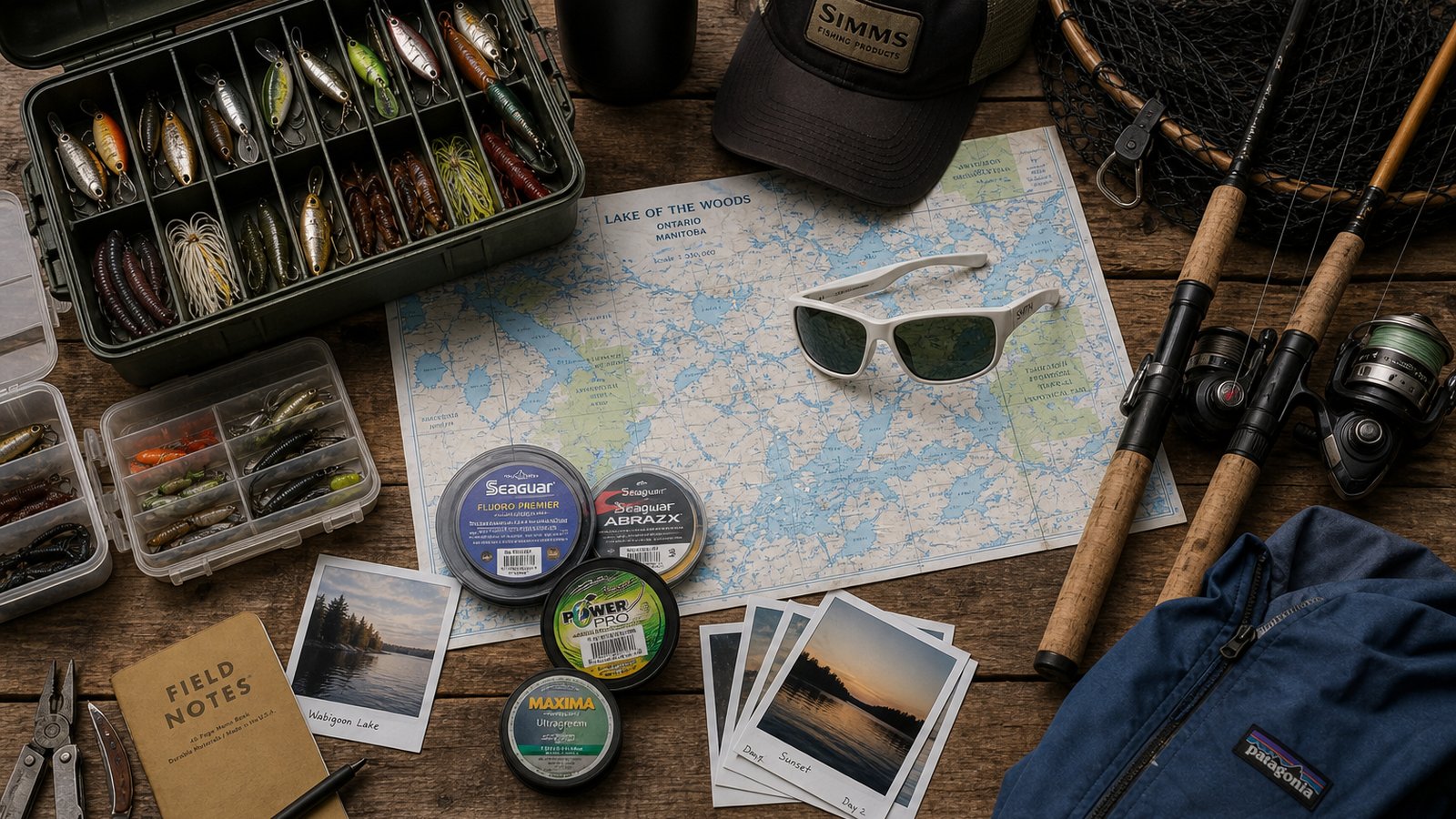
A memorable fishing trip does not happen by accident. Whether you are organizing a weekend float down a backcountry river, heading to a remote shield lake, or booking a coastal offshore charter, thorough preparation separates legendary days on the water from frustrating disappointments. Overlooking basic details like licensing zones, proper clothing layers, or boat reservations can ruin an outing before the first cast. Following a structured planning approach ensures every hour on the water delivers maximum enjoyment.
Step 1: Define Target Species and Seasonal Timing for Your Fishing Trip
The most common mistake anglers make when organizing a trip is choosing a calendar date first without researching peak seasonal bites. Fish are driven by water temperature, spawning runs, and food migrations.
- Spring (Post Ice-Out): Ideal for shallow-water lake trout, aggressive prespawn pike in warming bays, and emerging river insect hatches for rainbow and brown trout. Fish are active in the upper water column where surface temperatures rise first.
- Summer (July and August): Stable weather makes this the prime window for family trips, high alpine cutthroat lakes, deep-water trolling for salmon and walleye, and offshore saltwater groundfish. Early morning and late evening bites are most productive.
- Autumn (September and October): Premier timing for trophy fish. Walleye feed heavily before winter, big brown trout enter spawning runs, and giant pelagics like bluefin tuna feed aggressively along coastlines to pack on weight.
Step 2: Research Local Regulations and Required Permits
Never assume regulations in a new territory match your home waters. Every province, state, and conservation district enforces strict wildlife codes designed to protect regional fisheries:
- Valid Licenses: Secure all necessary non-resident or resident sport fishing licenses online well in advance. Print physical copies if you are traveling to backcountry zones without cell coverage.
- Special Tags and Stamps: Certain species require specific harvest tags or conservation stamps (such as salmon endorsements, walleye tags, or trophy tags). Ensure you understand draw deadlines and tagging protocols.
- Sanctuary Zones and Tackle Restrictions: Confirm whether your destination mandates single barbless hooks, artificial lures only, or bait bans. Fines for using treble hooks or live bait in restricted catch-and-release waters are severe.
Step 3: Gear, Packing, and Weather Preparation
When packing for a multi-day outing, focus on functional essentials that protect you from changing elements. Hypothermia and sunburn are the two biggest threats to an enjoyable day outdoors.
Essential Clothing System
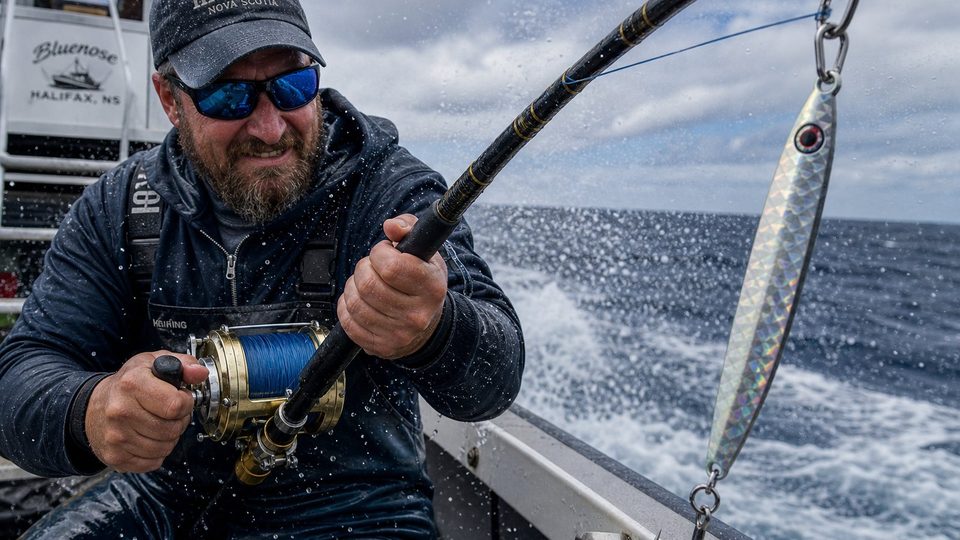
Dress using a three-layer system. Start with a breathable synthetic or merino wool base layer that wicks perspiration away from your skin. Add an insulating fleece or packable down mid-layer for cool mornings. Finish with a heavy-duty, breathable waterproof jacket and bibs. High-quality rain gear keeps you fishing comfortably through passing squalls when the bite often peaks, rather than retreating to shelter.
Polarized Eyewear and Sun Protection
Polarized sunglasses are not just an accessory; they are critical fishing equipment. They cut through surface water glare, allowing you to spot cruising fish, see submerged boulders and timber, and track your lure during retrieval. They also provide vital eye protection against flying hooks and sinkers. Pair them with broad-spectrum sunscreen, UPF-rated sun hoodies, and a brimmed hat.
Tackle Organization and Spares
Inspect all lines and knots before packing. Strip old, brittle monofilament and spool fresh line. Tie new fluorocarbon leaders and sharpen hook points with a file. Pack essential tools in a waterproof dry bag: needle-nose pliers, split-ring pliers, braid scissors, a tape measure, hook sharpener, and a compact digital scale.
Step 4: DIY Versus Booking a Professional Guide
Anglers often weigh the cost of towing their own boat versus hiring a licensed local guide. For waters you fish every weekend, DIY makes sense. However, when exploring new destination waters, booking a guide is the most cost-effective way to guarantee success.
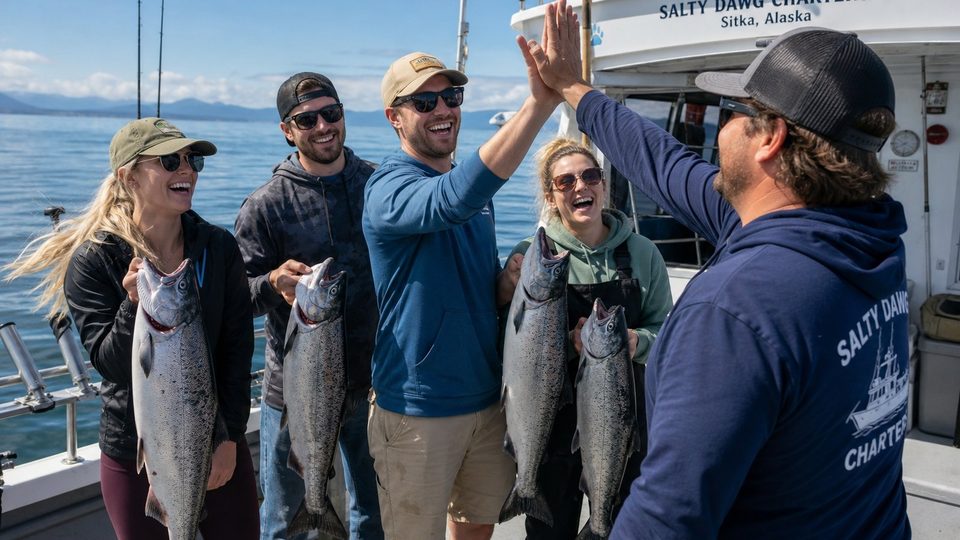
A professional charter provides fully rigged boats, high-end electronics, fuel, tournament-grade tackle, and daily local insight. Instead of spending half your trip scanning charts, finding boat ramps, and testing empty water, you start catching fish on your very first drift. You also gain hands-on instruction in local techniques that you can apply to future trips.
Step 5: Group Coordination and Etiquette
If you are traveling with friends or family, establish clear expectations before leaving home:
- Agree on Target Species and Schedule: Ensure everyone in the group agrees on departure times, target fish, and preferred styles of fishing (such as casting vs. trolling).
- Divide Shared Responsibilities: Assign roles for food prep, navigation, boat ramp duties, and clean-up.
- Safety First: Make sure everyone knows where safety gear is stowed and review emergency procedures before launching.
- Catch Care and Storage: If you plan to keep legal fish for the table, bring a high-capacity cooler with clean crushed ice. Bleeding and icing fish immediately preserves fillet quality.
Step 6: Fish Preservation and Transport Logistics
If you intend to harvest legal fish for the table, your catch care starts immediately after the fish reaches the net. High summer temperatures degrade fillet texture in minutes if fish are left in warm livewells or buckets:
- Immediate Bleeding and Icing: Cut the gill arch of your target fish immediately to bleed the flesh cleanly. Transfer the fish into a heavy-duty marine cooler packed with crushed ice or an ice-water slush. Chilling the fish rapidly stops bacterial growth and produces firm, pure white fillets.
- Vacuum Sealing and Freezing: When processing fish at camp or the cabin, pat fillets dry with paper towels before vacuum sealing in heavy commercial bags. Freezing flat allows tight packing inside airline coolers.
- Airline Flying Regulations: Transporting fish on commercial flights requires leak-proof coolers without loose wet ice. Use frozen gel packs or solid block ice wrapped in sealed plastic, keeping total baggage weight within airline baggage allowances.
Step 7: Backcountry Communication and Safety Gear
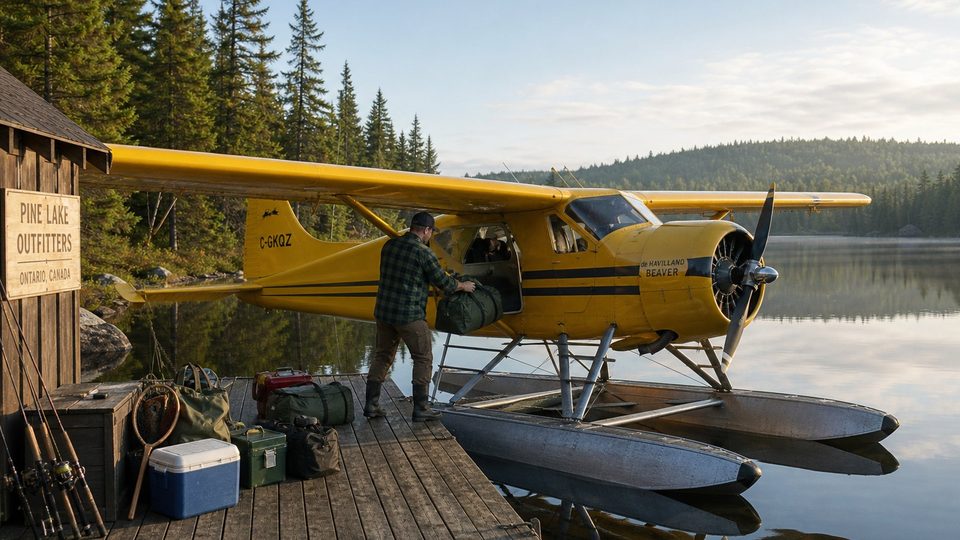
Many premier fishing destinations in North America have zero cellular service. When traveling to remote shield lakes or alpine rivers, carry reliable emergency gear:
- Two-Way Satellite Messengers: Devices like the Garmin inReach or ZOLEO allow you to check in with family, receive real-time weather forecasts, and trigger emergency SOS responses if a boat motor fails or someone requires medical assistance.
- Comprehensive Remote First Aid Kit: Pack trauma bandages, waterproof tape, antiseptic ointments, split splints, tweezers, burn dressings, and antihistamines for sudden insect stings.
Booking Your Charter Ahead of Time
Prime dates during peak runs fill up months in advance. Booking early secures the best tides and the most experienced local captains rather than settling for whoever has an opening left on the dock.
When you are ready to turn your dream fishing trip into reality, head over to Zoop.guide. Search hundreds of top-rated guides across Canada and the United States, verify vessel details, check real calendar availability, and book your trip with total peace of mind on Zoop.guide.