Fly In Fishing Trips Ontario: Remote Outposts, Shield Waters, and Trophy Pike
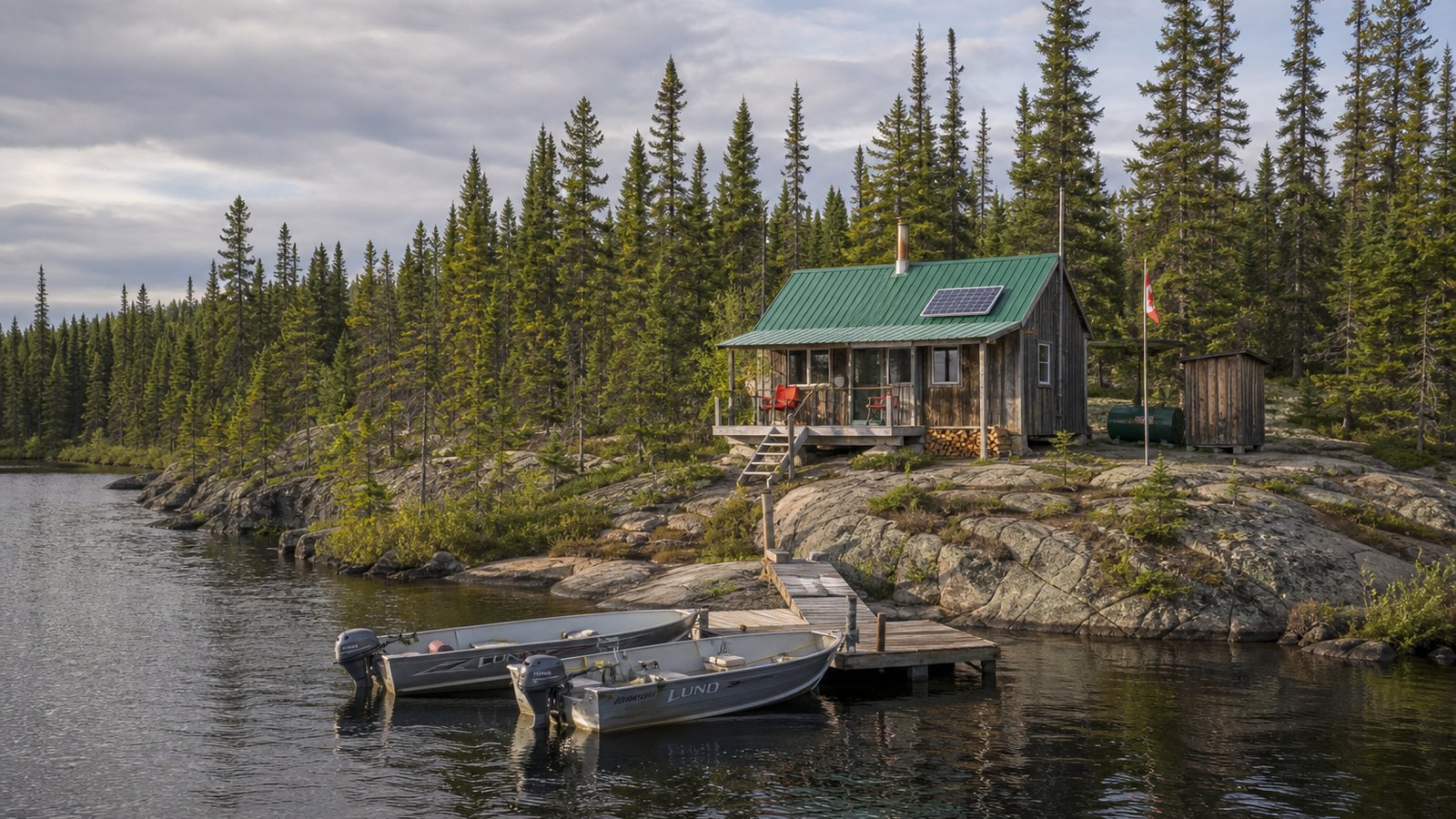
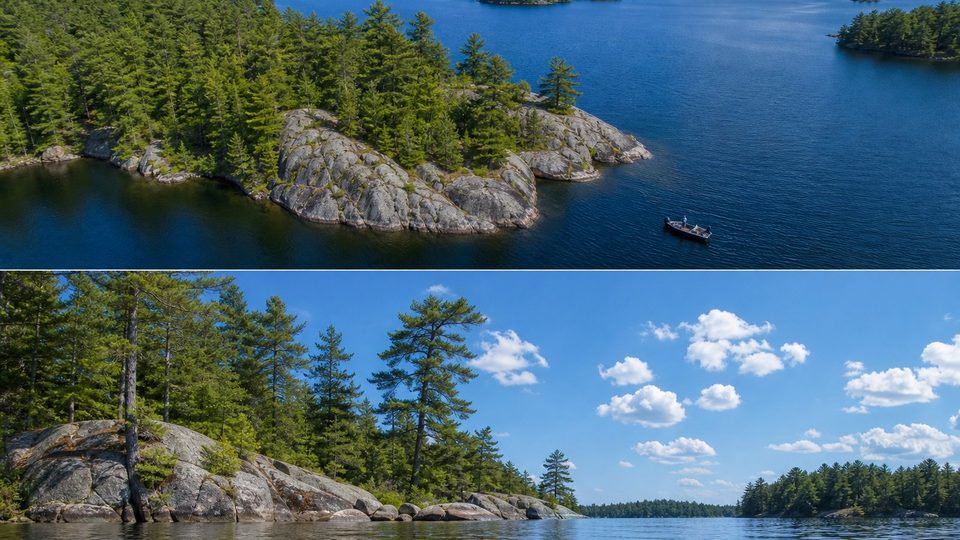
For anglers who crave untouched Canadian wilderness and non-stop action, booking fly in fishing trips ontario is the gold standard of freshwater adventure. Leaving highways and crowded boat launches behind, you board a classic de Havilland Beaver or Turbine Otter floatplane and soar north over the endless granite and spruce forests of the Canadian Shield. Touching down on a pristine lake where your cabin is the only human presence for twenty miles offers unmatched solitude and phenomenal sport fishing.
Top Floatplane Bases for Fly In Fishing Trips Ontario
Northwestern and northeastern Ontario serve as the gateway to the remote north, with several historic aviation hubs launching wilderness floatplanes:
1. Red Lake and Ear Falls
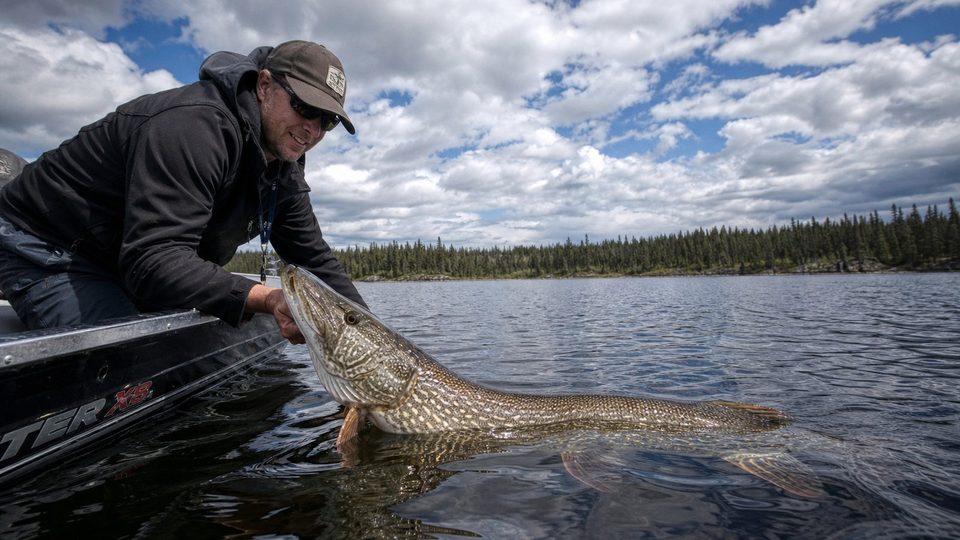
Known as the floatplane capital of Ontario, Red Lake provides air access to the legendary waters of the far north, including Woodland Caribou Provincial Park and the Albany River watershed. Outposts here sit on pristine lakes holding giant northern pike exceeding 45 inches and unpressured walleye that strike aggressively all day long.
2. Kenora and Sunset Country
Operating out of Kenora, Nestor Falls, and Dryden, air services fly guests into isolated shield lakes throughout the English River system and Wabakimi wilderness. Anglers enjoy multi-species action for smallmouth bass, lake trout, walleye, and monster muskie on waters accessible only by air.
3. Nakina and Armstrong (Superior North)
Located north of Thunder Bay, Nakina and Armstrong are famous for accessing wild boreal watersheds flowing toward James Bay, such as the Ogoki River. These remote waters produce world-class native brook trout, trophy lake trout, and prolific walleye fisheries that have seen virtually zero commercial or road development.
Choosing Your Outpost Style: Wilderness Solitude vs. Full Service
Fly-in trips in Ontario cater to different travel preferences:
- Remote Fly-In Outposts: Your group has exclusive use of a private lakeside cabin on a secluded lake. The outpost provides 14 or 16 foot aluminum boats with modern outboard motors, fuel, propane stoves, solar lighting, hot showers, and comfortable bunks. You bring your groceries and tackle, set your own schedule, and enjoy total wilderness independence.
- Full-Service American Plan Fly-In Lodges: Ideal for corporate trips and anglers who prefer full luxury. Enjoy private guest cabins, chef-prepared dining in the main lodge, daily boat cleaning, professional local guides, and legendary midday shore lunches prepared on scenic granite islands.
Strict Packing Rules and Weight Restrictions
Bush planes operate under strict Transport Canada aviation weight regulations for safety:
- Standard Baggage Limits: Most operators enforce a 40 to 50 pound limit per passenger for personal baggage (clothing, sleeping bag, and tackle). For outpost camps where food is flown in, total payload allowances typically range from 100 to 125 pounds per person.
- Pack in Soft Duffle Bags: Hard-shell suitcases cannot be molded into the tight fuselage storage compartments of a floatplane. Use durable, water-resistant canvas or nylon duffle bags.
- Rod Tubes: Pack two-piece or multi-piece fishing rods in hard-sided PVC travel tubes to prevent crushed guides and snapped blanks during loading and flight.
Essential Tackle Selection for Ontario Fly-In Lakes
Because you cannot visit a local tackle shop once your plane departs, pack a focused selection of proven lures:
- Walleye Jigs and Plastics: Bring 1/4-ounce, 3/8-ounce, and 1/2-ounce ball-head jigs in chartreuse, white, pink, and orange. Pair them with 3-inch and 4-inch curl-tail grubs and paddle-tail swimbaits. Bottom bouncers with spinner rigs work wonders when walleye slide into 18 to 25 foot basins.
- Pike Hardware: Heavy casting spoons (Williams Wabler in gold and silver, Daredevle red-and-white, Five of Diamonds), large in-line bucktail spinners, and suspending jerkbaits. Carry at least a dozen 12-inch 50-pound titanium or fluorocarbon leaders to prevent bite-offs from razor-sharp pike teeth.
- Tackle Tools: Long needle-nose pliers, hook spreaders, a ceramic hook sharpener, braid cutters, and a flexible tape measure.
Floatplane Departure Etiquette and Safety
Flying into the northern Canadian wilderness requires following established aviation protocols:
- Arrive Early at the Air Base: Report to the floatplane dock at least one hour before scheduled departure. Ground crew need time to weigh personal baggage, check balance distribution, and load aircraft floats securely.
- Observe Weather Delays Patiently: Bush pilots fly under visual flight rules (VFR). If northern low ceilings, heavy fog, or thunderstorms delay your flight, accept the wait with patience. Pilot judgment is what keeps backcountry aviation safe.
- Life Jackets During Boarding: Wear approved inflatable or foam PFDs while boarding the aircraft floats and remain seated with seatbelts fastened until the aircraft comes to a complete stop at the camp dock.
Outpost Cabin Self-Sufficiency and Emergency Prep
At an isolated outpost camp, your group is completely self-reliant:
- Water Purification and Camp Stoves: Outpost cabins feature lake-water intake lines or gravity-fed cisterns. Boil water or bring certified filtration pumps for drinking. Check that propane stove valves are secure and wood stoves have clean flues.
- Satellite Emergency Devices: Always verify that the camp satellite phone or two-way messenger (such as Garmin inReach) has battery charge and test satellite connection upon arrival.
Grocery and Meal Planning for Remote Outposts
Proper food planning is critical when staying at an isolated outpost cabin where there are no grocery stores for miles:
- Pre-Freezing and Heavy Coolers: Pre-freeze all meats, steaks, and bacon solid before packing them in heavy-duty commercial coolers. Solid frozen blocks stay cold for days inside a sealed cooler, reducing the amount of loose ice required.
- Dry Goods and Camp Staples: Pack versatile staples in rodent-proof plastic totes: pancake mix, cooking oil, potatoes, onions, canned beans, shore lunch seasoning flour, coffee, and paper towels.
- Fresh Fish Diet: Plan to incorporate fresh walleye and pike into several camp meals. Freshly caught fish fried at midday or grilled over evening embers saves space in your food coolers.
Conservation Ethics on Fly-In Waters
Ontario's fly-in fisheries remain legendary because lodges and anglers treat them with care. Practice catch-and-consume on small, abundant walleye (15 to 18 inches) for unforgettable shore lunches, and release all trophy broodstock immediately. Pinch barbs down to speed up unhooking, keep fish wet while handling, and return them gently to the water.
When you are ready to book life-changing fly in fishing trips ontario, turn to Zoop.guide. Discover verified fly-in lodges, remote outpost camps, and professional floatplane outfitters, check transparent package rates, and book your northern Canadian adventure directly on Zoop.guide.