Fishing Trips Ontario: Top Waterways, Target Species, and Outpost Lodges
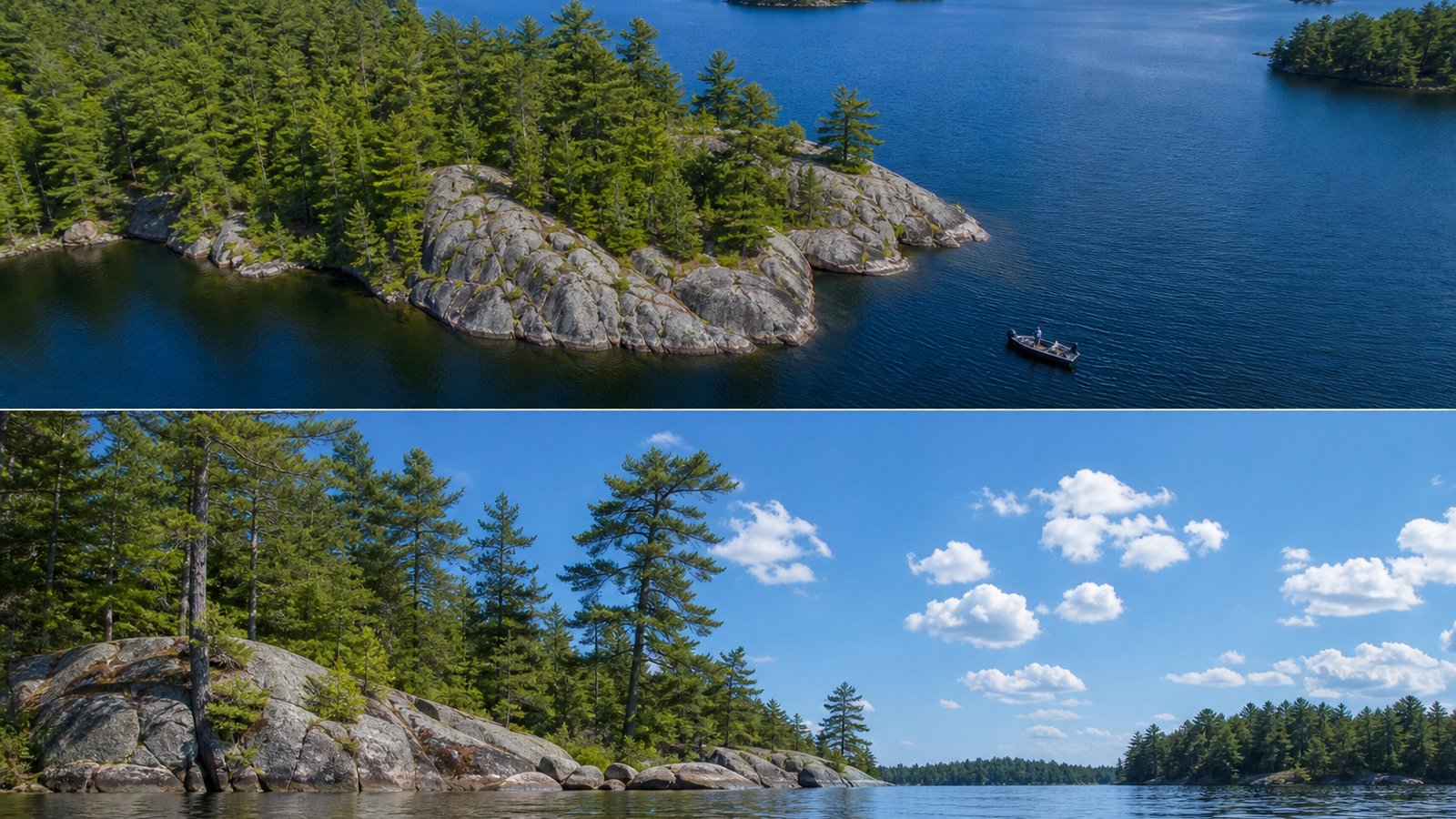
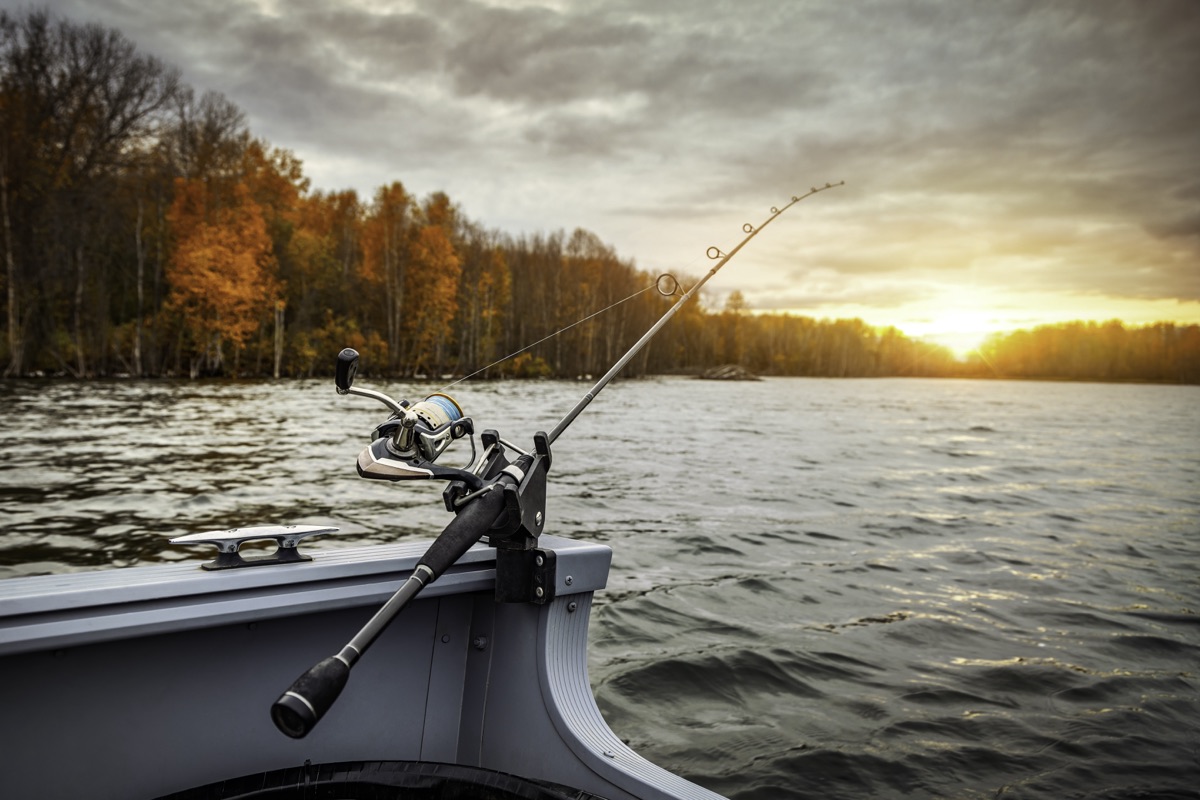
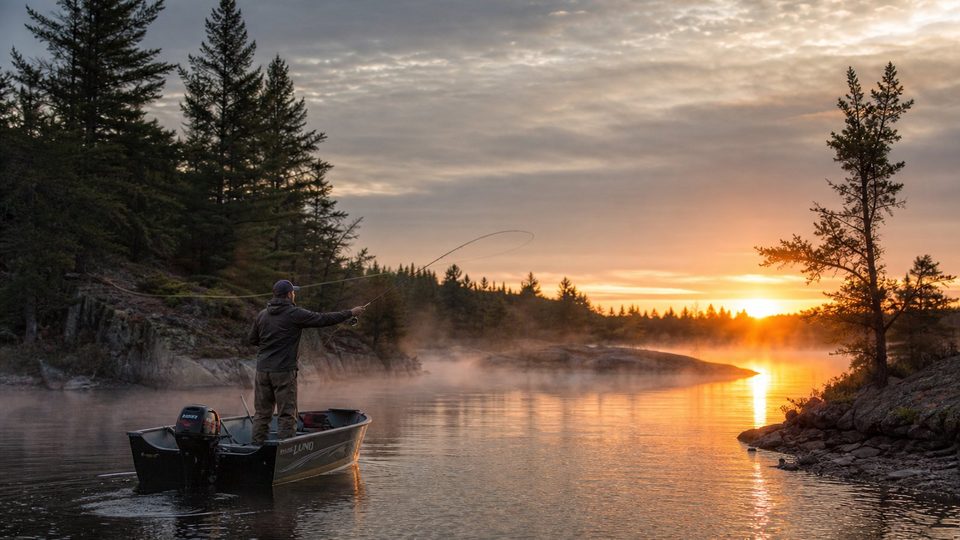
Planning memorable fishing trips ontario means tapping into one of North America's premier freshwater playgrounds. With more than 250,000 lakes and over 100,000 kilometers of rivers, Ontario holds roughly one-fifth of the world's fresh water. Anglers travel here from across the globe to chase trophy walleye, acrobatic smallmouth bass, vicious northern pike, prehistoric muskie, and deep-dwelling lake trout. Choosing the right region, lodging style, and seasonal window is the key to an unforgettable northern expedition.
Top Regions for Fishing Trips Ontario
Ontario's vast landscape is divided into distinct angling zones, each offering unique topography, boat access, and species concentrations:
1. Sunset Country and Lake of the Woods (Northwest Ontario)
Covering nearly one million acres and boasting over 14,000 islands, Lake of the Woods is a multi-species empire. Northwest Ontario also includes famous waters like Lac Seul, Eagle Lake, and the English River system. Anglers find world-record caliber muskie, endless walleye reefs, and shallow backwater bays teeming with heavy northern pike. Drive-to resorts and fly-in outpost cabins offer unmatched wilderness comfort.
2. Algoma Country and Superior North
Dominated by ancient granite cliffs and cold boreal forests, Algoma offers wild river float trips and rugged lake fishing. The region is famous for trophy coaster brook trout along Lake Superior's rocky shores, lake trout in deep interior waters, and aggressive river-run salmon and steelhead in rivers like the St. Marys rapids.
3. Northeastern Ontario and the French River System
Connecting Lake Nipissing to Georgian Bay, the French River is Canada's first designated Heritage River. Its rocky gorges, island mazes, and rapids hold exceptional populations of trophy muskie, walleye, and bronzeback smallmouth bass. Drive-to lodges along the French River, Lake Temagami, and Lake Nipissing make this region easily accessible for week-long group getaways.
4. Central Ontario and Kawartha Lakes
Located just a few hours north of Toronto, the Kawartha Lakes, Haliburton Highlands, and Muskoka regions provide exceptional drive-to action for largemouth bass, smallmouth bass, and walleye. Weed-choked bays, boat docks, and shallow humps make this an ideal playground for tournament bass techniques and family fishing holidays.
Premier Target Species in Ontario Waters
Ontario's fisheries management zones (FMZs) provide detailed guidelines on size limits and seasons for primary gamefish:
- Walleye: The foundation of Ontario fishing culture. Fish deep current breaks, gravel bars, and cabbage weedlines with 1/4-ounce lead jigs tipped with live minnows, worms, or soft plastics. Evening trolling with deep-diving crankbaits accounts for massive trophy fish.
- Smallmouth Bass: Ontario is universally celebrated for bronzeback bass that fight with bulldog tenacity. Target submerged boulder fields, rocky shoals, and wind-blown points using Ned rigs, drop-shot setups, tubes, and topwater walking baits.
- Muskellunge (The Fish of 10,000 Casts): Ontario waters produce some of the heaviest muskie on earth. Casting large double-ten bucktails, heavy rubber bulldawgs, and oversized glide baits near steep drop-offs demands stamina and heavy tackle. Always execute a wide figure-eight motion at boat side before lifting your lure.
- Northern Pike: Aggressive and plentiful, pike lurk around shallow wild rice beds and weed edges in early summer before moving to deep cabbage beds in August. Cast weedless spoons, jerkbaits, or large spinners on heavy wire leaders.
Choosing Your Trip Style: Drive-To Lodge vs. Fly-In Outpost
Ontario offers lodging options suited for every budget and desired level of wilderness immersion:
- Full-Service Drive-To Resorts: Accessible by standard passenger vehicles, these resorts offer cozy lakefront cabins, marina docks, boat rentals, dock hands, and American Plan dining. They are ideal for families, first-time Canadian travelers, and groups seeking reliable convenience.
- Remote Fly-In Outpost Cabins: Board a classic de Havilland Beaver or Otter floatplane and fly north past the end of the road system. Fly-in cabins sit alone on private lakes where your group has thousands of acres of water entirely to yourselves. You operate reliable camp boats with outboard motors, cook your own fresh walleye shore lunches, and experience complete boreal solitude.
The Tradition of the Canadian Shore Lunch
No Ontario fishing trip is complete without the legendary shore lunch. Around midday, your guide pulls the boat onto a flat granite island or sheltered pine grove. While guests relax, the guide builds a wood fire or fires up a propane cooker, fillets fresh morning walleye, coats them in seasoned flour or cornmeal, and fries them in hot oil alongside cast-iron skillet potatoes, baked beans, and sweet onion slices. It is widely considered the ultimate meal in the outdoors.
Tackle and Rod Recommendations for Ontario Species
Because Ontario offers diverse multi-species angling, carrying balanced rod setups prevents frustration on the water:
- Walleye Jigging Setup: A 6-foot-6 to 7-foot medium-power, fast-action spinning rod paired with a 2500-size reel, spooled with 10-pound braided line and an 8-pound fluorocarbon leader. This combination provides sensitivity to feel light walleye bites in deep current.
- Smallmouth Bass Finesse Setup: A 7-foot medium-light spinning rod built for drop-shotting, Ned rigs, and tubes. Pair it with 8-pound fluorocarbon line for transparent presentations in gin-clear shield water.
- Muskie Casting Gear: An 8-foot-6 to 9-foot extra-heavy casting rod rated for lures weighing 4 to 12 ounces. Use a high-capacity baitcasting reel spooled with 80-pound or 100-pound braided line, terminated with a 130-pound fluorocarbon leader to withstand violent strikes and razor-sharp teeth.
Navigating Canadian Shield Waterways Safely
Northern Ontario lakes are carved into ancient granite, creating underwater hazard reefs, unmarked sunken boulders, and shallow gravel humps:
- Modern GPS Mapping: Never run a boat at full throttle on unfamiliar waters without an accurate GPS chartplotter loaded with bathymetric depth contours. Running across unmarked rock reefs can destroy lower units in an instant.
- Polarized Sunglasses for Boat Drivers: Drive while wearing quality polarized eyewear. Submerged granite shoals often appear as light amber or bronze patches beneath the surface, giving drivers time to steer clear.
Essential Regulations and Outdoors Cards
All non-resident and resident anglers in Ontario must possess an Ontario Outdoors Card paired with an active fishing license tag (either a Sport Fishing License for full limits or a Conservation License for reduced harvest limits). Practice proper catch-and-release on trophy broodstock, use barbless hooks when possible, and follow specific sanctuary boundaries outlined in Ontario's annual fishing summary.
When you are ready to book your premier fishing trips ontario, use Zoop.guide to explore verified fishing lodges, professional charter captains, and certified river guides. Read authentic angler reviews, compare comprehensive package inclusions, and book directly on Zoop.guide.