Sockeye Salmon BC: River Migration Cycles, Bottom Bouncing, and Fly Tactics
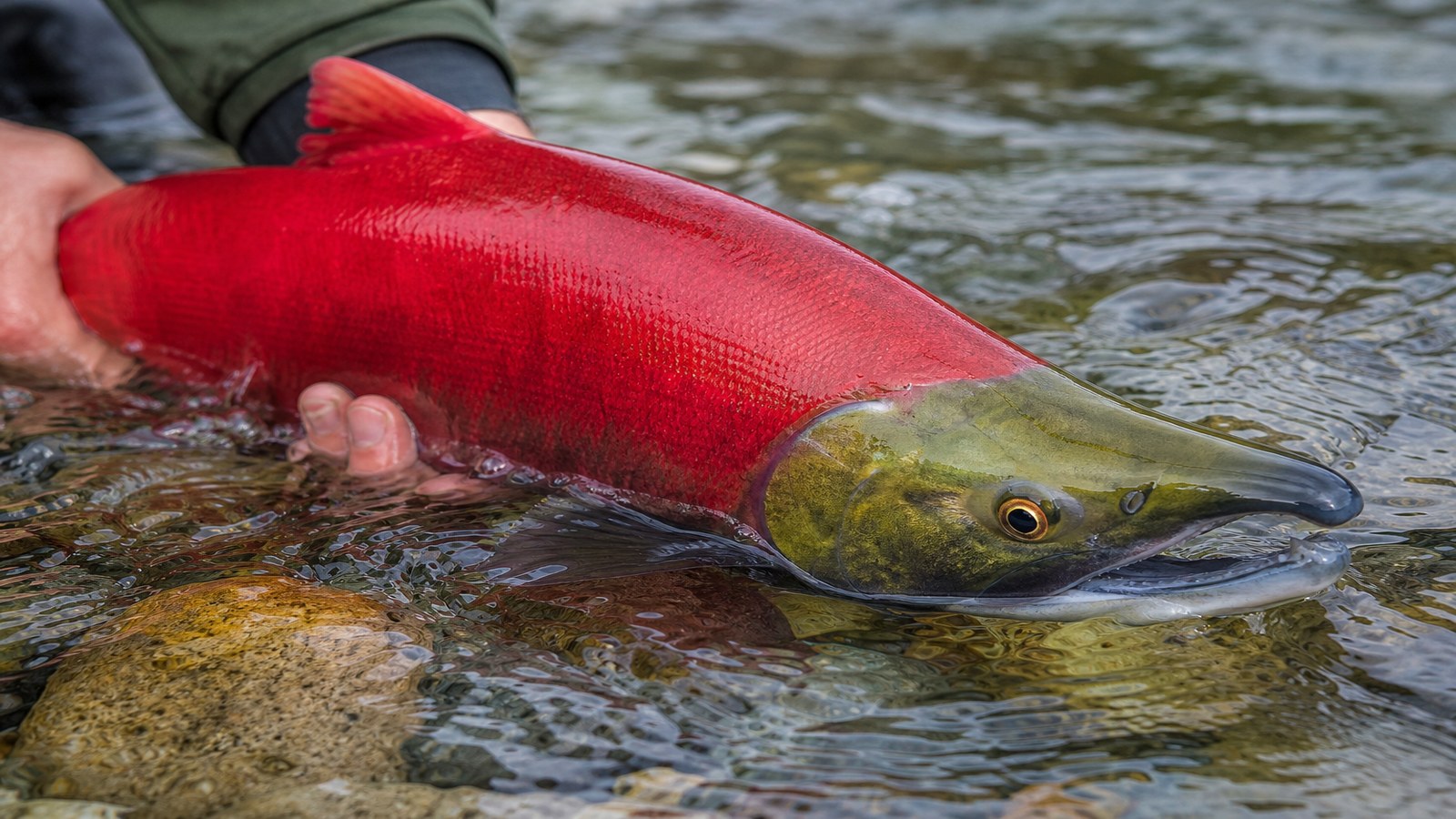
Prized across the culinary and sport fishing worlds for their vibrant crimson fillets and rich oil content, catching wild sockeye salmon bc is an extraordinary Canadian angling experience. Each summer, millions of sockeye migrate from Pacific feeding grounds into British Columbia's coastal rivers, embarking on upstream journeys of up to a thousand kilometers to spawn in interior lakes and gravel beds. For sport anglers, understanding run timing, migration routes, and specialized river presentations is the key to enjoying fast action on these hard-fighting salmon.
Understanding Sockeye Salmon BC Run Cycles and Biology
Sockeye salmon follow complex biological cycles that make timing your trip essential:
The Four-Year Dominant Run Cycle
Most Fraser River sockeye operate on a strict four-year lifecycle. Every fourth year represents a dominant run year, where tens of millions of sockeye flood the watershed. Sub-dominant years also produce strong returns, while off-years feature smaller numbers. The Adams River run near Chase in the Shuswap Lake region is the most famous example of this dominant four-year cycle, drawing visitors and anglers from around the world.
Physical Transformation During the Migration
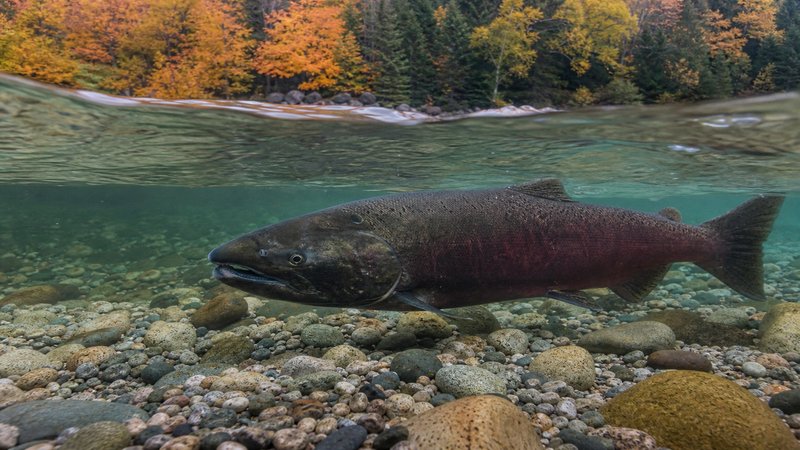
In the ocean, sockeye are sleek, silver torpedoes with blue-green backs. As they enter freshwater rivers and travel inland, their bodies transform dramatically. Male sockeye develop pronounced hooked jaws (kypes) and humpbacked profiles, while their scales turn a brilliant scarlet red and their heads turn olive green.
Top Rivers for Targeting Sockeye Salmon in BC
British Columbia features several premier river systems that host major sockeye returns:
1. The Lower Fraser River (Chilliwack to Hope)
The mainstem Fraser River is the primary highway for the vast majority of BC's sockeye run. From late July through August, migrating pods hug the river's rocky shorelines and gravel bars to stay out of the powerful central current. Anglers line up along accessible gravel bars such as Peg Leg, Island 22, and the mouth of the Vedder River, fishing with specialized river rigs.
2. The Skeena and Nass Rivers
In northern British Columbia, the Skeena River system supports wild sockeye runs bound for Babine Lake and other sub-boreal lakes. Babine Lake sockeye represent one of the largest wild sockeye runs in Canada, offering wilderness angling amidst rugged northern mountains.
3. Vancouver Island: Stamp and Somass Rivers
The Somass River watershed flowing into Port Alberni on Vancouver Island provides consistent sockeye action in June and July. Anglers fish from boats in the tidal estuary or wade river gravel bars in the freshwater river system.
Proven Techniques for Sockeye in River Currents
Because sockeye feed almost exclusively on zooplankton and small krill in the ocean, they rarely bite standard spoons or lures once in freshwater. Anglers rely on specialized techniques designed for river flows:
1. Bottom Bouncing (Flossing) in Swift Current
The standard method along the Fraser River is bottom bouncing. Anglers cast a long, specialized rig upstream into the current:
- Terminal Rigging: A sliding pencil lead weight (typically 1.5 to 3 ounces) attached to a three-way swivel, followed by an 8 to 12-foot monofilament leader (15 to 20-pound test) and a barbless hook dressed with a small piece of brightly colored yarn (chartreuse, pink, or orange).
- The Drift: The current sweeps the weight along the riverbed, while the long leader stretches across the current line. As traveling sockeye swim upstream with their mouths open to breathe in oxygenated water, the leader enters the mouth, resulting in a solid hookset.
2. River Fly Fishing in Clear Tributaries
In clearer waters like the Somass or Babine rivers, fly anglers swing sparse, unweighted patterns such as red or green woolly buggers, comet flies, or small krill patterns on sink-tip lines through slow-moving pools where sockeye pause to rest.
Proper Field Dressing and Fillet Care
Sockeye salmon possess rich, delicate fat stores that spoil quickly in warm summer weather. Preserving table quality requires immediate attention:
- Bleed Immediately: Cut the gill arches right after landing the fish and let it bleed out completely in clean river water.
- Pack in Clean Ice: Keep whole fish in a cooler filled with crushed ice. Avoid letting fish soak in warm melted freshwater.
- Clean Filleting: Vacuum-seal boneless skin-on fillets and freeze them quickly to preserve prime flavor and texture.
DFO Regulations, In-Season Openings, and Conservation
Sockeye salmon are managed closely by Fisheries and Oceans Canada (DFO) to ensure adequate spawning escapement:
- In-Season Openings: Recreational retention openings are announced in real time based on test-fishery counts. Always check current DFO fishery notices before heading to the river.
- Strict Quotas and Barbless Hooks: When retention is permitted, daily possession limits are strictly enforced. All hooks must be single and barbless.
- Clean Handling and Dispatch: Sockeye intended for the table should be bled immediately and placed on ice to preserve fillet firmness and quality.
Booking a Professional Guide on Zoop Guide
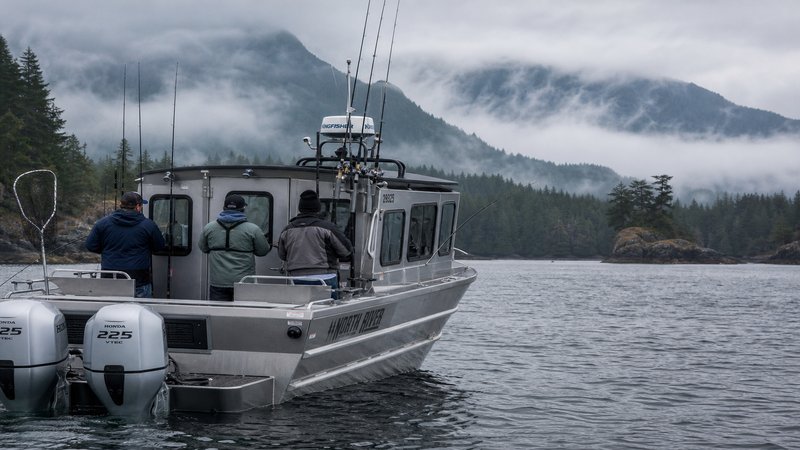
River wading on big waters like the Fraser River requires careful attention to shifting water levels and strong currents. Booking an experienced local jet-boat guide through Zoop.guide provides safe access to remote gravel bars away from crowded road-access spots, along with proper tackle and rigging expertise.
When you are ready to target world-famous sockeye salmon bc, discover verified local river guides on Zoop.guide. Compare trip rates, read authentic reviews, and book your Canadian salmon adventure directly on Zoop.guide.