Deep Sea Fishing: The Ultimate Offshore Angler Guide to Tactics and Charters
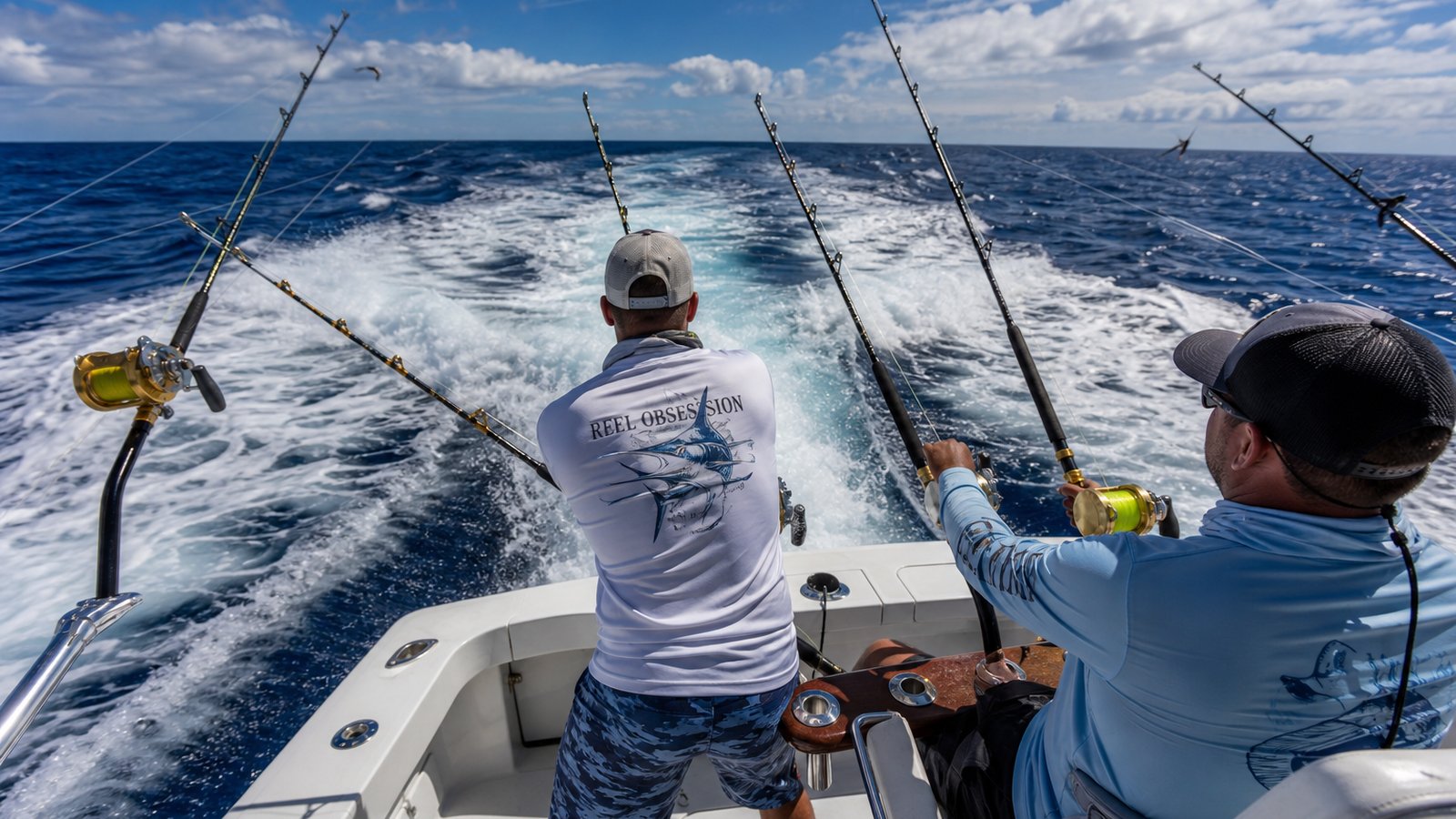
Stepping onto the deck of an offshore vessel for a day of deep sea fishing is one of the most exhilarating pursuits in sport angling. Venturing miles beyond the coastline into open blue water puts you in direct contact with powerful pelagic predators and deep-dwelling groundfish that dwarf anything found in calm inland waters. Whether you are dropping heavy jigs into 300-foot Atlantic trenches for cod and haddock, trolling high-speed spreads for tuna, or sight-casting to sharks in a chum slick, offshore fishing demands the right tackle, preparation, and respect for the ocean.
The Two Primary Styles of Deep Sea Fishing
Offshore charters generally divide their tactics into two distinct fishing methods based on water depth, bottom structure, and target species:
1. Bottom Fishing and Deep Dropping
Bottom fishing focuses on structure-oriented species that live around submerged banks, rocky pinnacles, artificial reefs, and deep continental drop-offs. Anglers position the boat directly over holding structure and drop weighted terminal tackle straight to the ocean floor.
- Target Species: Atlantic cod, haddock, pollock, halibut, grouper, and snapper.
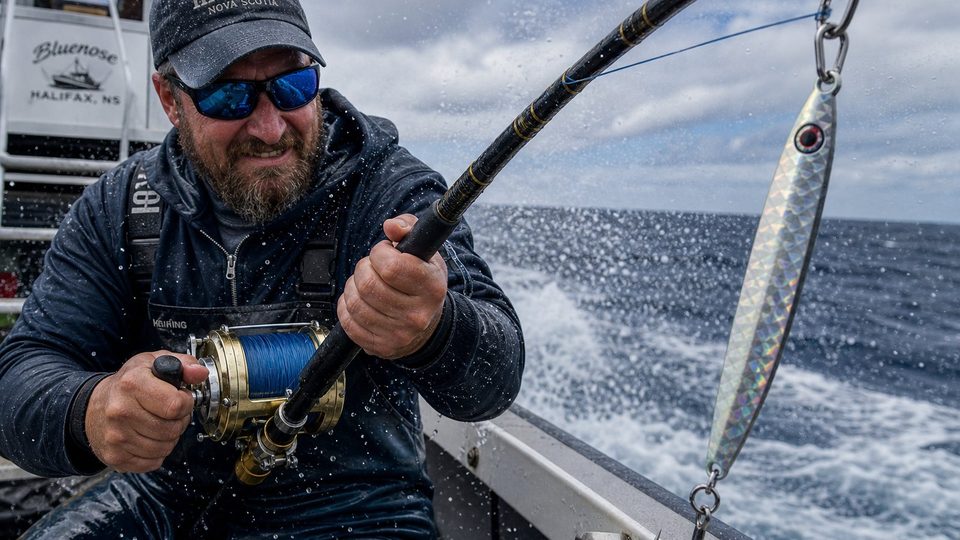
- Techniques: High-low dropper rigs baited with squid or cut bait, paired with 8 to 20 ounce torpedo sinkers to counter heavy tidal currents. Vertical jigging with heavy chrome diamond jigs or curved Norwegian jigs also produces violent strikes from aggressive bottom predators.
- Tackle Requirements: Stout 6-foot boat rods paired with high-capacity conventional reels spooled with 50 to 80 pound braided line. Braided line has near-zero stretch, allowing you to detect subtle bites in 250 feet of water and drive heavy hooks into tough jaws.
2. Offshore Trolling
Trolling targets fast-swimming pelagic species that patrol open ocean currents, temperature breaks, and weedlines. The captain runs the boat at speeds between 5 and 9 knots, pulling an array of lures and natural baits at staggered distances behind the boat.
- Target Species: Bluefin tuna, yellowfin tuna, mahi-mahi, wahoo, king mackerel, and billfish.
- Techniques: Outriggers spread lines wide across the boat's wake, pulling skirted trolling lures, cedar plugs, swimming ballyhoo, and daisy chains. Planer boards and downriggers take baits down beneath the surface to intercept feeding fish.
- Tackle Requirements: Stand-up or fighting chair rods with two-speed lever drag reels (such as 30 to 80 class reels) spooled with heavy monofilament or hollow-core braid, finished with heavy fluorocarbon or single-strand wire leaders.
Essential Gear and Ocean Electronics
Modern offshore fishing relies heavily on specialized marine electronics and heavy-duty tackle built to endure harsh saltwater environments:
- CHIRP Sonar and Down-Scan: High-definition sonar systems send continuous frequency sweeps into deep water, revealing subtle changes in bottom composition (transitioning from soft mud to hard gravel or rock) and displaying tight schools of baitfish.
- Marine Radar: Radar is critical for safety in coastal fog and allows captains to locate flocks of diving seabirds miles away, which pinpoint feeding tuna and bait schools on the surface.
- Terminal Tackle Essentials: Ball-bearing swivels to prevent line twist, heavy crimped fluorocarbon leaders (80 to 150 pound test) to resist abrasion from sharp teeth and rough coral, and forged circle hooks for clean jaw hooksets.
Critical Saltwater Knots and Rigging Connections
In deep water, a knot failure means losing both expensive tackle and the fish of a lifetime. Master these essential connections:
- The FG Knot or PR Bobbin Knot: The ultimate low-profile connection for joining thin braided mainline to heavy fluorocarbon leader. Its slim profile glides effortlessly through small rod guide eyes without catching or fraying during aggressive casts.
- The Palomar Knot: One of the strongest and most reliable knots for tying braided line directly to heavy terminal swivels or jig eyes, maintaining nearly 100 percent of original line strength.
- Heavy Crimping Sleeves: When using leader materials over 100-pound test for sharks or giant tuna, traditional knots bind and slip. Use calibrated hand crimpers and copper or aluminum sleeves with protective chafe tubing to create clean, unbreakable loop connections.
Preparing for the Offshore Environment and Seasickness
The open ocean is an unforgiving environment where conditions can change rapidly. Preparation is the key to staying safe and comfortable:
- Prevent Motion Sickness Early: Take motion sickness medication the evening before and again one hour before departure. Once nausea sets in on the water, oral medication is rarely effective. Stay on deck in the fresh air, drink plenty of water, and keep your gaze fixed on the steady horizon.
- Layered Outerwear: Offshore morning runs are cold, even in mid-summer. Wear moisture-wicking base layers, an insulating fleece mid-layer, and high-quality waterproof bibs and a jacket.
- Footwear: Always wear closed-toe deck boots or boat shoes with non-marking, slip-resistant rubber soles. Wet fiberglass boat decks become slippery quickly when water and fish slime are present.
Proper Fish Fighting Mechanics in Deep Water
Landing heavy ocean fish from deep water requires correct technique rather than raw arm strength:
- The Short-Stroke Pump and Wind: Do not attempt to winch a heavy fish up using reel power alone. Lift the rod tip smoothly from 10 o'clock to 12 o'clock using your legs and core, then wind down quickly as you lower the rod tip back toward the water. This short-pump cadence gains line steadily without stressing the reel gears.
- Using the Rail and Stand-Up Belts: When battling large pelagic fish or heavy bottom sharks, rest the foregrip of the rod on the boat rail or lock the rod butt into a gimbal belt. Using your body weight as a counterweight conserves energy during prolonged fights.
- Listening to the Deckhand at Boat Side: The final moments of the fight are critical. When the fish surfaces, step back and give the deckhand room to grab the leader, position the landing net, or set the release tag safely.
Booking Your Charter with a Verified Captain on Zoop.guide
The difference between a frustrating day on the water and the fishing trip of a lifetime comes down to the captain and crew. Choosing an operator with valid commercial marine insurance, Transport Canada or USCG safety certifications, well-maintained vessels, and top-tier tackle guarantees peace of mind.
When you are ready to experience world-class deep sea fishing, visit Zoop.guide. Browse verified offshore captains, compare trip styles and boat amenities, read genuine angler reviews, and book your offshore adventure directly on Zoop.guide.