What to Expect on a Fishing Charter: The Complete Beginner and Group Guide
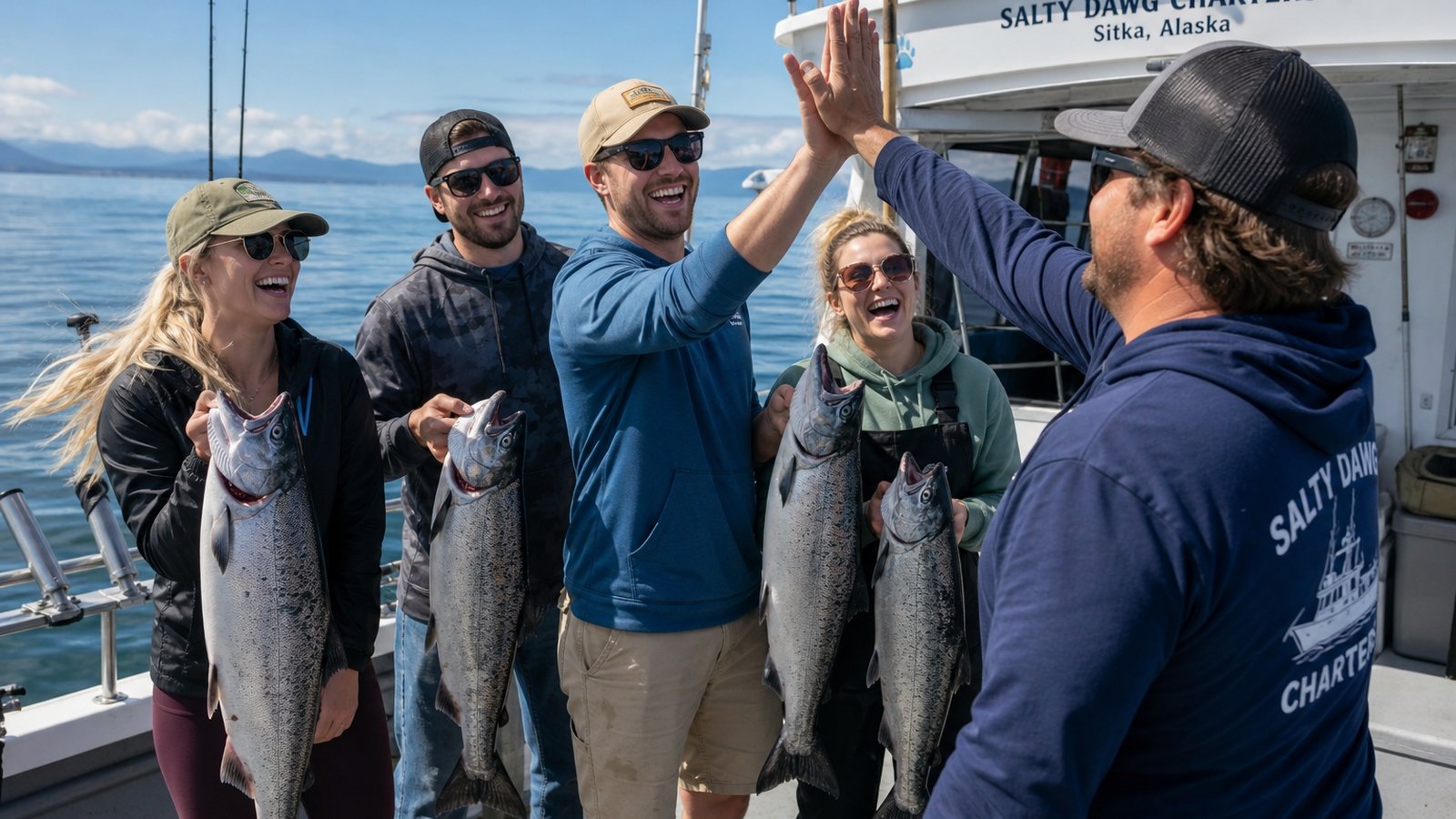
Booking a fishing charter is one of the most exciting ways to experience the water, whether you are chasing freshwater walleye on an inland lake or heading miles offshore for ocean pelagics. For first-timers, stepping onto a commercial vessel can feel unfamiliar. Knowing what to expect on a fishing charter removes uncertainty, ensures everyone stays safe, and allows your party to focus on landing fish and making memories.
Trip Types: Private Charter vs. Shared Party Boat
Understanding the distinction between charter formats helps ensure you book the right experience for your group:
- Private Charters: The entire boat and crew are reserved exclusively for your party (typically 2 to 6 guests). The captain tailors the day to your preferred pacing, target species, and comfort level. Private trips offer dedicated one-on-one instruction and flexibility to adjust plans if weather shifts.
- Shared Party Boats (Head Boats): Larger vessels that take 15 to 40 individual anglers on scheduled group runs. You pay per seat and share deck space along the rail. While less customized, party boats offer an economical entry point for solo anglers and casual bottom-fishing trips.
What Happens on Charter Day: Step by Step
Most guided charters follow a proven operational timeline designed to maximize your time on productive water:
1. Arrival and Morning Dock Briefing
Arrive at the marina 15 to 20 minutes before your scheduled departure. The captain and deckhand will welcome your group, direct you where to stow bags and coolers, and conduct a brief safety walkthrough. Pay close attention: the crew will explain where life jackets are stowed, how to move safely along the deck while the boat is underway, and where the emergency exits and marine heads are located.
2. The Run to the Fishing Grounds
Depending on whether you booked an inshore river float or an offshore ocean trip, the boat run can take anywhere from 15 minutes to over an hour. Use this transit time to drink water, apply sunscreen, and discuss the plan with the crew. The captain will monitor radar and sonar to position the boat over active structure.
3. The Fishing Action and Crew Roles
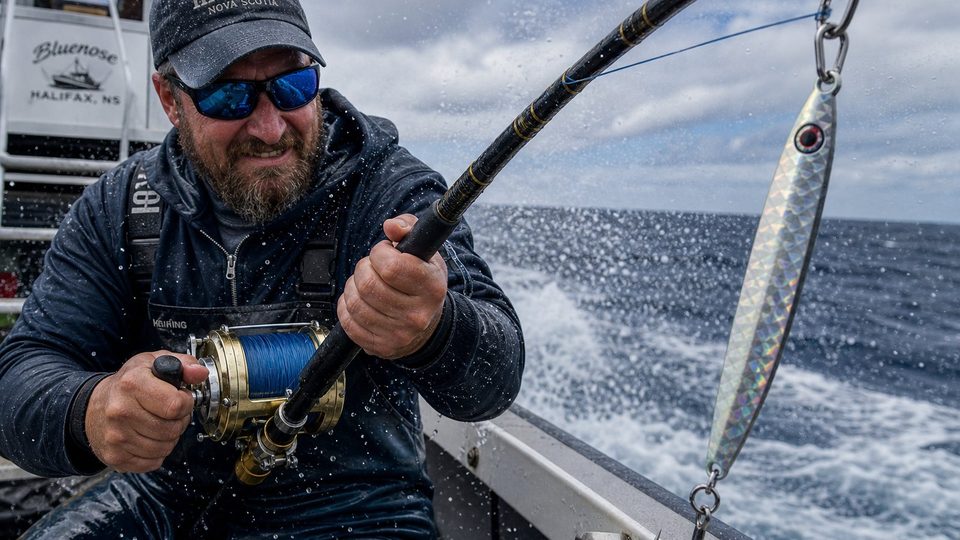
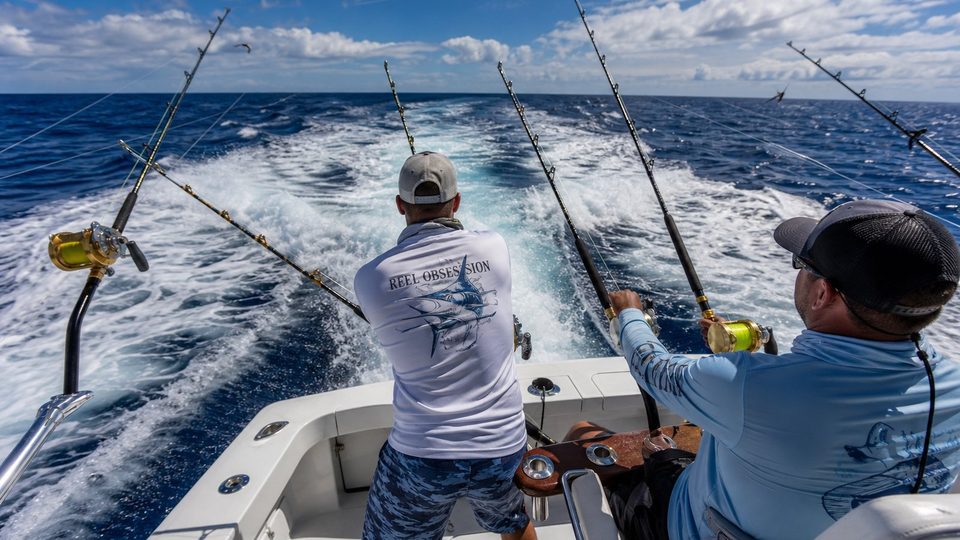
Once on the grounds, the crew handles the complex rigging: setting downriggers, baiting hooks, laying out trolling spreads, or tying specialized drift rigs. On a professional fishing charter, the deckhand acts as coach, bait tender, and net handler. They will hand you the rod when a strike occurs or guide you through proper jigging cadence. Listen to their coaching during the fight: keeping your rod tip up and maintaining smooth reel pressure lands more fish than brute force.
4. Catch Care and Dockside Filleting
At the conclusion of the trip, the vessel returns to the marina. If your charter targeted harvestable table fish, the deckhand will cleanly fillet, skin, and bag your catch on the dock cleaning station. Bring a hard cooler with crushed ice in your vehicle so you can transfer your fresh fillets immediately for the drive home.
What to Bring and What to Leave at Home
Packing properly keeps you comfortable in changing weather:
- What to Bring: Valid regional fishing licenses, polarized sunglasses, broad-spectrum sunscreen (lotion only), non-marking boat shoes or rubber deck boots, layered outerwear with a reliable waterproof rain jacket, personal snacks, and plenty of drinking water.
- What to Leave Behind: Aerosol spray sunscreen (overspray makes fiberglass boat decks slick as ice and stains upholstery), dark-soled work boots that mark white gelcoat, and illegal substances. Check with your captain regarding boat rules on canned beer or alcohol.
Tipping Guidelines and Charter Etiquette
Deckhands work hard before, during, and after your trip: rigging rods before dawn, baiting hooks, untangling lines, and cleaning fish at the dock. In North America, tipping the crew is standard industry practice:
- Standard Gratuity: A tip of 15% to 20% of the total charter cost is customary for attentive, professional service. On boats with a dedicated mate, hand the tip directly to the mate or ask the captain how gratuities are shared.
- Positive Attitude: Wild fisheries are dynamic. Even the top captains cannot control sudden barometric crashes or ocean swells. Tip based on the crew's effort, professionalism, and safety standards, rather than the total weight of fish caught.
Taking Kids on Their First Fishing Charter
A family fishing charter can spark a lifelong love for the outdoors when planned thoughtfully:
- Book Inshore Trips: Choose a 3 to 4 hour half-day inshore trip rather than an 8-hour offshore run. Inshore waters are calmer, run times are short, and fast-action species like mackerel, yellow perch, or small groundfish keep young anglers engaged without fatigue.
- Proper Children PFDs: While commercial boats carry certified safety gear, bringing a properly fitted, comfortable personal life jacket for your child ensures they can move freely on deck without uncomfortable chafing.
- Bring Plenty of Snacks: Pack high-energy treats, juice boxes, and simple games for downtime while cruising between spots. Celebrate every fish landed, regardless of size.
Communication with the Captain During the Charter
Open communication with your captain ensures a smooth, comfortable outing for everyone on board:
- Speak Up About Discomfort: If you or someone in your group starts feeling queasy, cold, or needs a restroom break, tell the captain right away. Captains can turn the boat downwind to reduce rolling, find calmer sheltered coves, or head inside the cabin.
- Ask Questions About Techniques: Professional guides love sharing their knowledge. Ask about why a certain lure was chosen, how the sonar reads bottom hardness, or how water currents dictate fish holding zones. A good charter is both an adventure and a practical learning experience.
- Weather Decisions: Experienced captains hold final authority on whether weather conditions are safe to navigate. If a captain suggests cutting a trip short or staying inshore due to developing fog or rising ocean swells, respect their judgment: passenger safety is always the highest priority on the water.
Choosing a Verified Captain on Zoop.guide
The key to a fantastic charter experience is booking with a licensed, insured captain who maintains modern safety equipment and clean vessels.
When you are ready to book your next fishing charter, browse verified listings on Zoop.guide. Read verified customer reviews, review vessel specs and onboard amenities, and book directly with vetted local captains on Zoop.guide.