Salmon Fishing: The Complete Angler Guide to Species, Seasons, and Tactics
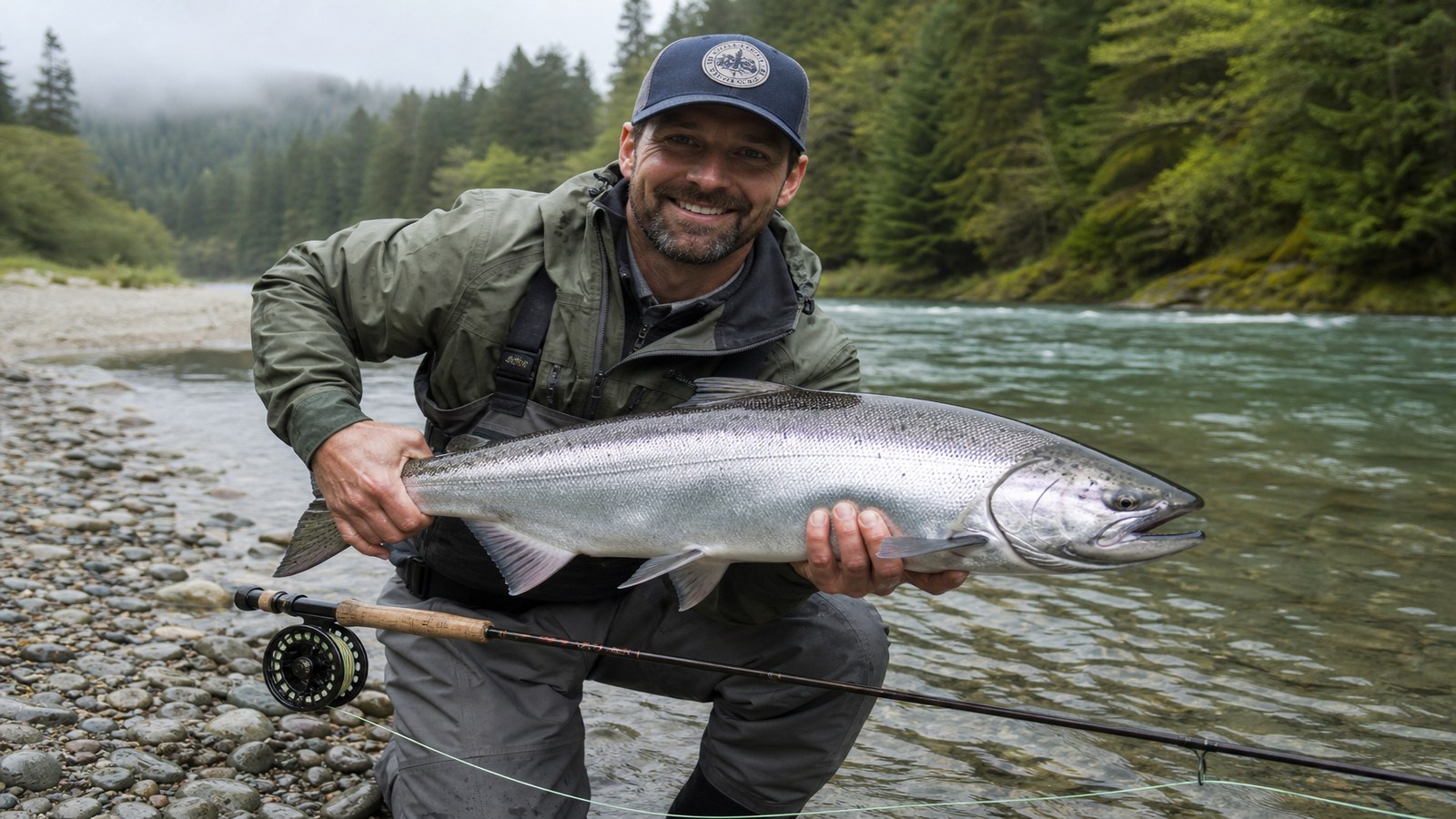
Few angling pursuits match the raw adrenaline and tradition of salmon fishing. From the mist-shrouded coastal fjords of British Columbia and Alaska to the mighty tributary rivers flowing into the Great Lakes and the historic Atlantic salmon pools of Eastern Canada, salmon represent the pinnacle of cold-water sport fishing. Anglers prepare months in advance for seasonal runs, tracking ocean currents, water levels, and temperature breaks to intercept these powerful gamefish as they transition between saltwater feeding grounds and freshwater spawning gravel.
Understanding Salmon Fishing Species and Behaviors
Planning a successful trip starts with knowing which salmon species you are targeting and their distinct biological habits:
1. Chinook Salmon (King Salmon)
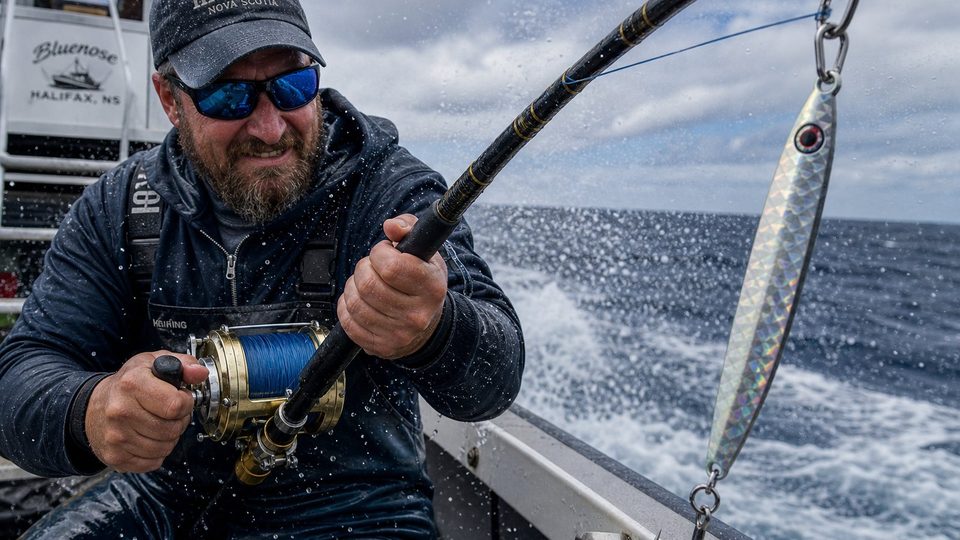
The undisputed heavyweight of the salmon family, Chinook salmon earn their king title through brute power and blistering ocean runs. Renowned for stripping hundreds of yards of braided line off heavy conventional reels, Chinook regularly exceed 30 pounds, with legendary British Columbia specimens topping the magical 50-pound Tyee mark. They run deep in ocean channels, hugging underwater pinnacles and bait balls, and demand heavy rods with high line capacities.
2. Coho Salmon (Silver Salmon)
Coho are famous for their acrobatic aerial displays, aggressive surface takes, and lightning-fast speed. Trolling flasher and hoochie spreads near current rips or casting heavy spinners along shoreline kelp beds triggers violent strikes from coho schooling in topwater layers. In rivers, coho respond aggressively to twitching jigs, weighted streamers, and vibrant inline spinners.
3. Sockeye Salmon (Red Salmon)
Prized globally for their deep red fillets and high fat content, sockeye make epic upstream migrations in massive runs. They feed primarily on plankton in the ocean, making them challenging to entice with standard lures in saltwater. In river currents, anglers target sockeye using specialized bottom-bouncing drift setups or sparse flies drifted through narrow current seams where migrating pods hug riverbanks.
4. Pink and Chum Salmon
Pink salmon return in massive numbers on odd-numbered years across southern British Columbia, providing fast action on light tackle for beginners and fly anglers. Chum salmon, also known as dog salmon, are known for sheer pulling power in lower river sections, taking swung purple or chartreuse flies and heavy marabou jigs.
5. Atlantic Salmon
Native to North Atlantic coastal rivers, Atlantic salmon differ fundamentally from Pacific species because they do not inevitably die after spawning. Anglers target them almost exclusively with fly tackle, swinging classic wet flies or skating deer-hair bombers across pristine clear pools in Nova Scotia, New Brunswick, and Quebec.
Core Environments for Salmon Fishing
Salmon inhabit vastly different waterways across their lifecycle, requiring specialized approaches depending on the setting:
Open Ocean and Coastal Saltwater
Saltwater trolling accounts for the majority of coastal sport-caught salmon. Charter vessels run electric downriggers to place flashers, cut-plug herring, spoons, and squid imitations precisely at target depths along tidal contours, kelp fringes, and underwater gravel banks. Matching trolling speed to tidal currents (typically between 2.0 and 3.0 knots) creates the erratic roll that triggers reaction strikes from ocean-feeding salmon.
Tidewater and River Estuaries
As salmon gather near the mouths of their natal rivers, they stage in brackish tidewater pools waiting for autumn rains and cooler water temperatures to signal their upstream push. Casting spoons, heavy spinners, and bobber-dogging cured salmon roe during incoming tide cycles produces fast action on fresh, ocean-bright fish.
Fast-Flowing Freshwater Rivers
Once salmon enter freshwater rivers, their digestive systems shut down and their strikes become territorial and instinctual. Anglers wade gravel bars or fish from drift boats, deploying float rigs with yarn or roe, swinging weighted streamer flies through deep holding pockets, or running deep-diving crankbaits that provoke territorial aggression.
Essential Gear and Terminal Tackle for Salmon Fishing
Because salmon test every knot and component, quality tackle is mandatory across all styles of salmon fishing:
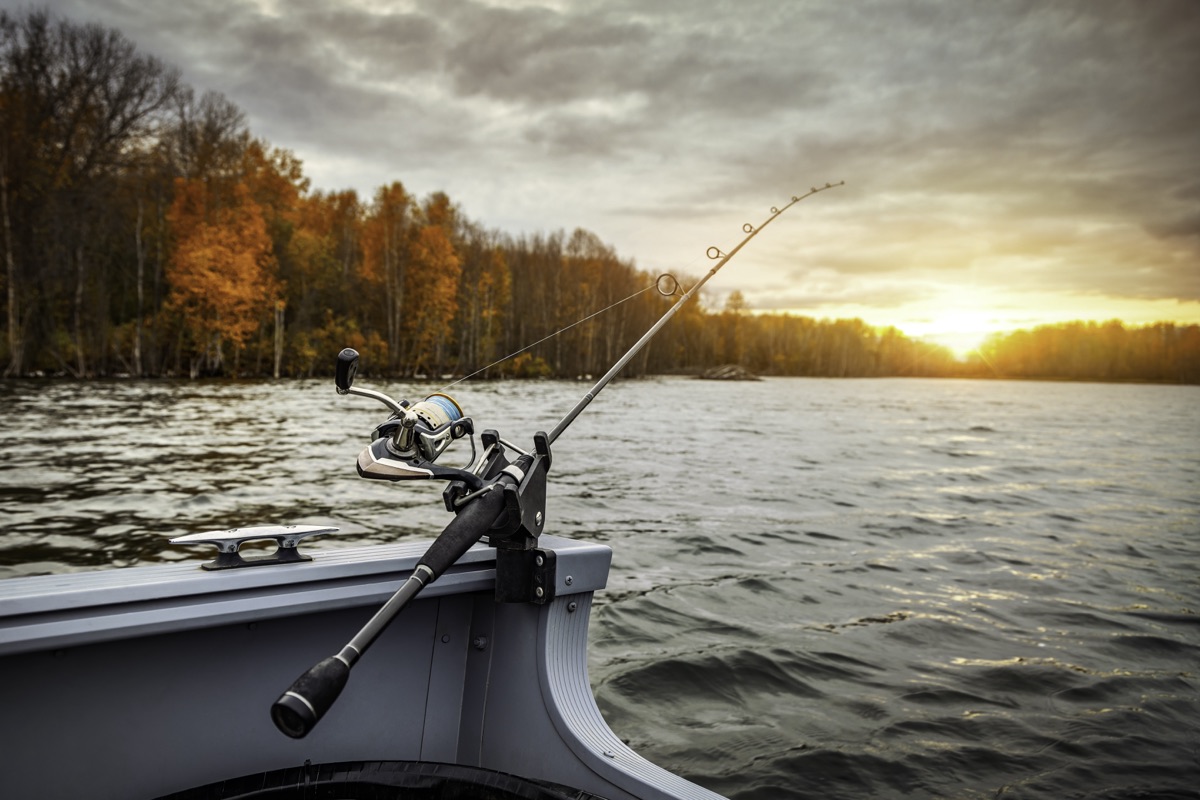
- Downrigger Trolling Rods: 8-foot-6 to 10-foot-6 medium-heavy rods paired with level-wind conventional reels or centerpin mooching reels spooled with 30-pound to 50-pound braided mainline.
- River Float Fishing Setups: Long 10-foot to 13-foot spinning or centerpin rods designed to keep line off erratic river currents, allowing long, natural drifts with balsa floats and fluorocarbon leaders.
- Fly Fishing Outfits: 8-weight to 10-weight single-hand rods or 13-foot two-handed Spey rods paired with Skagit heads and sink tips for casting heavy intruder flies in big river flows.
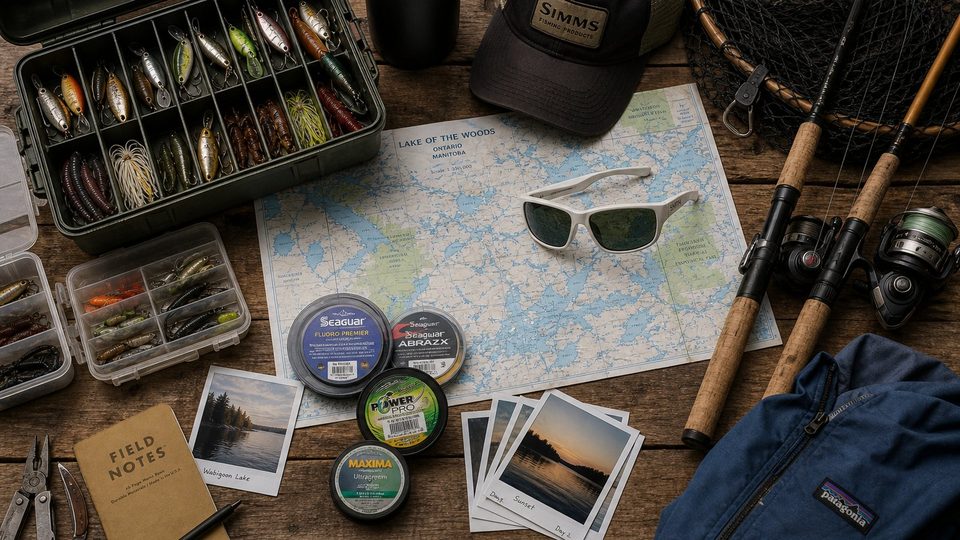
- Proven Lures: Silver Horde spoons, Coyote spoons, Gibbs Delta flashers, Apex trolling lures, Blue Fox Vibrax spinners, and Luhr Jensen Kwikfish crankbaits.
Reading Water and Locating Holding Pools
Finding active salmon in freshwater requires reading the river correctly. Salmon do not hold randomly in swift water; they concentrate where current breaks provide rest:
- Tail-Outs of Deep Pools: Traveling pods slow down in the gentle transition zone where a deep pool begins to shallow out into rapids. This water provides excellent sightlines for drifted bait.
- Current Seams: The distinct line between fast main-channel current and slow backwater lets salmon travel upstream while expending minimal energy.
- Boulders and Structure Breaks: Large submerged rocks create soft cushions of water directly in front and behind them, offering prime staging pockets.
Why Book a Professional Guide for Salmon Fishing?
Salmon runs are dynamic, with peak migration windows shifting by days based on river flows, barometric pressure, and commercial net openings. A licensed local guide or charter captain possesses real-time knowledge of where migrating pods are holding and operates seaworthy vessels equipped with modern radar, sonar, and commercial safety gear.
Pacific and Atlantic salmon behave like different fish entirely. Castaway matches you with a guide who fishes the species and coast you are visiting.