The Salmon Run: Understanding Peak Migration Windows, River Tactics, and Ethics
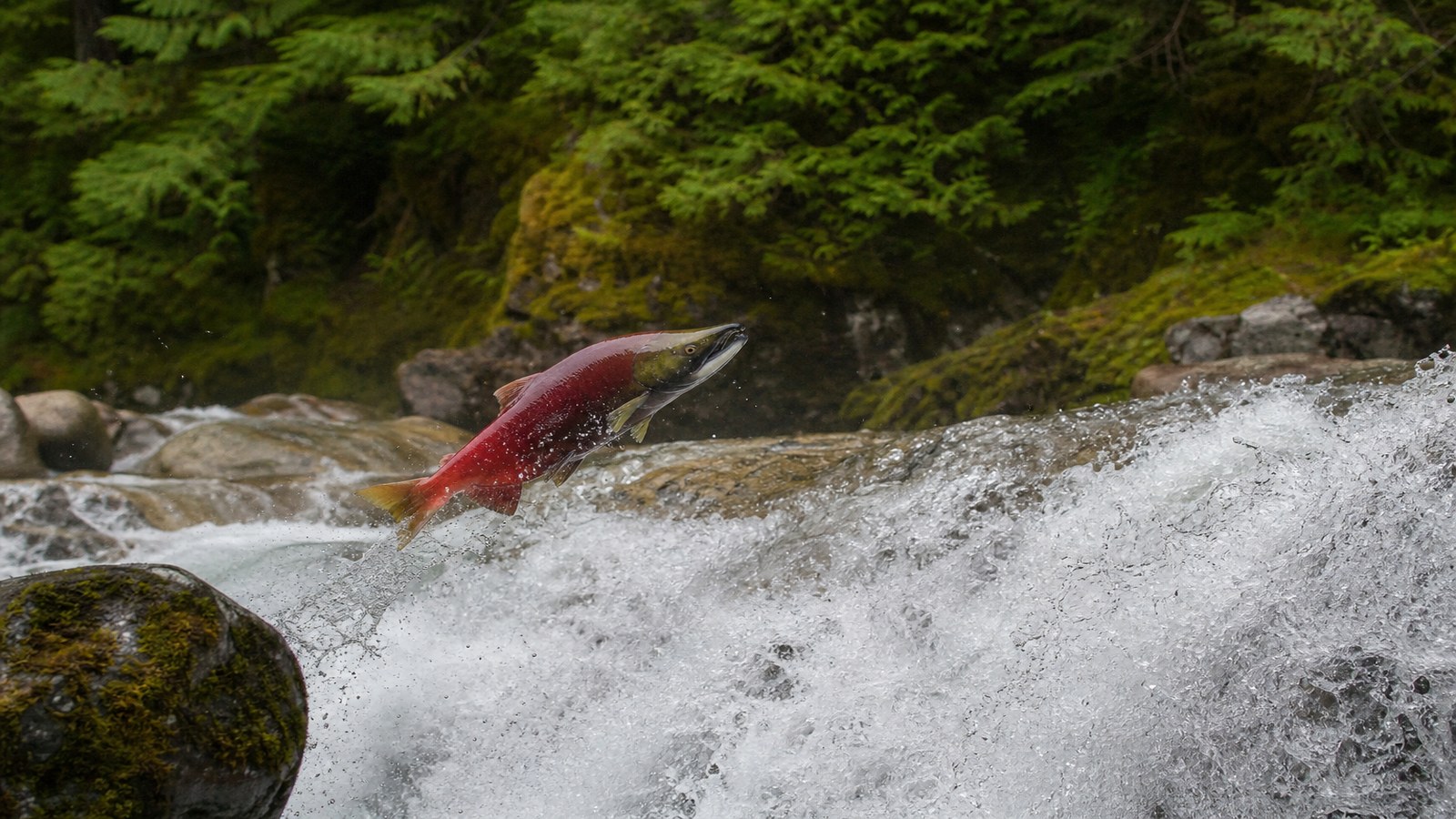
Every autumn, one of nature's greatest migrations unfolds across coastal watersheds and Great Lakes tributaries as the annual salmon run begins. Millions of mature salmon leave the open expanse of oceans and inland seas, driven by an instinctual urge to return to the precise freshwater gravel beds where they hatched. For sport anglers, intercepting these massive, powerful fish in rivers and shallow gravel runs provides some of the most heart-stopping action found in freshwater angling.
Key Stages of the Annual Salmon Run
Migrating salmon move in predictable phases as they transition from open feeding grounds into freshwater streams:
1. Staging in River Mouths and Harbors
Before entering river currents, pods of salmon gather in estuaries, harbor mouths, and coastal bays. They adjust their internal chemistry from saltwater to freshwater while waiting for environmental cues to travel upstream. Heavy autumn rains, falling barometric pressure, and water temperatures dropping below 60 degrees Fahrenheit trigger massive surges into river mouths.
2. The Upstream Surge
During the primary migration, pods of salmon navigate rapid currents, waterfalls, and shallow riffles. They travel primarily under the cover of darkness, overcast skies, or muddy river flows, resting during bright daylight in deep pools, under cut banks, and behind boulders.
3. Spawning on Shallow Riffles
Upon reaching their natal spawning grounds, female salmon use their tails to dig depressions in clean gravel, called redds. Male salmon compete vigorously for position. Anglers should exercise strict conservation ethics by never targeting actively spawning fish on shallow redds, focusing instead on deeper holding pools downstream where fish are fresh.
Reading River Structure During the Salmon Run
Finding fish during a run requires understanding where traveling salmon pause to rest along their exhausting upstream journey:
- Tail-Outs of Deep Pools: As migrating salmon exit deep resting holes to enter the next set of rapids, they pause in the shallow tail-out of the pool. These transition points offer excellent visibility for swung flies and drifted presentations.
- Current Seams and Foam Lines: Fighting heavy river flow consumes vast energy reserves. Salmon cruise along current seams where fast water borders slow water, gaining upstream ground with minimal effort.
- Deep Cut Banks and Overhanging Timber: On bright, sunny days, salmon seek shaded cover along steep banks, log jams, and bridge abutments.
- River Confluences: Where cold mountain tributaries enter main river channels, migrating salmon often stage in the cooler thermal plume before pushing further upstream.
Proven Techniques for the Salmon Run
Because salmon stop feeding once settled in freshwater, triggering strikes relies on provoking reflex reactions and territorial defense:
Float Fishing and Centerpin Drifts
Suspending cured salmon roe skeins, artificial bead imitations, or weighted marabou jigs beneath a sensitive balsa float is the most popular river presentation. The goal is achieving a drag-free drift that keeps your bait suspended inches above the riverbed at the exact speed of the current. Centerpin reels provide frictionless line release, ensuring perfect drifts through deep holding water.
Bottom Bouncing and Drift Fishing
In swift currents, bottom bouncing with pencil lead or slinky weights allows anglers to roll yarn flies, roe bags, or small corkies right through rocky troughs where salmon hold tight to the bottom.
Swinging Flies and Hardware
Fly anglers use heavy sink-tip lines and two-handed Spey rods to swing weighted intruder flies across deep pools. Conventional anglers cast heavy inline spinners or deep-diving crankbaits that wobble aggressively in front of holding fish, provoking violent territorial snaps.
Reading River Flow and Water Clarity
River levels dictate how salmon behave and how you should fish:
- High, Stained Water After Rain: Salmon travel aggressively along shallow river edges to avoid heavy main-channel current. Use bright fluorescent orange, pink, or chartreuse lures and large baits that create heavy vibration and contrast.
- Low, Clear Water in Dry Spells: Fish become cautious and stack tightly in deep dark pools. Downsize your leader to 8-pound fluorocarbon, switch to natural peach or muted roe colors, and make quiet casts from downstream.
Respecting Crowds, Private Land, and Fish Handling
The annual salmon run draws heavy angling traffic to accessible public riverbanks. Observing basic stream etiquette preserves the fishery for everyone:
- Give Other Anglers Space: Never crowd an angler already working a pool. Step in downstream or wait until a pool opens up.
- Respect Private Property: Stay within the ordinary high-water mark and access rivers through public parks, conservation areas, and designated road crossings.
- Handle Fish with Care: Use knotless rubber nets, keep fish submerged in the water while unhooking, and avoid dragging fish onto dry gravel or riverbanks.
- Barbless Hooks: Pinch down hook barbs to speed up releases and prevent tearing delicate mouth tissue.
Booking a Guided River Adventure on Castaway
Reading river currents and locating fresh pods during dynamic migration runs takes years of local water experience. Hiring a professional river guide through Castaway provides access to private river launches, jet-boat transportation, and professional coaching on reading water and rigging terminal tackle.
Peak windows, holding pools and the ethics of fishing a spawning run all matter. Find a guide on Castaway who explains their approach before you book.