When Is Salmon Season: Month-by-Month Guide to Coastal and Great Lakes Runs
For anglers planning a dream fishing trip, one central question dictates every detail of booking and gear preparation: when is salmon season? Because salmon inhabit both the Pacific and Atlantic oceans as well as inland Great Lakes systems, the answer depends entirely on geographic location, target species, and whether you want to fish open saltwater, big freshwater lakes, or swift tributary rivers. Aligning your vacation with prime biological migration windows ensures you arrive when fish are active and plentiful.
Understanding When Is Salmon Season by Region and Month
Here is how the salmon season unfolds across major Canadian and Great Lakes fisheries throughout the year:
May to June: Early Season Saltwater and Great Lakes Warm-Up
Spring marks the opening of prime open-water trolling:
- Pacific Saltwater (British Columbia): Feeding Chinook salmon (springs) arrive along outer islands like Haida Gwaii and northern Vancouver Island, gorging on abundant herring balls. Calm early-season weather and uncrowded waters provide exceptional mooching and trolling.
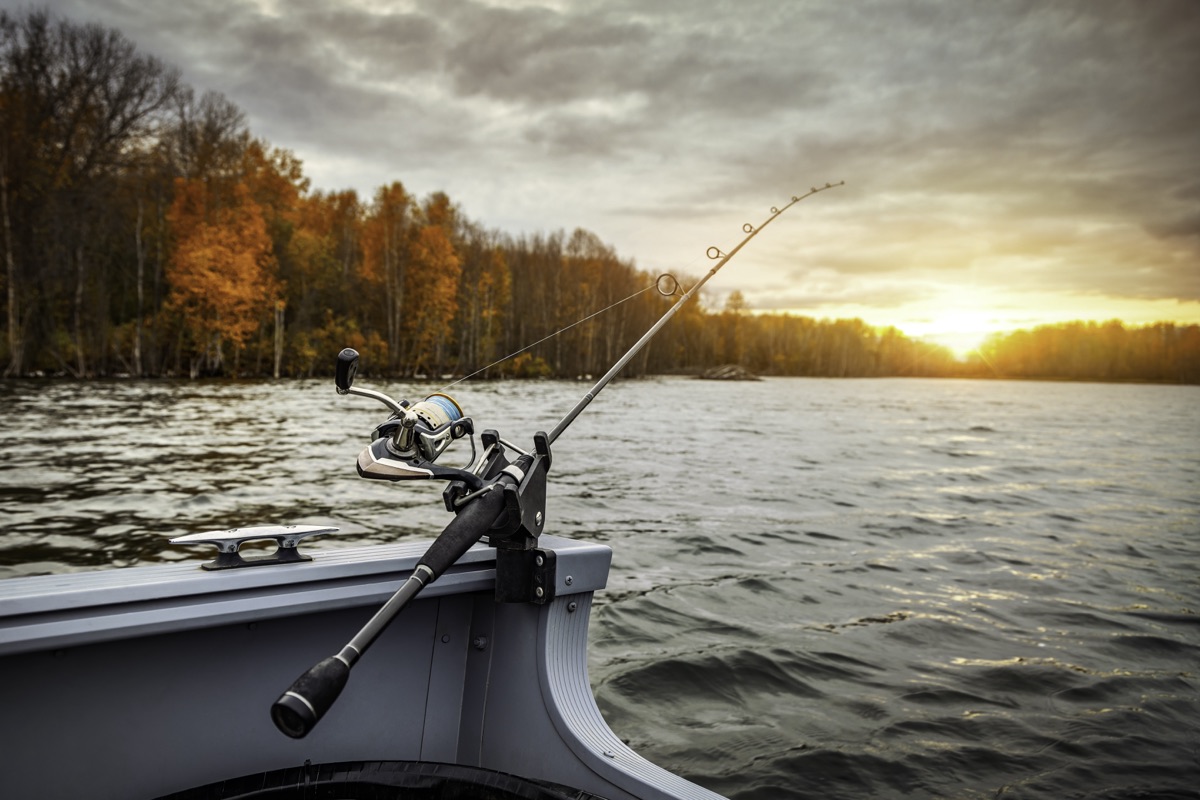
- Lake Ontario and Lake Huron: Nearshore waters warm faster than deep basins, creating thermal bars that concentrate alewives and feeding kings within reach of coastal harbors. Anglers enjoy fast spring action trolling shallow crankbaits and spoons.
July to August: Peak Prime Time Everywhere
Mid-summer is universally recognized as the premier window for both species diversity and heavy catches:
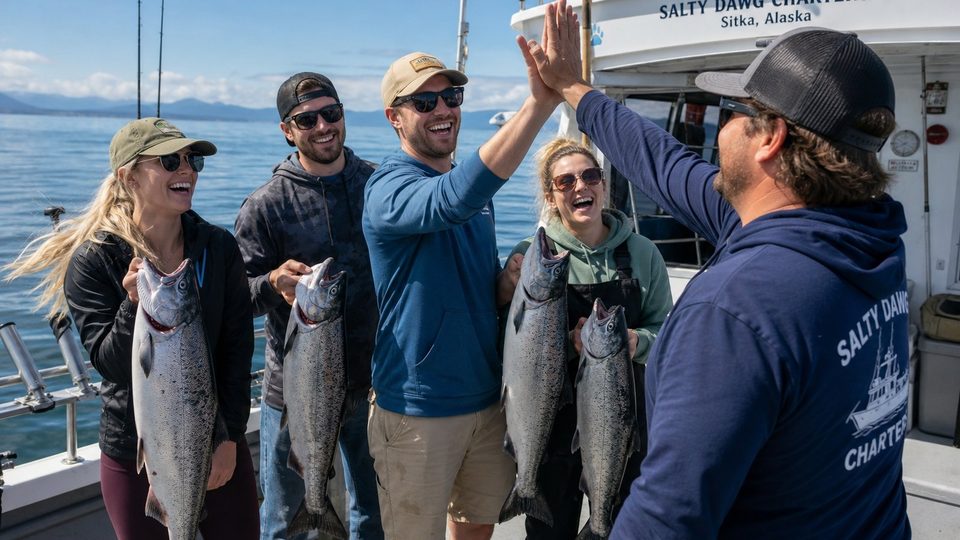
- British Columbia Coast: July and August represent the peak of coastal salmon fishing. Massive runs of Chinook, coho, sockeye, and pink salmon flood into coastal sounds, inlets, and river deltas. Floating lodges in Haida Gwaii and west coast Vancouver Island operate at full capacity.
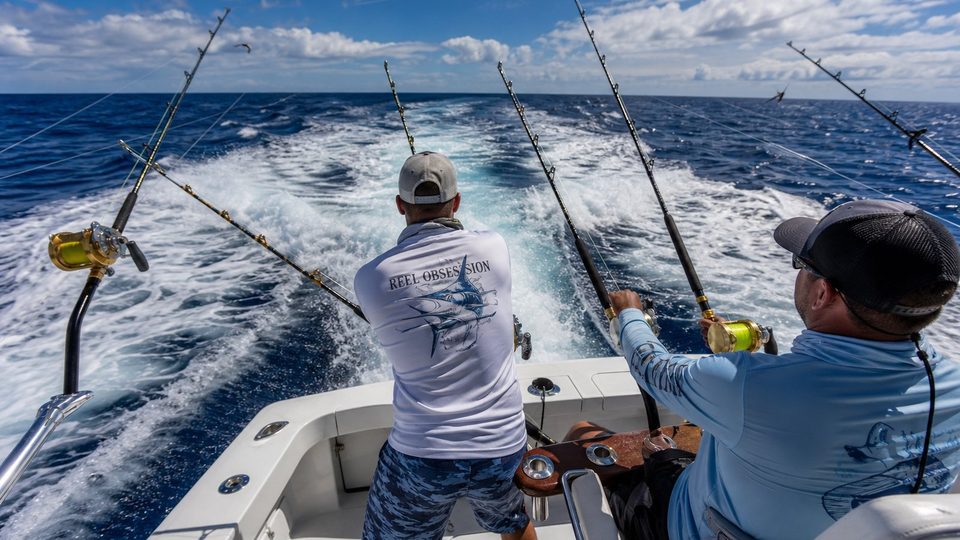
- Great Lakes Offshore Trolling: Lake Ontario and Georgian Bay charters find king salmon stacked tightly in the 48-degree thermocline between 50 and 100 feet down. Trolling flashers, flies, and cut-bait rigs produces heavy tournament catches.
September to October: The Explosive River Run Window
Autumn brings the dramatic transition from open water to freshwater river current:
- Great Lakes Tributaries: Millions of mature Chinook and coho salmon charge into urban and rural rivers across Ontario and the northern United States. Rivers like the Credit, Ganaraska, and Saugeen see thrilling action for float fishermen and fly anglers.
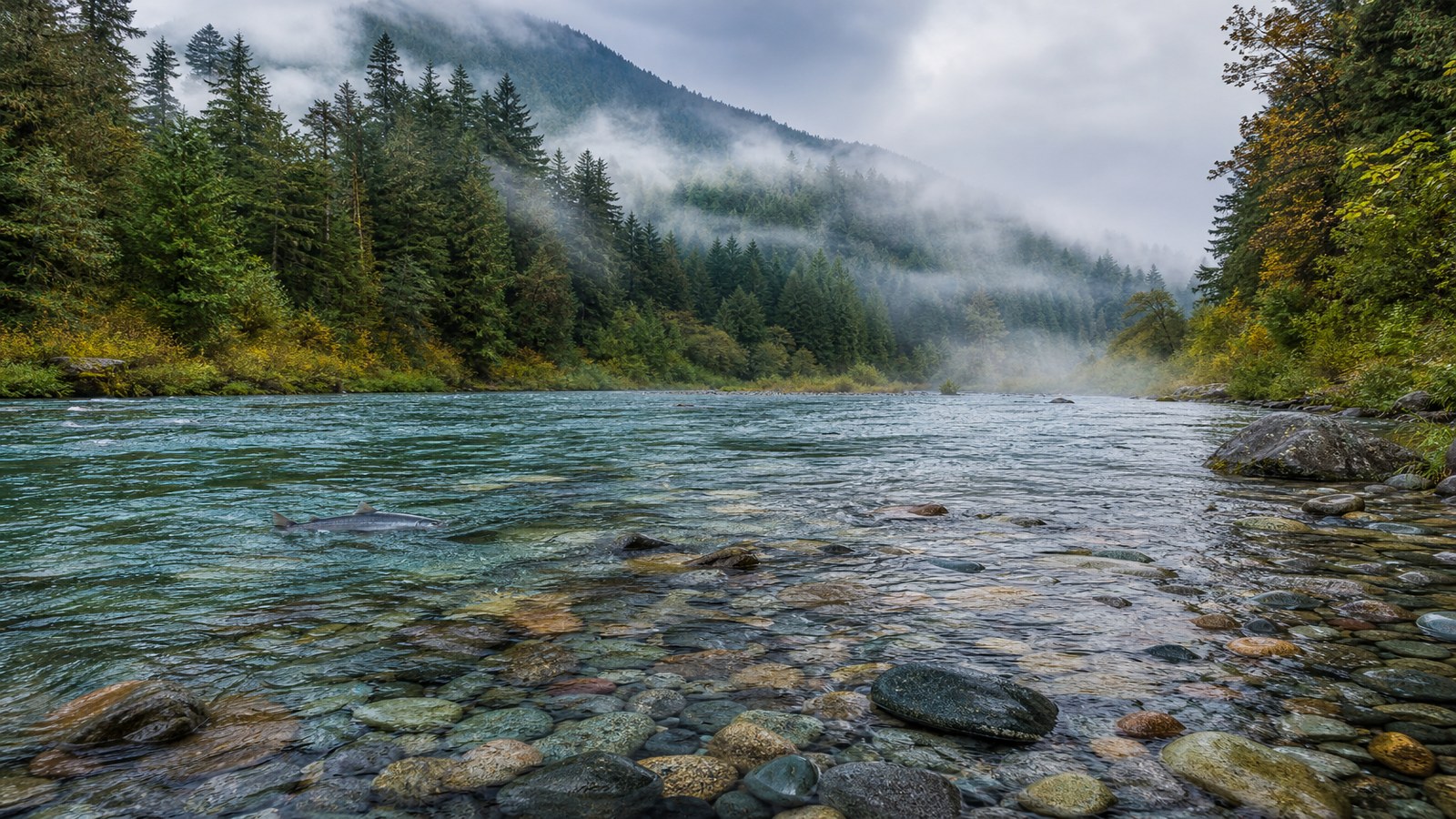
- Pacific River Systems: The Fraser, Skeena, Stamp, and Campbell rivers fill with migrating pods of salmon. Anglers target coho and chum salmon on fly rods and float tackle amidst stunning autumn scenery.
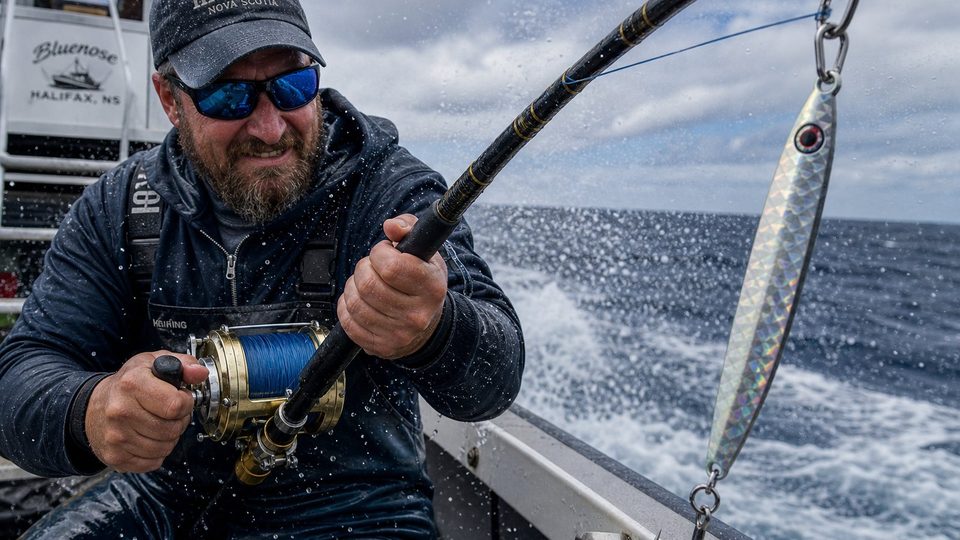
- Atlantic Canada: October is the premier month on scheduled Atlantic salmon rivers like Nova Scotia's Margaree, where large multi-sea-winter salmon return to spawn in clear gravel pools.
November to April: Winter Feeder Salmon and Steelhead
While river runs conclude by late autumn, cold-water opportunities continue:
- Winter Chinook (Feeder Springs): In sheltered inside waters of southern British Columbia (like Howe Sound and the Gulf Islands), juvenile feeding Chinook roam deep bait balls all winter, offering crisp, calm winter days on the water.
- Great Lakes Winter Steelhead: Migratory rainbow trout (steelhead) enter rivers behind the fall salmon run, feeding on drifting salmon roe and wintering in deep river pools until spring.
Environmental Triggers That Dictate Run Timing
Beyond the calendar date, seasonal runs are triggered by local environmental cues:
- Water Temperature: Salmon refuse to enter rivers until water temperatures drop below 65 degrees Fahrenheit, preferring temperatures between 50 and 58 degrees for active upstream movement.
- Rainfall and River Levels: Heavy autumn rainstorms raise river levels and wash scent plumes into coastal bays, prompting staging salmon to push upstream over shallow riffles.
- Tidal Cycles: On coastal waters, large spring flood tides provide migrating pods with the current boost needed to clear river mouths and coastal rapids.
Weather Patterns and Run Timing Predictions
Tracking long-range meteorological patterns helps anglers time their trip with peak river migrations. An unseasonably warm September can delay salmon runs by several weeks, keeping fish staging in deep offshore lake and ocean basins. Conversely, an early cold snap accompanied by heavy barometric drops and steady rain pushes mature salmon into rivers in sudden, intense waves. Checking local river gauges and guide reports ensures you hit optimal water conditions.
Tackle Preparation and Seasonal Checklist
Aligning your tackle with the specific season ensures you arrive fully prepared for the conditions on the water:
- Spring Open-Water Gear: Pack light trolling rods, shallow-running minnow plugs, and thin flutter spoons designed for nearshore baitfish chases.
- Summer Deep-Water Spread: Inspect downrigger releases, spool fresh braided wire on directional divers, and stock heavy flashers and trolling flies for deep thermocline action.
- Autumn River Outfits: Prepare heavy centerpin or float rods, premium balsa floats, and fluorocarbon leaders, along with breathable chest waders and studded wading boots for cold river currents.
Booking Ahead for Peak Dates on Zoop Guide
Because peak salmon seasons represent narrow four-to-six-week biological windows, top-rated charter boats and wilderness fishing lodges often book out six to twelve months in advance. Securing your dates early ensures you get prime weeks with experienced local captains.
Now that you know when is salmon season across Canada, search verified guides and charter boats on Zoop.guide. Compare real-time availability, inspect customer testimonials, and book your dream salmon adventure directly on Zoop.guide today.